1-475-777-6912
Tulip Medspa and Weight Loss, CT 06488
aisha@theweightdr.com
Tulip Medspa and Weight Loss
  • Home
  • About us
  • Contact us
  • Services
  • Consultation Fee
  • FAQs
Location
Working Time
Working Time
Mon-Thu 08:00 AM – 05:00 PM
Friday  08:00 AM – 04:00 PM
Saturday 09:00 AM – 1:00 PM
Sunday 09:00 AM – 1:00 PM
Book Appointment
Book Appointment

    Quick Pricing
    Quick Pricing
    One Hour Initial Video  Consultation On Call
    For follow-up Consultation On Call


    Emergency Case
    Emergency Case

    Emergency Case

    In  emergency, please call 911 or go to nearest emergency room.

    If you are our current patient and have an urgent question outside of the normal business hours, you may reach me at the given number

    • 1-475-777-6912
    • aisha@theweightdr.com
    Our Contact
    +
    HomeBlog Posts
    27Feb

    How to Calculate Macros for Weight Loss

    by Aisha Khan

    When it comes to achieving weight loss goals, understanding the role of macronutrients is essential. Macronutrients, often referred to as macros, include carbohydrates, proteins, and fats, and they provide the body with energy and support vital functions. Calculating macros for weight loss involves determining the optimal ratio of these nutrients to support fat loss while preserving muscle mass and overall health. Here’s how you can calculate macros effectively for your weight loss journey:

    Determine Your Total Daily Energy Expenditure (TDEE)

    this picture is related with the Determine Your Total Daily Energy Expenditure (TDEE)


    Before calculating macros, it’s crucial to understand your Total Daily Energy Expenditure (TDEE). TDEE represents the total number of calories your body burns in a day, taking into account your basal metabolic rate (BMR) and physical activity level.

    You can estimate your TDEE using online calculators that consider factors such as age, gender, weight, height, and activity level. Once you have your TDEE, you’ll have a baseline for calorie intake.

    Must read this post: How to Start Your Weight Loss Journey

    Set Your Calorie Deficit


    Weight loss occurs when you consume fewer calories than your body expends. A safe and sustainable rate of weight loss is typically 0.5 to 1 kg (1 to 2 pounds) per week. To achieve this, create a calorie deficit by consuming fewer calories than your TDEE.

    Aim for a moderate calorie deficit of 500 to 750 calories per day, which can be achieved through a combination of diet and exercise. This deficit encourages the body to burn stored fat for energy while minimizing muscle loss.

    Determine Your Macronutrient Ratios

    a women eating macro nutrients


    Once you have established your calorie deficit, you can determine the optimal macronutrient ratios for your weight loss goals. While individual needs vary, a balanced macronutrient distribution generally includes:

    Protein

    Protein is essential for preserving lean muscle mass, promoting satiety, and supporting metabolic function. Aim to consume 0.8 to 1.2 grams of protein per pound of body weight daily.

    Carbohydrates

    Carbohydrates provide energy for physical activity and brain function. While there’s no one-size-fits-all recommendation, aim to allocate 45% to 65% of your total daily calories to carbohydrates, focusing on complex carbohydrates from whole grains, fruits, and vegetables.

    Fats

    Healthy fats play a crucial role in hormone production, nutrient absorption, and cell structure. Allocate 20% to 35% of your total daily calories to fats, prioritizing sources such as avocados, nuts, seeds, and olive oil.

    Must read this post: How to Calculate Macros for Weight Loss and Muscle Gain

    Calculate Macronutrient Intake


    To calculate your daily macronutrient intake, convert your calorie targets for each macronutrient based on their respective calorie densities:

    Protein: 1 gram of protein = 4 calories
    Carbohydrates: 1 gram of carbohydrates = 4 calories
    Fats: 1 gram of fat = 9 calories
    Multiply your protein and carbohydrate targets by their respective calorie per gram values, and then divide your fat target by 9 to determine the grams of fat needed.

    Monitor and Adjust

    in this picture a women checking his weight


    Consistency and monitoring are key to success when it comes to calculating macros for weight loss. Keep track of your food intake using a food diary or mobile app to ensure you’re meeting your macro targets while staying within your calorie deficit.

    Periodically reassess your progress and adjust your macro ratios as needed based on changes in weight, energy levels, and performance. Be patient and allow your body time to adapt to your new eating habits and exercise routine.

    Conclusion

    calculating macros for weight loss involves understanding your TDEE, creating a calorie deficit, determining optimal macronutrient ratios, and monitoring your progress. By focusing on a balanced diet that prioritizes protein, carbohydrates, and fats, you can support your weight loss goals while maintaining overall health and well-being. Remember, sustainable weight loss is a journey that requires patience, consistency, and a commitment to healthy habits.

    26Feb

    How to Start Your Weight Loss Journey

    by Aisha Khan

    Embarking on a weight loss journey can be both exciting and challenging. Whether motivated by health concerns, aesthetic goals, or simply a desire for increased vitality, taking the first steps towards meaningful change requires commitment, planning, and a positive mindset. Here’s a guide to help you Start Your Weight Loss Journey and achieve sustainable results:

    Set Realistic Goals


    Define clear, realistic, and achievable goals that align with your overall vision for health and well-being. Break down your goals into smaller, measurable milestones to track progress and stay motivated along the way.

    Cultivate a Positive Mindset

    this picture is related with the Cultivate a Positive Mindset


    Approach your weight loss journey with a mindset of self-compassion and positivity. Embrace setbacks as learning opportunities rather than reasons for discouragement. Celebrate your successes, no matter how small, and focus on the positive changes you’re making.

    Educate Yourself


    Take the time to educate yourself about nutrition, exercise, and healthy lifestyle habits. Understand the principles of calorie balance, macronutrients, portion control, and the importance of incorporating physical activity into your daily routine.

    Make Small, Sustainable Changes

    this picture us about the Make Small, Sustainable Changes


    Instead of attempting drastic changes overnight, focus on making small, sustainable adjustments to your diet and lifestyle. Start by incorporating more whole foods, fruits, vegetables, lean proteins, and healthy fats into your meals. Gradually reduce the intake of processed foods, sugary beverages, and unhealthy snacks.

    Must read this post : How to Calculate Macros for Weight Loss and Muscle Gain

    Keep a Food Journal


    Keep track of your food intake and eating habits by maintaining a food journal or using a mobile app. Recording what you eat can help raise awareness of your eating patterns, identify areas for improvement, and make more informed food choices.

    Stay Hydrated

    a women drinking water in this pic


    Drink an adequate amount of water throughout the day to stay hydrated and support optimal bodily functions. Sometimes thirst can be mistaken for hunger, so staying hydrated may help reduce unnecessary snacking and overeating. and its also good for Start Your Weight Loss Journey

    Prioritize Physical Activity


    Find enjoyable forms of physical activity that you can incorporate into your daily routine. Whether it’s walking, jogging, swimming, cycling, yoga, or strength training, aim for at least 150 minutes of moderate-intensity aerobic activity or 75 minutes of vigorous-intensity activity per week, as recommended by health guidelines.

    Get Adequate Sleep


    Prioritize quality sleep as part of your weight loss journey. Aim for 7-9 hours of restful sleep each night to support optimal metabolism, hormone regulation, and overall well-being. Establish a consistent sleep schedule and create a relaxing bedtime routine to improve sleep quality.

    Seek Support and Accountability

    this pic is about the Seek Support and Accountability


    Surround yourself with a supportive network of friends, family members, or online communities who can encourage and motivate you throughout your journey. Consider enlisting the help of a registered dietitian, personal trainer, or health coach for personalized guidance and accountability.

    Must read this post: Which Weight Loss Surgery is Best

    Be Patient and Persistent


    Remember that sustainable weight loss takes time, patience, and consistency. Focus on making gradual progress, building healthy habits, and embracing the journey towards long-term health and vitality. and its also good for Start Your Weight Loss Journey

    Conclusion


    Starting your weight loss journey is a significant step towards improving your health, confidence, and overall quality of life. By setting realistic goals, cultivating a positive mindset, making sustainable lifestyle changes, and seeking support when needed, you can embark on a transformative journey towards a healthier, happier you. Embrace the process, celebrate your progress, and trust in your ability to achieve your goals one step at a time.

    26Feb

    How to Calculate Macros for Weight Loss and Muscle Gain

    by Aisha Khan

    In the pursuit of achieving fitness goals, whether it’s shedding unwanted pounds or building lean muscle mass, understanding and managing macronutrients play a pivotal role. Macronutrients, often referred to as macros, include carbohydrates, proteins, and fats, each with a distinct role in fueling our bodies and supporting various physiological functions. By strategically calculating and balancing macros, individuals can optimize their nutrition to support weight loss and muscle gain effectively. and this is very important for Calculate Macros for Weight Loss and Muscle Gain

    Understanding Macronutrients

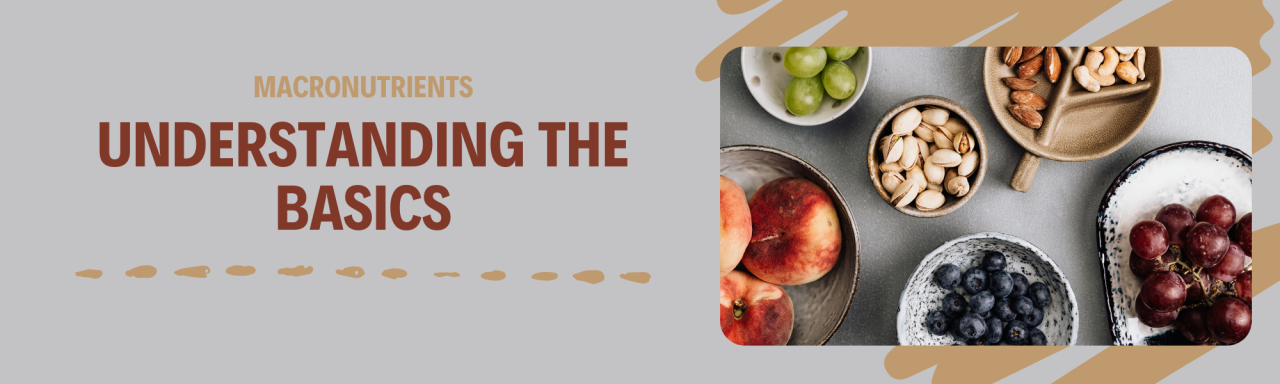
    this picture is regarding about Understanding Macronutrients


    Proteins


    Protein is essential for muscle repair, growth, and maintenance. When aiming for muscle gain, it’s crucial to consume enough protein to support muscle synthesis. For weight loss, protein helps preserve lean muscle mass while promoting satiety, which can aid in reducing overall calorie intake.

    Carbohydrates


    Carbohydrates are the body’s primary energy source, particularly during high-intensity workouts. While they’ve been vilified in some diet trends, carbohydrates play a crucial role in replenishing glycogen stores and sustaining energy levels during exercise. The key lies in choosing complex carbohydrates like whole grains, fruits, and vegetables over simple sugars.

    Fats


    Despite their calorie density, dietary fats are essential for hormone production, nutrient absorption, and overall cellular function. Opt for healthy fats from sources like avocados, nuts, seeds, and fatty fish to support optimal health and performance.

    Must read this post: Which Weight Loss Surgery is Best

    Calculating Macros for Weight Loss

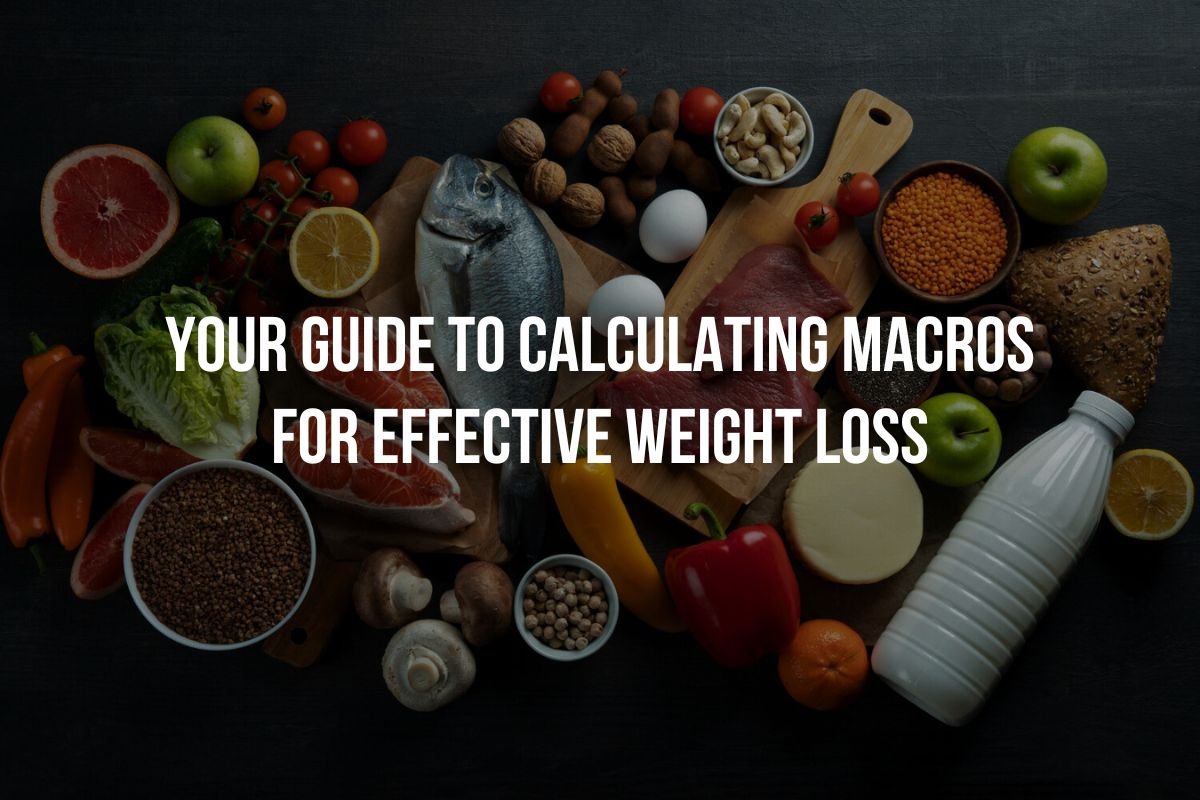
    this picture is regarding about Calculating Macros for Weight Loss


    Determine Total Daily Energy Expenditure (TDEE):
    Calculating your TDEE provides an estimate of the calories your body needs to maintain its current weight. Several online calculators can help determine TDEE based on factors like age, gender, weight, height, and activity level. and this is very important for Calculate Macros for Weight Loss and Muscle Gain

    Set Caloric Deficit


    To initiate weight loss, create a calorie deficit by consuming fewer calories than your TDEE. Aim for a moderate deficit of 300-500 calories per day to promote steady and sustainable weight loss.

    Allocate Macronutrients


    While there’s no one-size-fits-all approach, a common macronutrient distribution for weight loss is approximately 40% protein, 30% carbohydrates, and 30% fats. Adjust these percentages based on individual preferences and needs.

    Must read this post: What Tea is Best for Weight Loss

    Calculating Macros for Muscle Gain

    this picture is regarding with the Calculating Macros for Muscle Gain


    Determine Caloric Surplus


    Unlike weight loss, muscle gain requires a caloric surplus, where you consume more calories than your TDEE to support muscle growth. Aim for a modest surplus of 250-500 calories per day to minimize fat gain while promoting muscle synthesis.

    Prioritize Protein Intake


    To maximize muscle protein synthesis, aim for a higher protein intake, typically around 1.6-2.2 grams of protein per kilogram of body weight. Distribute the remaining calories between carbohydrates and fats to support energy levels and overall health.

    Emphasize Strength Training


    Alongside proper nutrition, prioritize resistance training to stimulate muscle growth and strength development. Focus on compound exercises targeting major muscle groups and progressively overload your workouts to encourage muscle adaptation.

    Conclusion


    Calculating macros for weight loss and muscle gain involves understanding individual energy requirements and macronutrient needs. While the principles remain consistent, it’s essential to listen to your body, track progress, and make adjustments accordingly. Remember, achieving sustainable results requires consistency, patience, and a balanced approach to nutrition and training. By prioritizing quality foods, adequate protein intake, and regular exercise, individuals can achieve their desired physique and optimize their overall health and well-being.

    24Feb

    Which Weight Loss Surgery is Best

    by Aisha Khan

    Obesity has become a global health concern, prompting many individuals to explore surgical options for weight loss when traditional methods prove ineffective. Weight loss surgery, also known as bariatric surgery, offers significant results for those struggling with severe obesity. However, choosing the right procedure can be daunting. In this article, we’ll delve into the various types of weight loss surgeries and consider their effectiveness, risks, and suitability for different individuals.

    Gastric Bypass Surgery

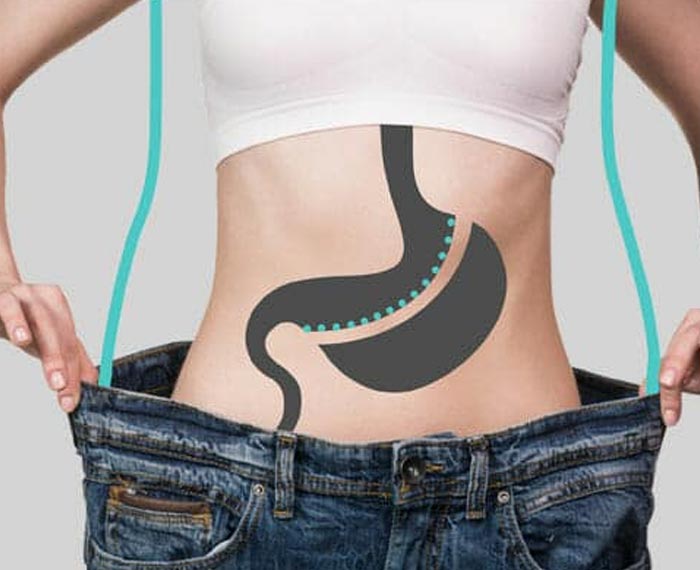
    this picture is related Gastric Bypass Surgery


    Gastric bypass surgery is one of the most commonly performed weight loss procedures. During the surgery, the stomach is divided into a small upper pouch and a larger lower pouch. The small intestine is then rearranged to connect to both pouches, bypassing a portion of the intestine. This procedure restricts food intake and alters the absorption of nutrients. Gastric bypass typically results in substantial weight loss and can also improve or resolve obesity-related conditions such as type 2 diabetes and hypertension.

    Must read this post: What Tea is Best for Weight Loss

    Sleeve Gastrectomy

    this picture is related to Sleeve Gastrectomy


    Sleeve gastrectomy involves removing a large portion of the stomach, creating a smaller, sleeve-shaped stomach. Limiting the amount of food that can be consumed, this reduction in stomach size leads to weight loss. Unlike gastric bypass, sleeve gastrectomy does not involve rerouting the intestines. It also reduces the production of ghrelin, a hormone that stimulates hunger, potentially contributing to decreased appetite. Sleeve gastrectomy, less invasive than gastric bypass, exhibits promising outcomes for weight loss and ameliorating obesity-related comorbidities.

    Adjustable Gastric Banding

    this picture shows us about Adjustable Gastric Banding


    The lap band procedure, or adjustable gastric banding, places an inflatable band around the upper stomach to create a smaller pouch .Adding or removing saline solution enables customization of food intake restriction by adjusting the band .Lap band surgery, less invasive and reversible than other procedures, often leads to slower and less significant weight loss .Additionally, some patients may experience complications such as band slippage or erosion.

    Duodenal Switch Surgery

    this picture is related Duodenal Switch Surgery


    Duodenal switch surgery combines aspects of both gastric bypass and sleeve gastrectomy .The procedure removes part of the stomach, forming a smaller sleeve-shaped stomach, and redirects a portion of the small intestine to limit calories. This procedure leads to significant weight loss and may improve metabolic conditions like diabetes and hyperlipidemia. while effective, poses greater complexity and a heightened risk of nutritional deficiencies compared to alternative weight loss surgeries.

    Must read this post: What Are Good Macros for Weight Loss

    Conclusion


    The best weight loss surgery varies depending on individual factors such as BMI, medical history, lifestyle, and personal preferences. Individuals contemplating weight loss surgery must seek guidance from a qualified bariatric surgeon to assess their situation and advise accordingly. Weight loss surgery offers significant and lasting weight loss but demands dedication to lifestyle adjustments and ongoing medical monitoring. Healthcare professionals should carefully consider and comprehensively discuss the decision for patients to undergo weight loss surgery ultimately.

    24Feb

    What Tea is Best for Weight Loss

    by Aisha Khan

    In the realm of natural remedies for weight loss, tea has emerged as a popular contender. With its array of flavors and purported health benefits, tea is not only a comforting beverage but also a potential ally in shedding those extra pounds. But with so many varieties available, which tea stands out as the best choice for weight loss? Let’s explore the options and uncover the truth behind the hype.

    Green Tea

    this picture is related to green tea


    Green tea is often hailed as a champion in the quest for weight loss. It contains antioxidants called catechins, notably epigallocatechin gallate (EGCG), which are believed to boost metabolism and aid in fat burning. Studies have suggested that the consumption of green tea may increase calorie expenditure and enhance fat oxidation, contributing to weight management efforts. Additionally, green tea is relatively low in calories and can be a refreshing alternative to sugary beverages.

    Must read this post: What Are Good Macros for Weight Loss

    Oolong Tea

    this picture is related to oolong tea


    Oolong tea, a traditional Chinese tea, occupies a middle ground between green and black tea in terms of oxidation levels. It contains polyphenols, caffeine, and theaflavins, which are compounds that may promote fat breakdown and metabolism. Some research suggests that oolong tea may help increase energy expenditure and fat oxidation, making it a potential adjunct to a healthy diet and exercise routine.

    Black Tea

    this picture is related to black tea


    Black tea, known for its robust flavor and rich color, also offers potential benefits for weight management. While it contains fewer catechins compared to green tea, black tea contains compounds such as theaflavins and thearubigins, which may exert favorable effects on metabolism and fat absorption. Some studies have indicated that black tea consumption could support weight loss efforts by enhancing energy expenditure and improving gut health.

    Must read this post: How to Drink Vodka for Weight Loss

    Herbal Teas

    this picture is related to herbal tea


    Herbal teas encompass a diverse range of infusions made from various plants and herbs. While they may not contain the same metabolism-boosting compounds as green, oolong, or black tea, certain herbal teas can still contribute to weight loss indirectly. For example, peppermint tea and ginger tea are known for their digestive properties, which can help alleviate bloating and support healthy digestion, potentially aiding weight management efforts.

    Conclusion


    When it comes to selecting the best tea for weight loss, there is no one-size-fits-all answer. Green, oolong, black, and herbal teas provide distinct advantages, complementing balanced diets and active lifestyles with their unique benefits. Incorporating tea into your routine provides hydration, comfort, and potential weight management benefits, enhancing overall wellness and lifestyle. However, it’s essential to remember that tea alone is not a magic solution for weight loss. Sustainable lifestyle changes, including mindful eating and regular exercise, remain key pillars of achieving and maintaining a healthy weight. So, brew a cup of your favorite tea, savor the moment, and let it be a supportive companion on your wellness journey.

    23Feb

    What Are Good Macros for Weight Loss

    by Aisha Khan

    Understanding macronutrients (macros) is essential for anyone striving to achieve weight loss goals. Macros play a crucial role in providing the body with energy and nutrients necessary for overall health and well-being. In this article, we’ll delve into the concept of macros and explore what constitutes good macros for effective weight loss.

    Understanding Macros

    this picture is related about understanding macros

    Macronutrients are the three main components of our

    diet

    carbohydrates, proteins, and fats.
    Carbohydrates: They are the body’s primary source of energy and include sugars, fibers, and starches.


    Proteins

    Essential for building and repairing tissues, proteins are made up of amino acids, which are vital for muscle growth and recovery.


    Fats

    Despite their negative connotation, fats are crucial for various bodily functions, including hormone regulation and nutrient absorption.

    Must read this post: How to Drink Vodka for Weight Loss


    Importance of Macros in Weight Loss

    this picture is related about importance of macros in weight loss

    Balancing macros is key to achieving and maintaining weight loss.
    Each macronutrient plays a specific role in regulating metabolism and influencing hunger and satiety levels.
    Consuming the right balance of macros can help prevent muscle loss while promoting fat loss.


    Good Macros for Weight Loss

    Protein

    Including an adequate amount of protein in your diet is essential for weight loss. Protein helps boost metabolism, reduce appetite, and preserve lean muscle mass. Good sources of protein include lean meats, poultry, fish, eggs, dairy products, legumes, and tofu.


    Carbohydrates

    While carbohydrates have been vilified in some diet trends, they are still an important part of a balanced diet. Opt for complex carbohydrates such as whole grains, fruits, vegetables, and legumes, which provide sustained energy and essential nutrients.


    Fats

    Choosing the right types of fats is crucial for weight loss. Focus on healthy fats found in foods like avocados, nuts, seeds, olive oil, and fatty fish. These fats promote satiety and support overall health without contributing to weight gain when consumed in moderation.


    Calculating Macro Ratios

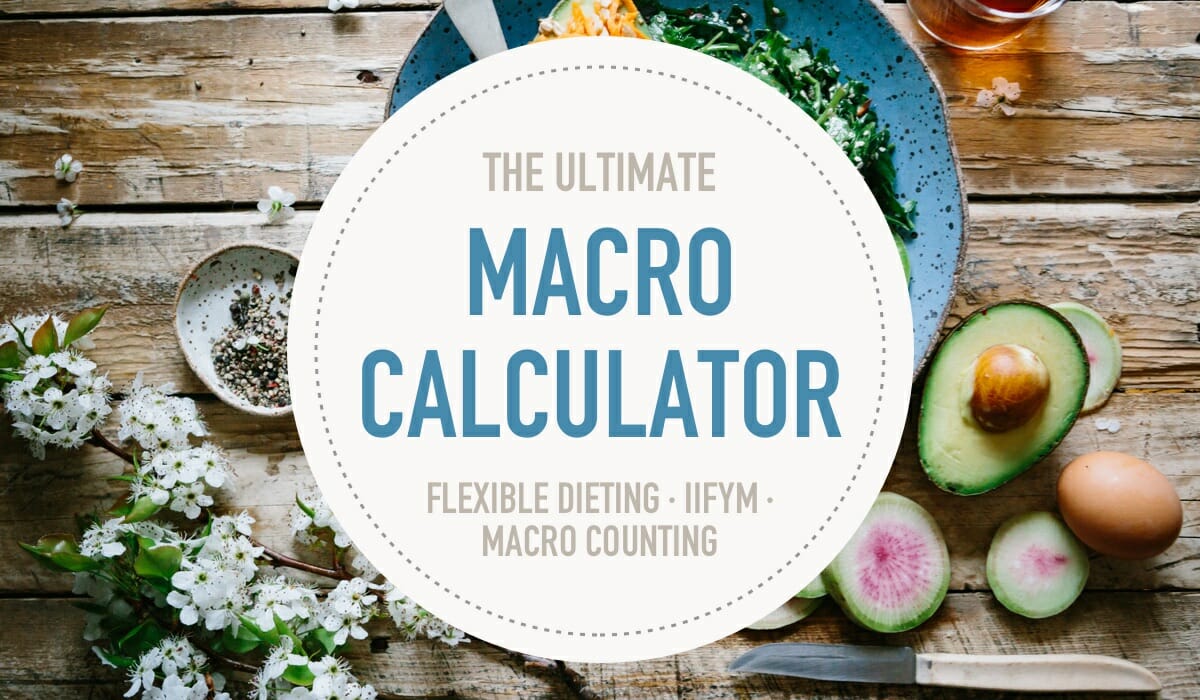
    this picture is related about micro calculator

    The ideal macro ratio for weight loss varies depending on individual factors such as age, gender, weight, activity level, and metabolic rate.
    A common approach is to aim for a balanced ratio of macros, such as 40% carbohydrates, 30% protein, and 30% fats, although adjustments may be necessary based on personal preferences and goals.
    Experimenting with different macro ratios can help determine the most effective approach for achieving weight loss while maintaining energy levels and muscle mass.

    Must read this post: How to Get Rid of Saggy Skin After Weight Loss


    Monitoring Macros

    Keeping track of your daily macro intake can help you stay accountable and make informed dietary choices.
    Utilize food tracking apps or journals to monitor your macro consumption and adjust as needed to align with your weight loss goals.
    Be mindful of portion sizes and aim to prioritize nutrient-dense foods to optimize your macro intake for weight loss success.


    Conclusion


    Achieving sustainable weight loss involves more than just counting calories. Understanding and prioritizing the right macros is crucial for supporting overall health and reaching your weight loss goals. By focusing on consuming good macros in appropriate proportions, you can optimize your nutrition, enhance your metabolism, and achieve long-term success in your weight loss journey.

    • 1
    • 2
    • 3
    • 4
    • …
    • 19

    Categories

    • Weight Loss

    Date Posts

    December 2025
    M T W T F S S
    1234567
    891011121314
    15161718192021
    22232425262728
    293031  
    « Apr    

    Tags

    how to lose weight fast weight loss at home weight loss diet

    Blog Posts

    Set post(s) as "Featured" to see block

    Archives

    • April 2024
    • February 2024
    • January 2024
    • December 2023

    To receive email updates, simply provide us
    with your email address below.

      FAQs

      1. Do you accept insurance?
      2. What forms of payment are accepted?
      3. What is your cancellation policy?
      4. What should I expect during an initial evaluation?
      5. What age group can be treated?
      In case of an emergency, please call 911 or If you are our current patient and have an urgent question, you may reach me at (475)777-6912

      Our Contacts

      • Prime Weight Loss L.L.C Southbury, CT 06488
        Get directions on the map
      • 1-475-777-6912
        (24/7 General inquiry)
      • aisha@theweightdr.com
      Copyright © 2023                                                                                Prime Weight Loss L.L.C Southbury, CT 06488                                                         For emergency cases:    1-475-777-6912