1-475-777-6912
Tulip Medspa and Weight Loss, CT 06488
aisha@theweightdr.com
Tulip Medspa and Weight Loss
  • Home
  • About us
  • Contact us
  • Services
  • Consultation Fee
  • FAQs
Location
Working Time
Working Time
Mon-Thu 08:00 AM – 05:00 PM
Friday  08:00 AM – 04:00 PM
Saturday 09:00 AM – 1:00 PM
Sunday 09:00 AM – 1:00 PM
Book Appointment
Book Appointment

    Quick Pricing
    Quick Pricing
    One Hour Initial Video  Consultation On Call
    For follow-up Consultation On Call


    Emergency Case
    Emergency Case

    Emergency Case

    In  emergency, please call 911 or go to nearest emergency room.

    If you are our current patient and have an urgent question outside of the normal business hours, you may reach me at the given number

    • 1-475-777-6912
    • aisha@theweightdr.com
    Our Contact
    +
    HomeBlog Posts
    23Feb

    How to Drink Vodka for Weight Loss

    by Aisha Khan

    Vodka, often associated with celebratory toasts and social gatherings, might not seem like a likely candidate for aiding weight loss. However, when consumed in moderation and with mindfulness, vodka can be incorporated into a weight loss regimen. By understanding how to drink vodka responsibly and in conjunction with a healthy lifestyle, individuals can potentially harness its benefits while pursuing their weight loss goals.

    Understanding Vodka and Calories

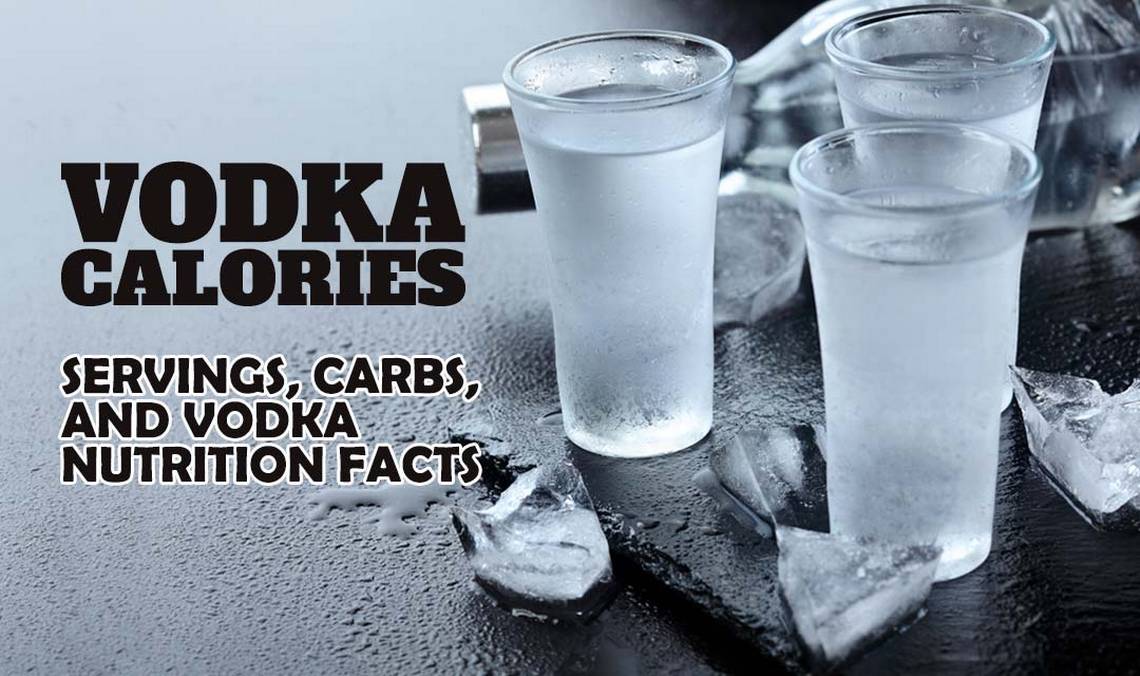
    this picture is regarding vodka calories

    Before delving into the nuances of drinking vodka for weight loss, it’s essential to grasp the caloric content of this popular spirit. Vodka is known for its relatively low calorie count compared to other alcoholic beverages. Typically, a 1.5-ounce (44 ml) serving of vodka contains approximately 97 calories, with variations depending on the brand and proof.

    Must read this post: How to Get Rid of Saggy Skin After Weight Loss

    Moderation is Key

    The key to incorporating vodka into a weight loss strategy lies in moderation. While vodka may contain fewer calories than sugary cocktails or beer, excessive consumption can impede weight loss efforts and pose health risks. It’s crucial to adhere to recommended serving sizes and avoid binge drinking, which can lead to overconsumption of calories and hinder progress toward weight loss goals.

    Choose Low-Calorie Mixers

    this picture is regarding low colories mixer

    One strategy to minimize calorie intake while enjoying vodka is to opt for low-calorie mixers. Traditional mixers like sugary sodas and fruit juices can significantly increase the calorie content of a vodka drink. Instead, consider mixing vodka with sparkling water, club soda, or freshly squeezed lemon or lime juice for flavor without excess calories. These alternatives not only reduce calorie intake but also provide a refreshing twist to your vodka beverage.

    Mindful Consumption

    Practicing mindfulness while drinking vodka can contribute to weight loss efforts. Mindful drinking involves savoring each sip, being aware of portion sizes, and paying attention to how alcohol affects your body and appetite. By drinking slowly and mindfully, you’re more likely to recognize feelings of fullness and avoid overindulgence, which can sabotage weight loss goals.

    Balance with Healthy Lifestyle Choices

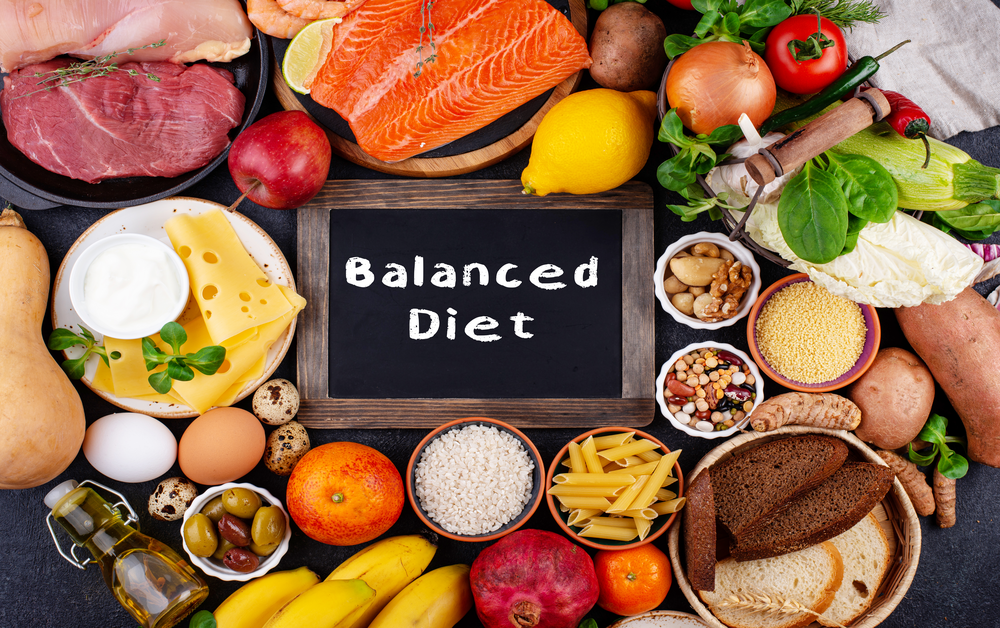
    this picture is regarding balance diet

    While incorporating vodka into a loss plan, it’s essential to maintain a balanced lifestyle that includes regular exercise and a nutritious diet. Alcohol consumption, including vodka, should complement—not replace—healthy habits such as regular physical activity and mindful eating. Prioritize whole foods, lean proteins, fruits, vegetables, and whole grains to support overall health and weight management goals.

    Must read this post: How much weight loss after birth

    Limit Late-Night Consumption

    Avoiding late-night consumption of vodka can be beneficial for loss. Drinking alcohol close to bedtime can disrupt sleep patterns and lead to poor dietary choices the following day. Additionally, late-night drinking may contribute to consuming extra calories from unhealthy snacks or greasy foods. Limiting alcohol intake in the evening can promote better sleep quality and support weight loss efforts.

    Stay Hydrated

    this picture tell us about how we can stay hydrated

    Proper hydration is essential, especially when consuming alcohol. Alcohol has a diuretic effect, which can lead to dehydration if not adequately countered. Drinking water between alcoholic beverages can help mitigate dehydration and reduce the likelihood of overindulgence. Staying hydrated also supports overall health and aids in digestion, which can be beneficial for weight loss.

    Conclusion

    In conclusion, drinking vodka for weight loss can be compatible with a healthy lifestyle when approached with moderation and mindfulness. By understanding the caloric content of vodka, choosing low-calorie mixers, and practicing mindful consumption, individuals can enjoy vodka responsibly while pursuing their weight loss goals. It’s important to remember that alcohol should be enjoyed in moderation and as part of a balanced lifestyle that includes regular exercise and nutritious eating habits. With careful attention to portion sizes and lifestyle choices, vodka can be a part of a successful weight loss journey.

    22Feb

    How to Get Rid of Saggy Skin After Weight Loss

    by Aisha Khan

    Losing weight is a significant achievement that comes with numerous health benefits and an improved quality of life. However, one common concern for individuals who have undergone significant weight loss is dealing with excess saggy skin. This article delves into strategies to address saggy skin after weight loss, aiding individuals in achieving a more toned appearance.

    Understanding Saggy Skin After Weight Loss

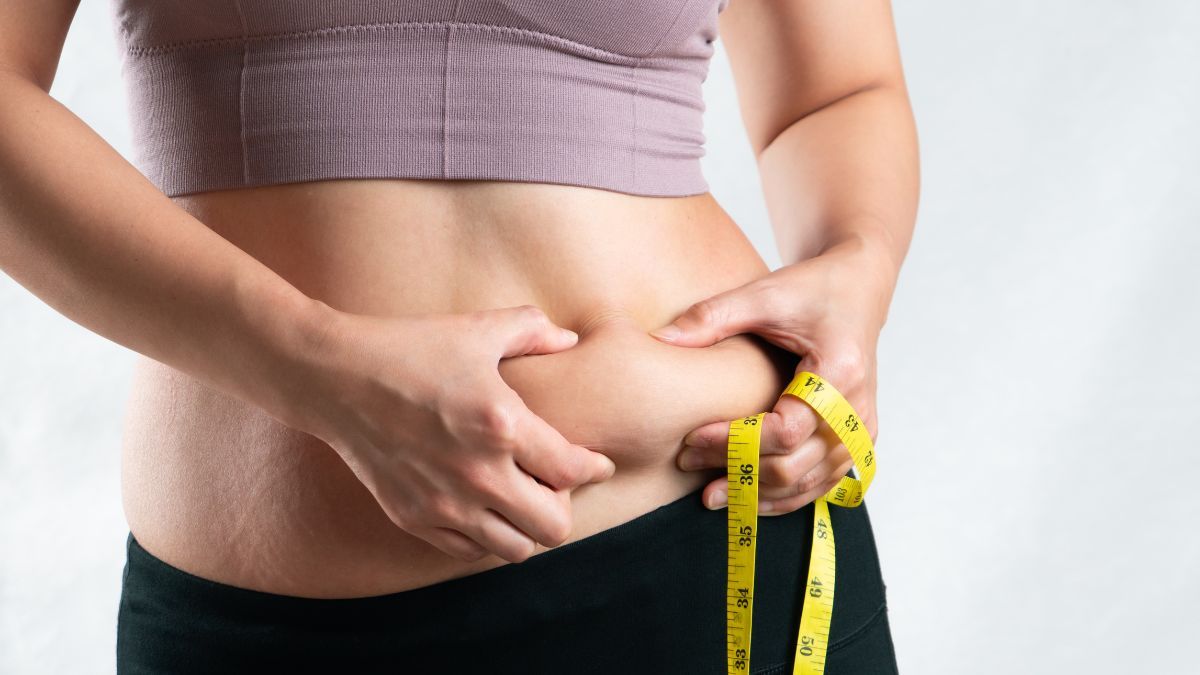
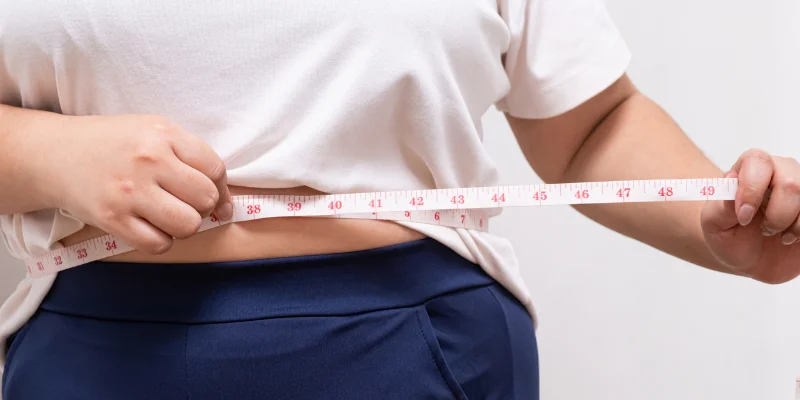
    this picture is related to the saggy skin with measure tape.

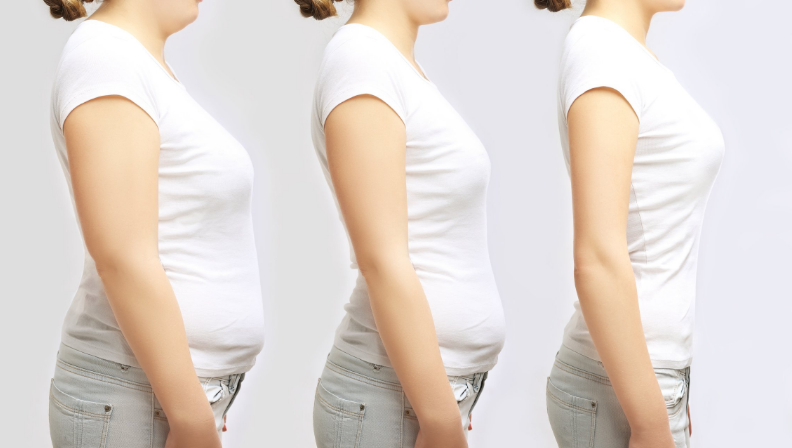
    Saggy skin, also known as excess or loose skin, is a common issue that many people face after losing a substantial amount of weight. When the body rapidly loses weight, especially over a short period, the skin may not adjust, leading to sagging.

    Several factors contribute to saggy skin after weight loss, including age, the speed of weight loss. Though saggy skin may be disheartening, numerous strategies can enhance skin tone and tightness, fostering a more sculpted appearance.

    Must read this post: How much weight loss after birth

    Gradual Weight Loss and Hydration

    a women drinking water to control saggy skin

    One of the most effective ways to minimize saggy skin after weight loss is to adopt a gradual approach to losing weight. Gradual weight loss allows the skin to adjust slowly to changes in body composition, giving it time to shrink and tighten along with the underlying tissues. Aim for a weight loss rate of 1-2 pounds per week to support skin elasticity and minimize sagging.

    Staying hydrated is also crucial for skin health and elasticity. Drinking an adequate amount of water helps keep the skin hydrated and supple, reducing the risk of saggy skin. Aim to drink at least 8-10 glasses of water per day to maintain optimal hydration levels.

    Incorporate Strength Training and Muscle Building

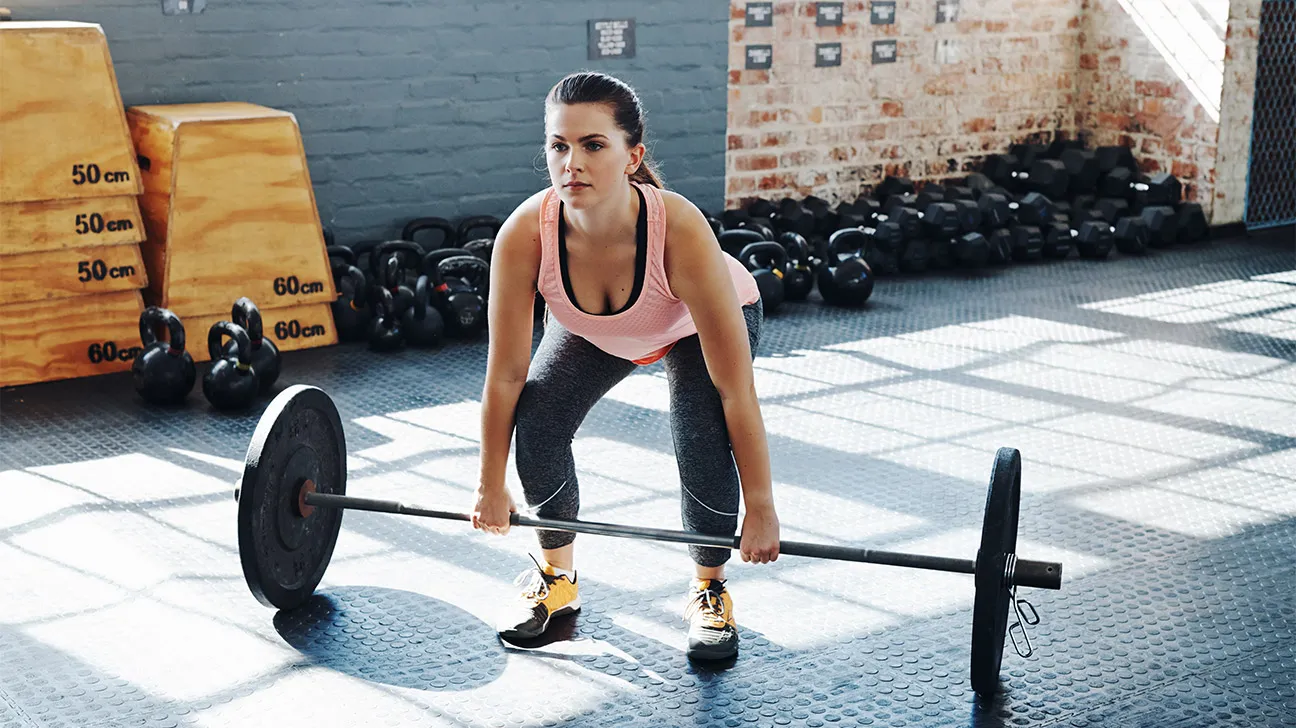
    women doing excersise in this picture

    Strength training and muscle-building exercises play a vital role in tightening and toning the skin after weight loss. By building lean muscle mass, individuals can fill out loose skin and create a more sculpted appearance. Focus on resistance exercises that target major muscle groups, such as squats, lunges, push-ups, and weightlifting.

    In addition to traditional strength training, incorporating exercises that engage the core and improve overall body composition can help promote skin tightening and firmness. Pilates, yoga, and core-strengthening workouts are excellent choices for improving muscle tone and supporting skin elasticity.

    Maintain a Balanced Diet Rich in Nutrients

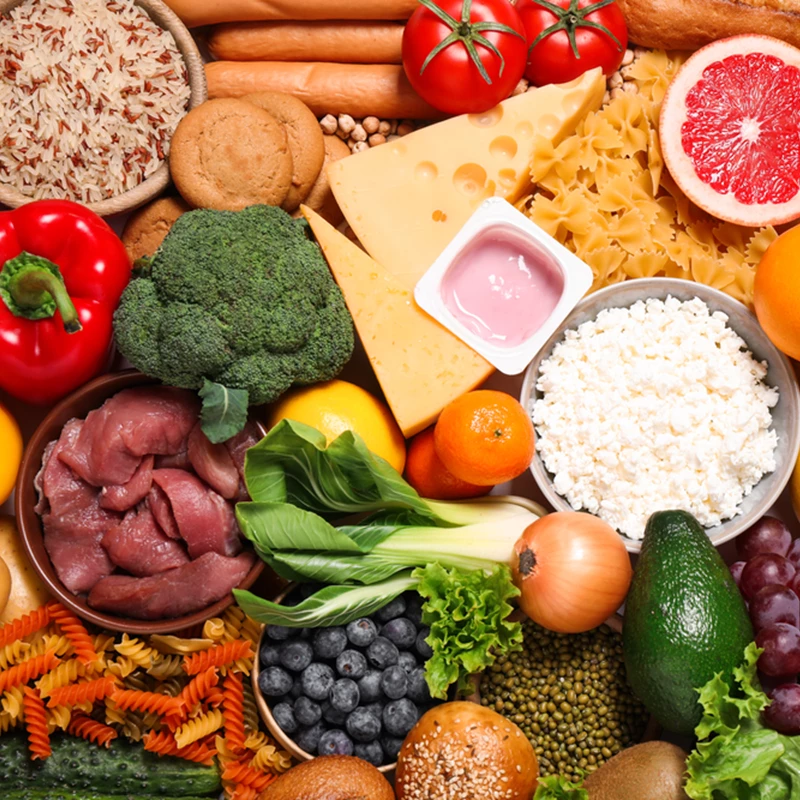
    this picture is related to nutrients rich food

    Eating a balanced diet rich in nutrients is essential for overall health and skin elasticity.Incorporate fruits, vegetables, lean proteins, whole grains, and healthy fats to provide essential vitamins and minerals supporting skin health.

    Antioxidant-rich foods like berries safeguard the skin from damage and stimulate collagen production, supporting its health and vitality.Consider adding collagen-rich foods like bone broth to your diet to support skin elasticity and promote repair.Collagen supplements may aid skin tone and texture, but more research is required to confirm their effectiveness definitively.

    Must read this post: What Vitamins Are Good for Weight Loss

    Consider Nonsurgical Skin Tightening Treatments

    For individuals with significant saggy skin after weight loss, nonsurgical skin tightening treatments may offer effective solutions .Procedures like radiofrequency, ultrasound, laser, and microcurrent therapy stimulate collagen production, improve skin tone, and tighten loose skin.

    Before any cosmetic procedures, consult a qualified dermatologist or plastic surgeon to discuss options and determine a suitable treatment plan.While nonsurgical treatments yield results, maintain realistic expectations; multiple sessions may be necessary to achieve optimal outcomes.

    Conclusion

    Dealing with saggy skin can be challenging, but effective strategies and treatments are available to address it. Incorporating strength training, a balanced diet, and non-surgical skin tightening treatments helps achieve a toned and tightened appearance. Dealing with post-weight loss saggy skin can be tough, but effective strategies and treatments are available to tackle it.

    22Feb

    How much weight loss after birth

    by Aisha Khan

    Bringing a child into the world is a life-changing experience that comes with a myriad of physical and emotional changes for mothers. Among the concerns that often arise after childbirth is the issue of postpartum weight loss. Understanding what is considered typical in terms of weight loss after giving birth is important for new mothers to set realistic expectations and prioritize their health and well-being.

    Initial Weight Loss: The Immediate Postpartum Period

    initial weight loss is primarily attributed to the expulsion of the baby, placenta, amniotic fluid, and excess fluids retained during pregnancy.

    In the immediate aftermath of childbirth, women typically experience a significant drop in weight. This initial weight loss is primarily attributed to the expulsion of the baby, placenta, amniotic fluid, and excess fluids retained during pregnancy. On average, new mothers can expect to lose between 10 to 20 pounds or more during the first few days postpartum.

    Must read this post: What Vitamins Are Good for Weight Loss

    Continued Weight Loss: Weeks and Months Following Birth

    the body continues to undergo changes as it transitions to the postpartum phase.

    In the weeks and months following childbirth, the body continues to undergo changes as it transitions to the postpartum phase. Hormonal fluctuations, breastfeeding, and lifestyle factors contribute to the gradual decline in weight during this period.

    Breastfeeding, in particular, is known to aid in postpartum weight loss. Not only does it burn additional calories, but it also stimulates uterine contractions, helping the uterus return to its pre-pregnancy size. However, it’s important to note that individual experiences with postpartum weight loss vary, and not all women will shed weight at the same rate.

    Setting Realistic Expectations

     it's essential to approach postpartum weight loss with patience and realistic expectations.

    While many new mothers are eager to return to their pre-pregnancy weight and shape, it’s essential to approach postpartum weight loss with patience and realistic expectations. The focus should be on overall health and well-being rather than achieving a specific number on the scale.

    Experts generally recommend waiting until the six-week postpartum checkup before actively trying to lose weight.

    This timeframe gives the body sufficient time to recover from childbirth and ensures that any weight loss efforts proceed safely and responsibly.

    Must read this post: How Much Magnesium Should I Take for Weight Loss

    Healthy Strategies for Postpartum Weight Loss

    When it comes to postpartum weight loss, adopting healthy lifestyle habits is key. Crash diets and extreme exercise regimens are not advisable, especially for breastfeeding mothers.

    Instead, new mothers should focus on nourishing their bodies with nutrient-rich foods, staying hydrated, and prioritizing adequate rest and self-care. Making gradual changes to lifestyle habits will not only support weight loss goals but also contribute to overall health.

    Celebrating Your Postpartum Journey

    It's important for new mothers to celebrate their postpartum journey and acknowledge the incredible changes their bodies have undergone.

    It’s important for new mothers to celebrate their postpartum journey and acknowledge the incredible changes their bodies have undergone. Embracing the challenges and triumphs of motherhood with self-compassion and grace is essential for mental and emotional well-being.

    Every woman’s postpartum journey is unique, and there is no one-size-fits-all approach to weight loss after giving birth. By approaching postpartum weight loss with patience, new mothers can navigate this transformative period with confidence and resilience.

    Conclusion

    postpartum weight loss is a gradual and individualized process that varies from woman to woman. By setting realistic expectations, new mothers can achieve their weight loss goals while embracing the joys and challenges of motherhood.

    21Feb

    What Vitamins Are Good for Weight Loss

    by Aisha Khan

    Embarking on a weight loss journey often involves a multifaceted approach that includes dietary changes, exercise, and lifestyle modifications. While there’s no magic pill for shedding pounds, certain vitamins play crucial roles in supporting metabolism, energy production, making them valuable additions to a weight loss regimen. In this article, we’ll explore some of the key vitamins that are beneficial for weight loss and how they contribute to a healthy body composition.

    Vitamin D

    Vitamin D, often referred to as the "sunshine vitamin,"


    Vitamin D, often referred to as the “sunshine vitamin,” is essential for bone health, immune function, and mood regulation.

    Research suggests that obesity and difficulty in losing weight may be associated with vitamin D deficiency. Adequate levels of vitamin D link to improved insulin sensitivity, which regulates blood sugar levels and prevents fat storage.

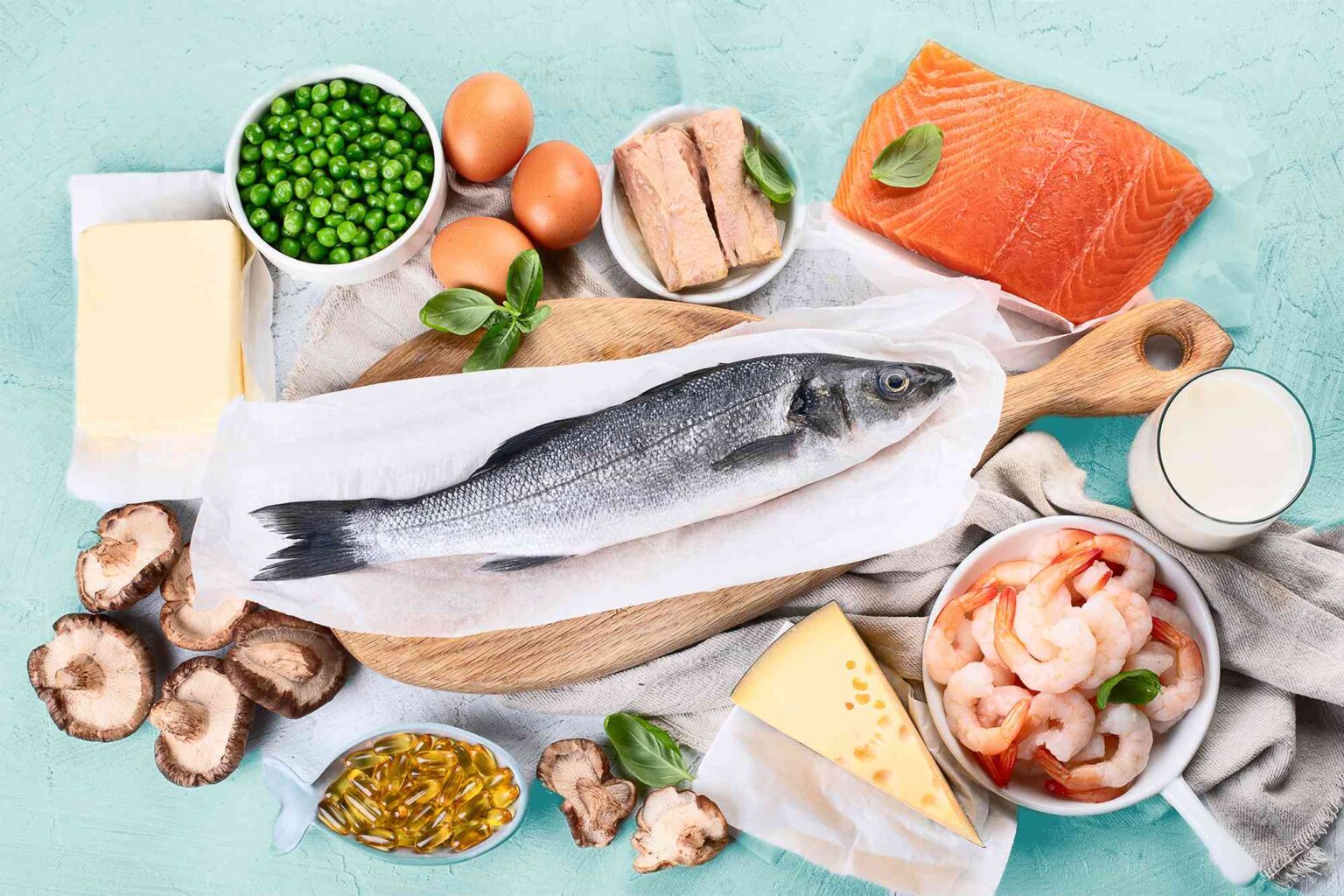
    Sources of vitamin D include sunlight exposure, fatty fish (such as salmon and mackerel), fortified dairy products, egg yolks, and certain fortified foods. For individuals with limited sun exposure or those at risk of deficiency, vitamin D supplements may be beneficial, especially during the winter months or in regions with less sunlight.

    Must read this post: How Much Magnesium Should I Take for Weight Loss

    Vitamin B Complex

    this picture tell us about vitamin B complex


    The B vitamins, including B1 (thiamine), B2 (riboflavin), B7 (biotin), and B12 (cobalamin), play crucial roles in energy metabolism and the breakdown of carbohydrates, fats, and proteins. These vitamins help convert food into energy and support proper functioning of the nervous system.

    Certain B vitamins, including B6, B12 metabolize homocysteine,when elevated, may increase the risk of cardiovascular disease and obesity-related conditions.

    Food sources of B vitamins include whole grains, lean meats, eggs, dairy products, leafy green vegetables, legumes, and nuts. While obtaining B vitamins from food is ideal, supplementation may be necessary for individuals with dietary restrictions.

    Must read this post: How Much GABA to Take for Weight Loss

    Vitamin C

    Vitamin C boosts immunity and aids in weight management by fighting oxidative stress

    Vitamin C boosts immunity and aids in weight management by fighting oxidative stress and inflammation, crucial factors in obesity and metabolic syndrome.

    . Additionally, vitamin C participates in the synthesis of carnitine, a compound that assists the body in converting fat into energy.

    Citrus fruits, strawberries, kiwi, bell peppers, broccoli, and tomatoes are excellent sources of vitamin C. Adding them to your diet supports weight loss and overall health.

    Conclusion

    While vitamins aren’t a diet replacement, ensuring adequate intake supports weight loss and overall health by incorporating nutrient-rich foods.

    Consult a healthcare professional before beginning any vitamin supplementation regimen, especially if you have underlying health conditions or take medications.

    21Feb

    How Much Magnesium Should I Take for Weight Loss

    by Aisha Khan

    Magnesium is a mineral essential for numerous bodily functions, ranging from nerve function to bone health. However, its potential role in weight loss has garnered significant attention in recent years. While magnesium alone isn’t a magic bullet for shedding pounds, ensuring an adequate intake of this vital nutrient can support overall wellness and potentially contribute to weight management efforts.

    Understanding Magnesium and Weight Loss

    Magnesium plays a crucial role in various metabolic processes within the body.


    Magnesium plays a crucial role in various metabolic processes within the body. It aids in the regulation of blood sugar levels, helps metabolize carbohydrates and fats, and is involved in energy production. Furthermore, magnesium supports muscle and nerve function, which are integral aspects of physical activity and exercise – key components of any weight loss journey.

    Research suggests that magnesium deficiency may be associated with metabolic abnormalities and an increased risk of obesity. Inadequate magnesium levels could potentially lead to insulin resistance, inflammation, and altered lipid metabolism, all of which are factors that can contribute to weight gain and difficulty in losing excess weight.

    Must read this post: How Much GABA to Take for Weight Loss

    Recommended Magnesium Intake

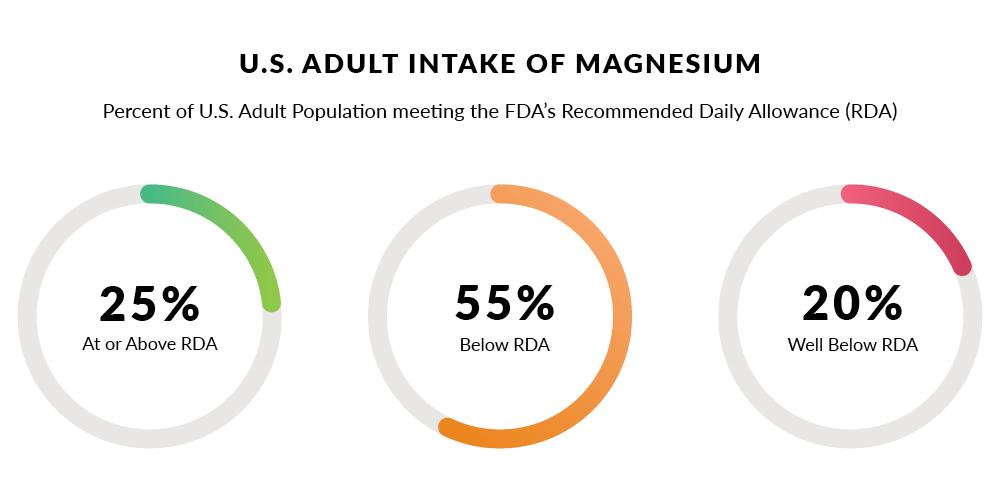
    The recommended daily allowance (RDA) for magnesium varies depending on factors such as age, sex, and individual health conditions.


    The recommended daily allowance (RDA) for magnesium varies depending on factors such as age, sex, and individual health conditions. According to the National Institutes of Health (NIH), the following are the RDAs for magnesium:

    Adult males: 400-420 mg per day
    Adult females: 310-320 mg per day
    However, some experts suggest that optimal magnesium intake for adults may be higher, ranging from 400 to 800 mg per day, particularly for individuals engaging in intense physical activity or those with certain health conditions.

    Magnesium Sources

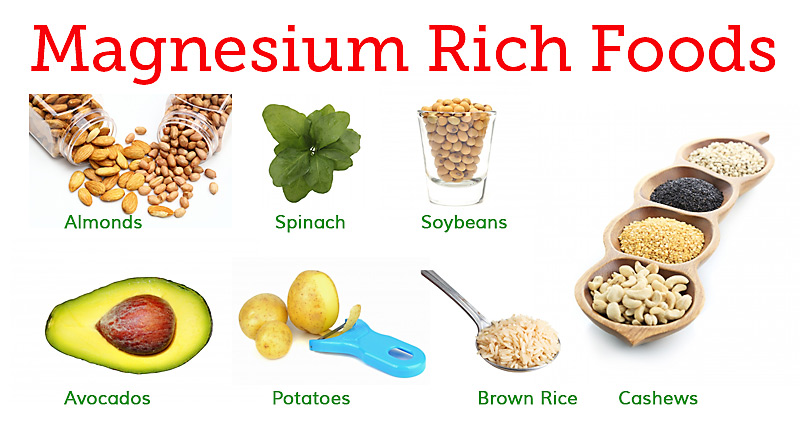
    Magnesium is found naturally in many foods, including leafy green vegetables, nuts and seeds, whole grains, legumes, and some seafood.


    Magnesium is found naturally in many foods, including leafy green vegetables, nuts and seeds, whole grains, legumes, and some seafood. Incorporating magnesium-rich foods into your diet is an excellent way to ensure an adequate intake of this essential nutrient.

    Here are some examples of magnesium-rich foods:

    Spinach, kale, and other leafy greens
    Almonds, cashews, and peanuts
    Whole grains such as brown rice, quinoa, and oats
    Legumes like black beans, chickpeas, and lentils
    Avocado
    Salmon and other fatty fish.

    Must read this post: Why is Gluten Bad for Weight Loss


    Magnesium Supplements

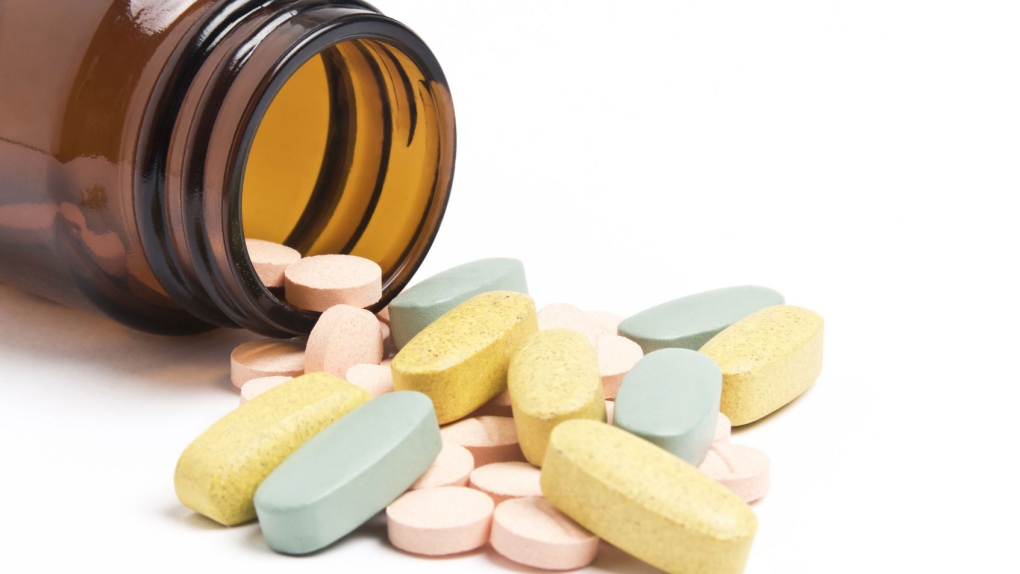
    this picture tell us about Magnesium Supplements


    While it’s ideal to obtain nutrients from whole foods whenever possible, magnesium supplements can be a convenient option for individuals who struggle to meet their daily magnesium requirements through diet alone. Magnesium supplements are available in various forms, including magnesium oxide, magnesium citrate, magnesium glycinate, and magnesium chloride.

    When considering magnesium supplementation for weight loss or overall health, it’s essential to consult with a healthcare professional to determine the appropriate dosage and form of magnesium based on individual needs and health status. Additionally, it’s important to be cautious with magnesium supplementation, as excessive intake can lead to adverse effects, including digestive upset and diarrhea.

    Conclusion


    In conclusion, while magnesium alone is unlikely to result in significant weight loss, ensuring an adequate intake of this essential mineral can support overall health and potentially aid in weight management efforts. By consuming magnesium-rich foods and, if necessary, supplementing wisely under the guidance of a healthcare provider, individuals can optimize their magnesium levels and support their journey towards achieving and maintaining a healthy weight.

    As with any dietary or lifestyle change, consistency and balance are key. Pairing a nutrient-rich diet with regular physical activity, adequate sleep, and stress management techniques can contribute to long-term weight management success and overall well-being.

    20Feb

    How Much GABA to Take for Weight Loss

    by Aisha Khan

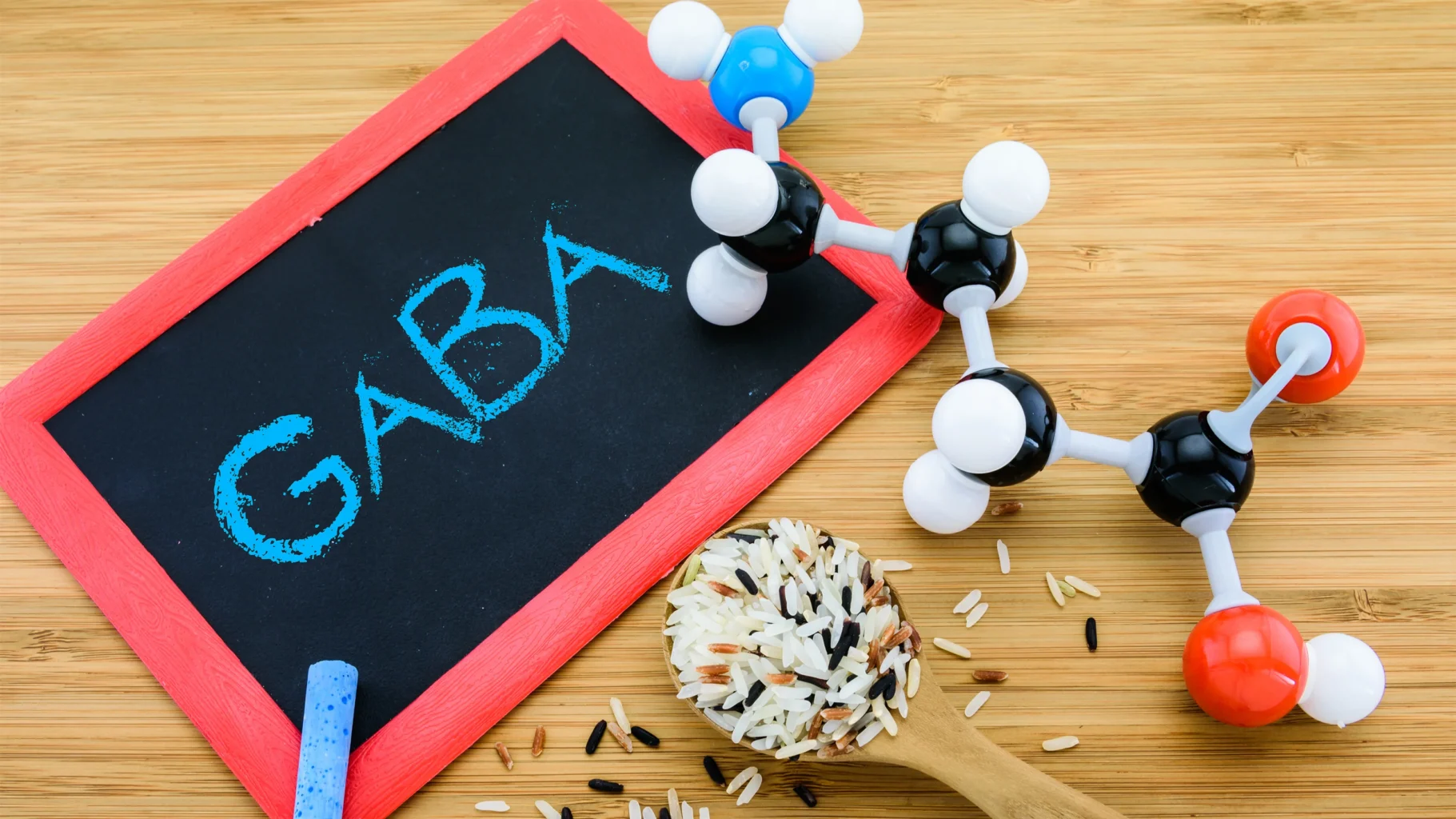
    Gamma-aminobutyric acid, or GABA, is a neurotransmitter in the brain that plays a crucial role in regulating mood, stress response, and relaxation. In recent years, GABA supplements have gained popularity for their potential benefits in promoting weight loss and improving overall health. However, determining the appropriate dosage of GABA for weight loss can be complex and requires careful consideration of various factors.

    Understanding GABA

    GABA is known for its calming effects on the nervous system,

    Before delving into the dosage considerations, it’s essential to understand how GABA functions in the body. GABA is known for its calming effects on the nervous system, helping to reduce anxiety, promote relaxation, and improve sleep quality. Some research suggests that GABA may also influence appetite regulation and metabolic processes, making it a potential candidate for weight management.

    Dosage Recommendations

    recommended dosage of GABA for weight loss, as research on its efficacy and safety is limited.

    Currently, there is no standard recommended dosage of GABA for weight loss, as research on its efficacy and safety is limited. Dosages can vary depending on individual factors such as age, weight, overall health, and the specific formulation of the supplement.

    Must read this post: Why is Gluten Bad for Weight Loss

    Consultation with Healthcare Professionals

    They can provide personalized guidance based on your unique health profile and medical history.

    Before starting any GABA supplementation regimen for weight loss, it’s crucial to consult with a healthcare professional, such as a physician or registered dietitian. They can provide personalized guidance based on your unique health profile and medical history.

    Start Low, Go Slow

    When incorporating GABA supplements into your weight loss regimen, it’s advisable to start with a low dosage and gradually increase as needed. This approach allows you to assess your body’s response to the supplement and minimize the risk of adverse effects.

    Monitor Effects and Adjust Dosage

    Pay close attention to how your body reacts to the GABA supplementation.

    Pay close attention to how your body reacts to the GABA supplementation. Keep track of any changes in mood, energy levels, appetite, and weight loss progress. If you experience any negative side effects or discomfort, consider adjusting the dosage or discontinuing use under the guidance of a healthcare professional.

    Must read this post: What Is BMR in Weight Loss

    Consideration of Other Factors

    Keep in mind that GABA supplements should be used as part of a comprehensive weight loss strategy that includes a balanced diet, regular physical activity, adequate sleep, and stress management techniques. While GABA may offer potential benefits, it is not a substitute for healthy lifestyle habits.

    Quality and Purity

    When choosing a GABA supplement, opt for reputable brands that adhere to high-quality standards

    When choosing a GABA supplement, opt for reputable brands that adhere to high-quality standards and undergo third-partypotency. Selecting a trusted product ensures that you are receiving a safe and effective supplement.

    Conclusion

    while GABA supplements may hold promise for supporting weight loss efforts, careful consideration and consultation with healthcare professionals. By starting with a low dosage, monitoring effects closely, and prioritizing overall health , individuals can incorporate GABA supplements as part of a holistic approach to weight management. Always remember that sustainable weight loss involves lifestyle changes that promote long-term health and well-being.
    • 1
    • 2
    • 3
    • 4
    • 5
    • …
    • 19

    Categories

    • Weight Loss

    Date Posts

    December 2025
    M T W T F S S
    1234567
    891011121314
    15161718192021
    22232425262728
    293031  
    « Apr    

    Tags

    how to lose weight fast weight loss at home weight loss diet

    Blog Posts

    Set post(s) as "Featured" to see block

    Archives

    • April 2024
    • February 2024
    • January 2024
    • December 2023

    To receive email updates, simply provide us
    with your email address below.

      FAQs

      1. Do you accept insurance?
      2. What forms of payment are accepted?
      3. What is your cancellation policy?
      4. What should I expect during an initial evaluation?
      5. What age group can be treated?
      In case of an emergency, please call 911 or If you are our current patient and have an urgent question, you may reach me at (475)777-6912

      Our Contacts

      • Prime Weight Loss L.L.C Southbury, CT 06488
        Get directions on the map
      • 1-475-777-6912
        (24/7 General inquiry)
      • aisha@theweightdr.com
      Copyright © 2023                                                                                Prime Weight Loss L.L.C Southbury, CT 06488                                                         For emergency cases:    1-475-777-6912