1-475-777-6912
Tulip Medspa and Weight Loss, CT 06488
aisha@theweightdr.com
Tulip Medspa and Weight Loss
  • Home
  • About us
  • Contact us
  • Services
  • Consultation Fee
  • FAQs
Location
Working Time
Working Time
Mon-Thu 08:00 AM – 05:00 PM
Friday  08:00 AM – 04:00 PM
Saturday 09:00 AM – 1:00 PM
Sunday 09:00 AM – 1:00 PM
Book Appointment
Book Appointment

    Quick Pricing
    Quick Pricing
    One Hour Initial Video  Consultation On Call
    For follow-up Consultation On Call


    Emergency Case
    Emergency Case

    Emergency Case

    In  emergency, please call 911 or go to nearest emergency room.

    If you are our current patient and have an urgent question outside of the normal business hours, you may reach me at the given number

    • 1-475-777-6912
    • aisha@theweightdr.com
    Our Contact
    +
    HomeBlog Posts
    20Feb

    Why is Gluten Bad for Weight Loss

    by Aisha Khan

    In the realm of health and nutrition, gluten has garnered , often being portrayed especially for those seeking weight loss. Gluten, a protein found in wheat, barley, implicated in various health issues, gain and digestive discomfort. Let’s delve into why gluten is perceived detrimental to weight loss efforts.

    High Caloric Density

    Gluten-containing foods such as bread, pasta, and baked goods are often calorie-dense

    Gluten-containing foods such as bread, pasta, and baked goods are often nearly calorie-dense. These foods can contribute to excess calorie intake, which is a primary factor in weight gain. Many gluten-rich products also contain added sugars and fats, further increasing their caloric content.

    Lack of Nutrient Density

     While gluten-containing foods provide energy, they may lack essential nutrients such as vitamins, minerals, and fiber.

    While gluten-containing foods provide energy, they may lack essential nutrients such as vitamins,later minerals, and fiber. Consuming foods with low nutrient density can lead to overeating the nutrients it requires, weight loss efforts.

    Must read this post: How Does Semaglutide Work for Weight Loss

    Inflammatory Response

    Gluten sensitivity or intolerance is a common concern among individuals

    Gluten sensitivity or intolerance is a common concern among individuals. For those with celiac disease, an autoimmune disorder triggered by gluten consumption, ingesting gluten candamage to the small intestine. Even in non-celiac individuals, which can disrupt healthy eating patterns and impede weight loss progress.

    Processed Foods

    Many gluten-containing products are highly processed and refined, lacking the nutritional value of whole foods.

    Many gluten-containing products are highly processed and refined, the nutritional value of whole foods. Processed foods often contain additives, preservatives, and artificial flavors,and undermine efforts to maintain a healthy diet.

    Impact on Gut Health

    Researchers have linked gluten consumption to alterations in gut composition and function.. Imbalances in gut bacteria can affect digestion, nutrient absorption, and metabolism, potentially influencing body weight regulation. Research suggests that individuals with gluten sensitivity may experience changes in gut microbiota that could impact weight management.

    Mindful Eating

    Eliminating gluten from the diet can promote mindfulness and awareness of food choices.

    Eliminating gluten from the diet can promote mindfulness and awareness of food choices. Here Many glutenthat is and whole grains like quinoa and brown rice, offer nutritional benefits and support., unprocessed foods that promote satiety and long-term weight management.

    While gluten avoidance may be beneficial for certain individuals, inbrief alogh it’s essential to approach dietaryand final consideration and health status. For those experiencing adverse reactions to consulting with a healthcare professional or registered dietitian can provide personalized guidance and support.

    Must read this post: What Is BMR in Weight Loss

    Conclusion

    gluten may pose challenges for weight loss due to its caloric density, IN last coupled can be a strategy for individuals seeking to manage their weight and improve overall health. However, in last it’s important to make informed dietary choices based on individual preferences, needs, and infact medical considerations.

    19Feb

    What Is BMR in Weight Loss

    by Aisha Khan

    When it comes to weight loss, understanding body’s Basal Metabolic Rate (BMR) is crucial. first ,BMR represents the number of the maintain basic physiological functions while at rest. It forms the foundation for calculating your daily calorie needs and plays a significant role in determining your weight loss journey. here Let’s delve into what BMR is and how it impacts weight loss:

    Defining Basal Metabolic Rate (BMR)

     (BMR) refers to the number of calories your body requires to sustain essential functions


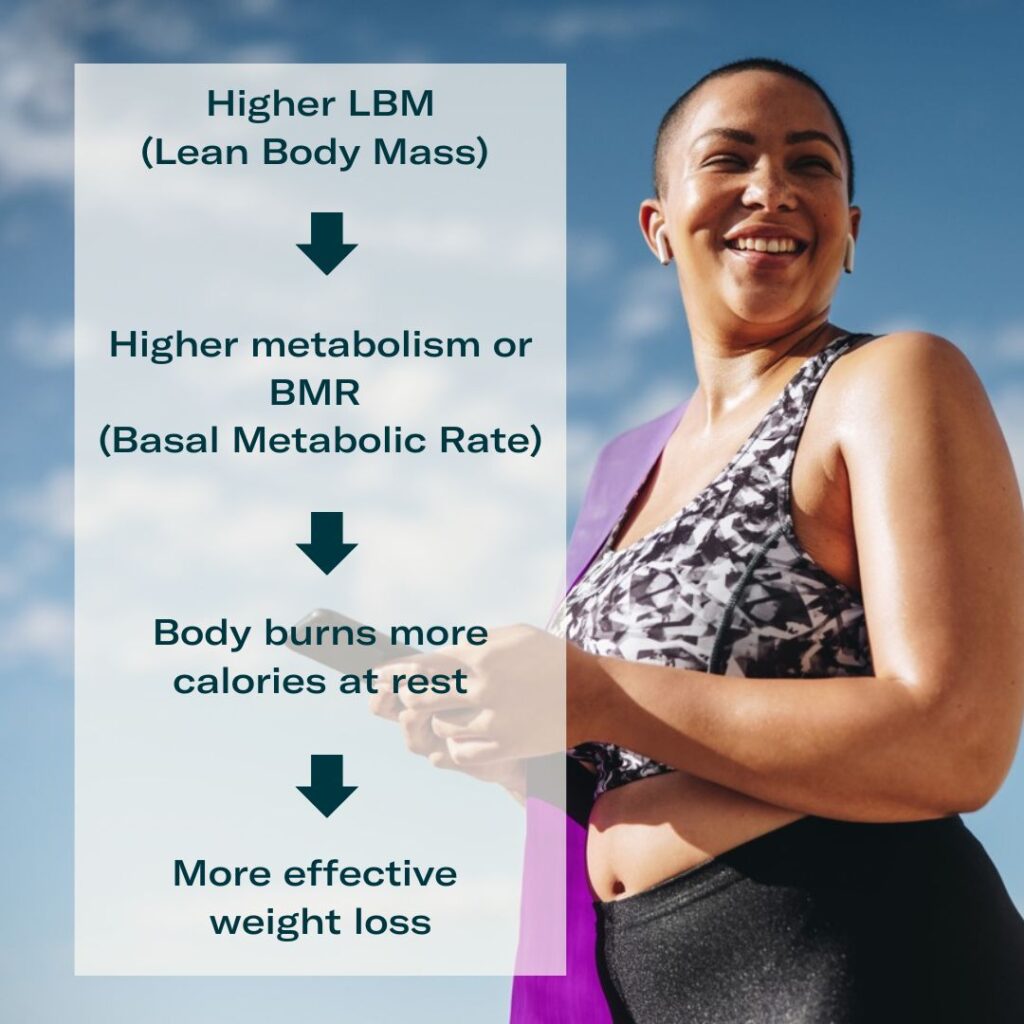
    Basal Metabolic Rate (BMR) refers to the number of calories your to essential functions such as breathing, and organ function while at rest. here In other words, it’s theyour body needs alive and maintain basic bodily functions.

    Factors Influencing BMR


    Several factors influence an individual’s BMR, including:

    Body Composition

    Lean muscle mass typically increases BMR, while a higher percentage of body.


    Age

    BMR to decrease with age due to loss of muscle and changes in hormone levels.


    Gender

    Men generallya higher BMR than women, primarily due to differences body composition and muscle mass.


    Genetics

    Genetic factors can influence metabolic rate and energy expenditure.


    Thyroid Function

    Thyroid hormones play a key role in regulating metabolism, and thyroid disorders can affect BMR.

    Must read this post: How Does Semaglutide Work for Weight Loss

    Importance in Weight Loss

    Understanding your BMR is crucial for effective weight loss


    Understanding your BMR is crucial for effective weight loss for several reasons including:

    Calorie Calculation

    BMR serves as the starting point for calculating your Total Daily Energy Expenditure (TDEE), which represents the total number of calories your body needs based on activity level and other factors.


    Caloric Deficit

    To lose weight, create a caloric deficit by consuming fewer calories than your TDEE. Infact Knowing your BMR helps you determine how many calories to consume daily to achieve your weight loss goals.


    Individualized Approach

    Calculating your BMR allows for a personalized approach to weight loss, infact taking into account your unique metabolic needs and activity level.

    Calculating BMR


    Several formulas can estimate BMR, Here with the most commonly used being the Harris-Benedict equation. This equation takes into account gender, age, weight, and height to estimate BMR. Alternatively, online calculators and apps can provide quick estimates of BMR based on inputted data later.

    Incorporating BMR into Weight Loss Strategies

    Once you have calculated your BMR, you can use it as a foundation for developing a weight loss plan:


    Once you have , you can use it as a foundation for developing a weight loss plan:

    Must read this post: What Should My Macros Be for Weight Loss

    Create a Caloric Deficit

    Determine your daily calorie needs by considering your BMR and activity level. Aim for a moderate caloric deficit to promote gradual and sustainable weight loss.


    Monitor Progress

    Regularly track your calorie intake and weight to assess progress and make adjustments as in brife needed.


    Incorporate Exercise

    Physical activity can increase calorie expenditure and complement your weight loss efforts. that is Combining a balanced diet with regular exercise can help you achieve optimal results.

    Conclusion

    Basal Metabolic Rate (BMR) serves as a fundamental component of weight loss, infact providing insights into your body’s energy needs at rest. since By understanding your BMR and incorporating it into your weight loss strategy, you can take a personalized approach to achieve your goals effectively and sustainably.

    19Feb

    How Does Semaglutide Work for Weight Loss

    by Aisha Khan

    Semaglutide, a medication originally developed to treat type 2 diabetes, has garnered attention in recent years for its potential as a weight loss therapy. Marketed under the brand name Wegovy (formerly known as Ozempic), semaglutide of drugs called glucagon-like peptide-1 receptor agonists (GLP-1 RAs). Here’s a closer look at how semaglutide works for weight loss and its mechanism of action:

    GLP-1 Receptor Agonist

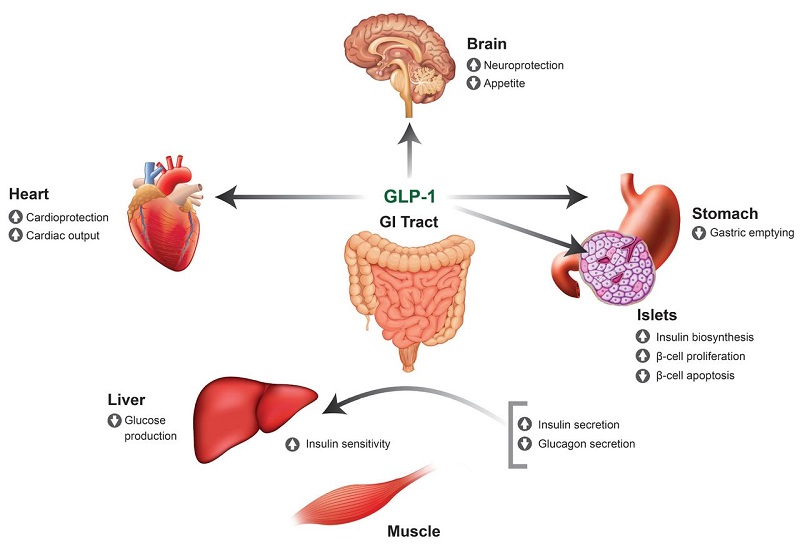
    Semaglutide acts as a GLP-1 receptor agonist, mimicking the effects of a natural hormone called glucagon-like peptide-1 (GLP-1).


    Semaglutide acts as a GLP-1 receptor agonist, mimicking the effects of a natural hormone called glucagon-like peptide-1 (GLP-1). GLP-1 is released from the gut in response to food intake and plays a crucial role in regulating blood sugar levels, appetite, and metabolism.

    Appetite Regulation

    One of the primary mechanisms by which semaglutide promotes weight loss is through appetite suppression.


    One of the primary mechanisms by which semaglutide promotes weight loss is through appetite suppression. By activating GLP-1 receptors in the brain, semaglutide helps reduce feelings of hunger and increase feelings of fullness, leading to reduced food intake and calorie consumption. Semaglutide Work for Weight Loss

    Delayed Gastric Emptying

    which helps stabilize blood sugar levels and prolongs the feeling of satiety after meals.


    Semaglutide also slows down the emptying of the stomach,blood sugar levels and prolongs the feeling of satiety after meals. This delayed gastric emptying can contribute to lower postprandial blood glucose levels and reduced food cravings throughout the day.

    Must read this post: What Should My Macros Be for Weight Loss

    Increased Energy Expenditure


    In addition to appetite suppression andsemaglutide may also increase energy expenditure, leading to greater calorie burn and fat loss. Studies suggest that GLP-1 receptor agonists like semaglutide may enhance thermogenesis and promote the oxidation of fat for energy. Semaglutide Work for Weight Loss

    Clinical Trials and Efficacy


    Clinical trials evaluating the efficacy of semaglutide for weight loss have shown promising results. In the STEP (Semaglutide Treatment Effect in People with obesity) trials, experienced significant weight loss compared to those receiving a placebo. The trials also demonstrated improvements in cardiometabolic risk factors such as blood pressure,and glycemic control.

    Dosage and Administration

    Semaglutide for weight loss is typically administered once weekly via subcutaneous injection.


    Semaglutide for weight loss is via subcutaneous injection. The recommended dosage may vary depending on individual patient characteristics and treatment goals. It is important to follow the prescribing instructions provided by healthcare professionals and adhere to the prescribed dosage regimen.

    Must read this post: How to Balance Your Hormones for Weight Loss

    Safety and Side Effects


    While semaglutide is generally well-tolerated, it may cause side effects such, and abdominal discomfort. Patients adverse reactions, especially during the of treatment.Semaglutide Work for Weight Loss

    Conclusion


    Semaglutide, a GLP-1 receptor agonist originally developed for the treatment of type 2 diabetes, has emerged as a promising therapy for weight loss. By modulating appetite, delaying gastric emptying, and increasing energy expenditure, semaglutide helps individuals achieve sustainable weight loss and improve cardiometabolic health. While further research is needed to fully profile, a valuable addition to the armamentarium of weight loss treatments.

    17Feb

    What Should My Macros Be for Weight Loss

    by Aisha Khan

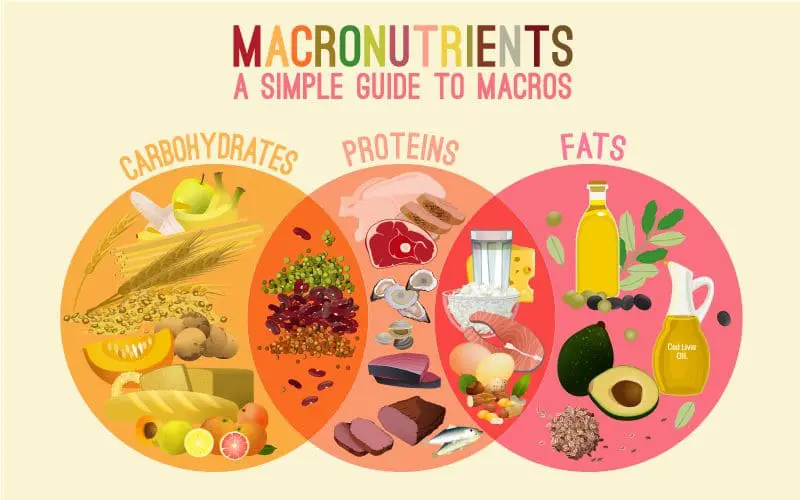
    Achieving weight loss goals involves more than just reducing calories. It also requires paying attention to macronutrients, or macros, which are the essential nutrients our bodies need in large amounts: carbohydrates, proteins, and fats. Understanding the role of macros and how to balance them appropriately can be key to successful weight loss.

    Understanding Macronutrients

    picture shows and tell us about macronutrients

    Carbohydrates (Carbs)

    Carbs are the body’s primary source of energy and are found in foods like grains, fruits, vegetables, and legumes. While they’re often demonized in some weight loss circles, carbs are essential for fueling workouts and providing energy for daily activities.

    Proteins

    Proteins are the building blocks of muscle, skin, hair, and other tissues. They also play a crucial role in repairing and maintaining body tissues and supporting immune function. Protein-rich foods include meat, poultry, fish, eggs, dairy products, legumes, nuts, and seeds.

    Fats

    Fats are important for hormone production, brain function, and the absorption of fat-soluble vitamins (A, D, E, and K). Healthy fats include avocados, nuts, seeds, olive oil, fatty fish, and coconut oil. While high in calories, fats can help keep you feeling full and satisfied.

    Must read this post: How to Balance Your Hormones for Weight Loss

    Determining Your Macros for Weight Loss

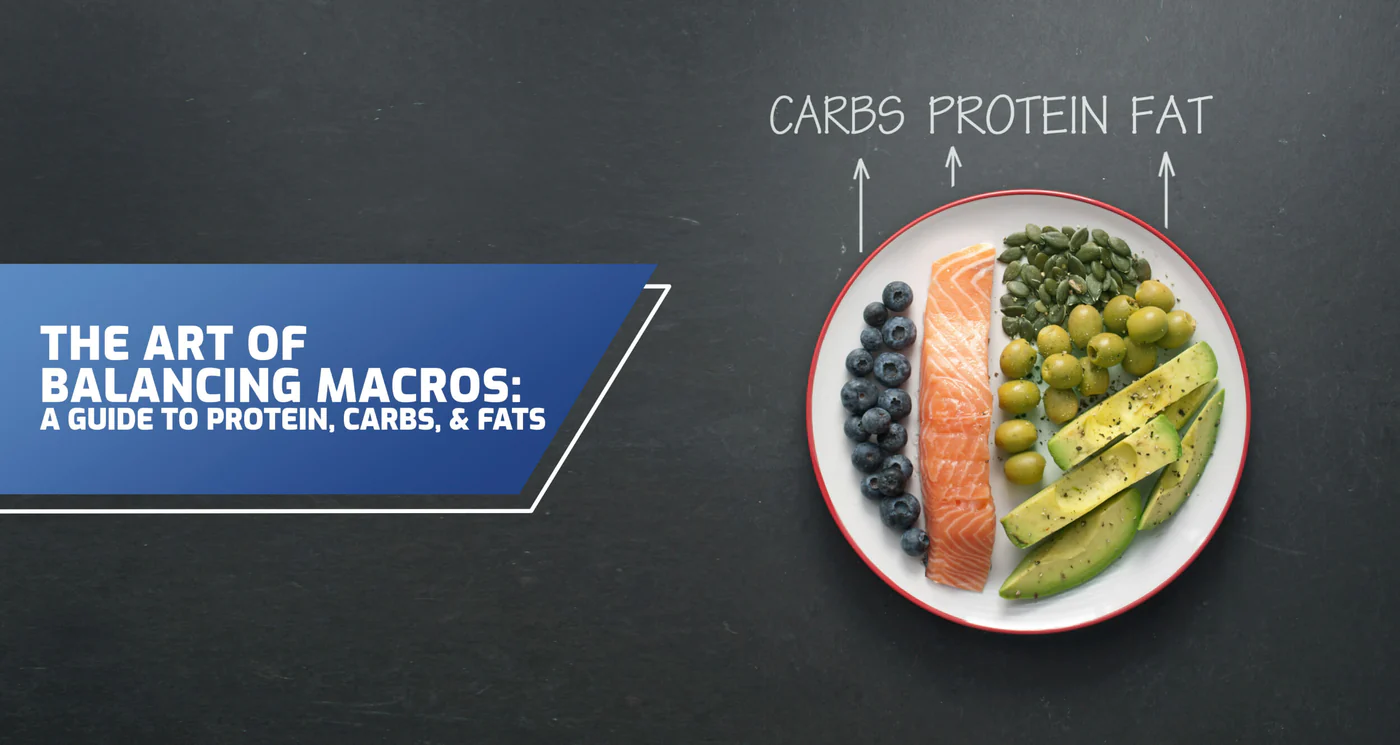
    this picture tell how we can determine macro

    Calculate Your Total Daily Energy Expenditure (TDEE)

    Your TDEE is the total number of calories your body burns in a day, including through physical activity and exercise. Online calculators can provide estimates based on factors like age, gender, weight, height, and activity level.

    Set Your Caloric Deficit

    To lose weight, you need to consume fewer calories than your TDEE. A moderate caloric deficit of 500 to 750 calories per day is generally considered sustainable and effective for gradual weight loss.

    Distribute Your Macros

    Once you have your total calorie target, you can determine how to distribute your macros within that calorie limit. While individual needs vary, a common

    macronutrient distribution for weight loss is

    Carbohydrates: 45-65% of total calories
    Proteins: 15-30% of total calories
    Fats: 20-35% of total calories


    Adjust Based on Goals and Preferences

    Your macro distribution may vary based on factors like dietary preferences, activity level, metabolic rate, and weight loss goals. Some people may prefer higher protein or lower carbohydrate diets, while others may thrive on a more balanced approach.

    Tips for Balancing Macros

    this picture tell us and give tips regarding macro

    Prioritize Whole Foods

    Focus on nutrient-dense, whole foods that provide a balance of macronutrients, vitamins, and minerals. Incorporate plenty of fruits, vegetables, lean proteins, whole grains, and healthy fats into your meals.

    Must read this post: How to Tighten Belly Skin After Weight Loss

    Monitor Portion Sizes

    Pay attention to portion sizes and avoid overeating, even with healthy foods. Be mindful of serving sizes and practice portion control to avoid consuming excess calories.

    Track Your Intake

    Consider using a food tracking app or journal to monitor your daily intake of macros and calories. This can help you stay accountable and make adjustments as needed to stay on track with your weight loss goals.

    Stay Hydrated

    Drink plenty of water throughout the day to support hydration and overall health. Sometimes, thirst can be mistaken for hunger, leading to unnecessary snacking or overeating.

    Be Patient and Consistent

    Weight loss takes time, and progress may not always be linear. Focus on making sustainable lifestyle changes and be patient with yourself as you work towards your goals.

    Conclusion

    Balancing macros for weight loss involves understanding your body’s energy needs and distributing your intake of carbohydrates, proteins, and fats accordingly. By focusing on nutrient-dense whole foods, monitoring portion sizes, and staying consistent with your efforts, you can optimize your macros for successful and sustainable weight loss.

    17Feb

    How to Balance Your Hormones for Weight Loss

    by Aisha Khan

    In the pursuit of weight loss, many people focus solely on diet and exercise while overlooking the crucial role hormones play in regulating metabolism and body composition. Hormonal imbalances can disrupt the body’s ability to burn fat efficiently, leading to stubborn weight gain and difficulty in shedding pounds. Fortunately, by understanding how hormones influence weight loss and adopting lifestyle changes to balance them, individuals can achieve sustainable and long-term success in their weight loss journey.

    Understanding Hormonal Imbalances

    Hormones act as messengers in the body, regulating various physiological processes, including metabolism, appetite, and fat storage.

    Hormones act as messengers in the body, regulating various physiological processes, including metabolism, appetite, and fat storage. Several hormones play key roles in weight management:

    Insulin

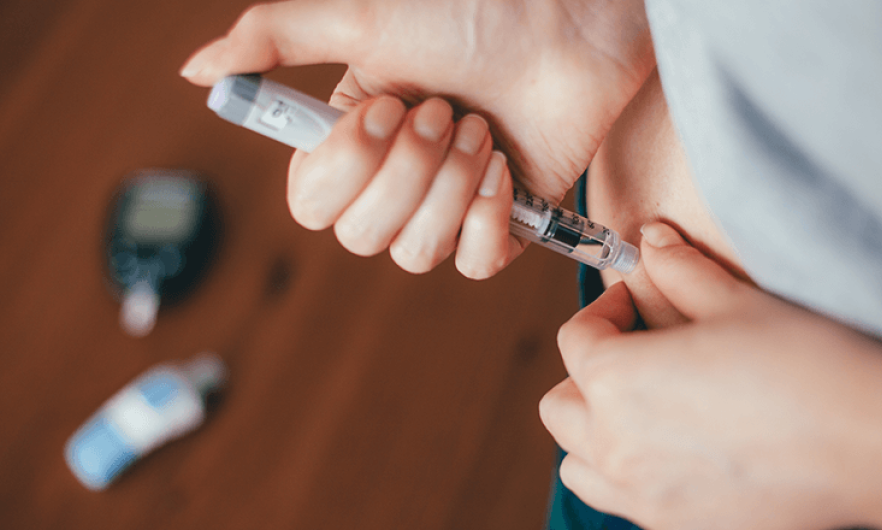
     insulin helps regulate blood sugar levels by facilitating the uptake of glucose into cells for energy.

    Produced by the pancreas, insulin helps regulate blood sugar levels by facilitating the uptake of glucose into cells for energy. Insulin resistance, a condition where cells become less responsive to insulin, can lead to elevated blood sugar levels and increased fat storage, particularly around the abdomen.

    Must read this post: How to Tighten Belly Skin After Weight Loss

    Leptin and Ghrelin

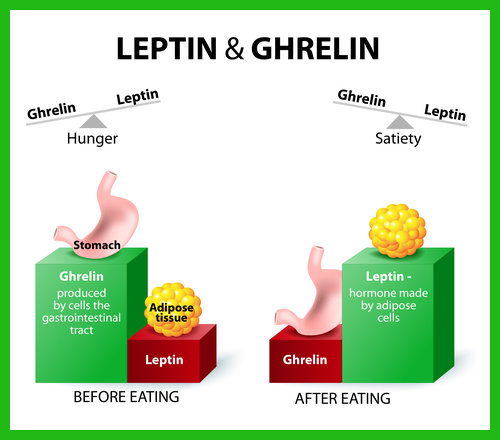
    Leptin, known as the "satiety hormone," signals to the brain when we're full and helps regulate appetite.

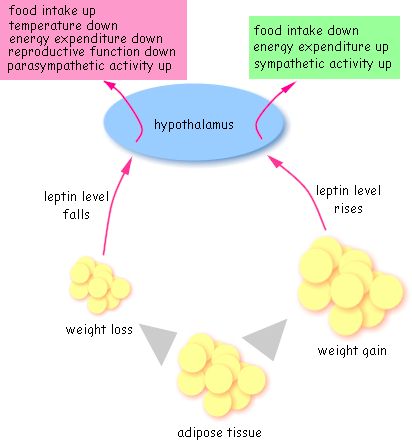
    Leptin, known as the “satiety hormone,” signals to the brain when we’re full and helps regulate appetite. Ghrelin, on the other hand, stimulates hunger and promotes food intake. Imbalances in leptin and ghrelin levels can disrupt hunger signals, leading to overeating and weight gain.

    Cortisol

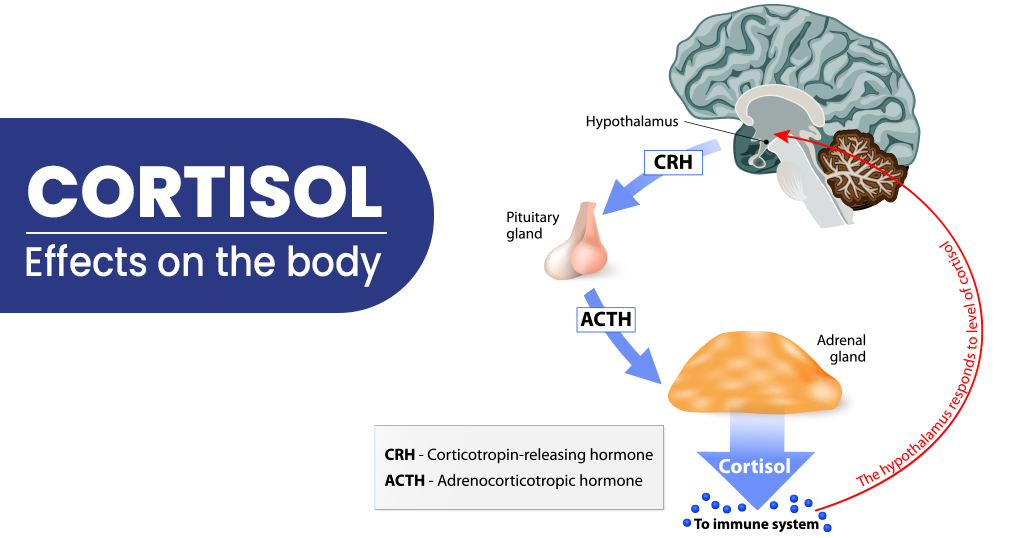
     cortisol is released in response to stress and helps regulate metabolism, blood sugar levels, and immune function

    Referred to as the “stress hormone,” cortisol is released in response to stress and helps regulate metabolism, blood sugar levels, and immune function. Chronic stress can elevate cortisol levels, which may contribute to increased abdominal fat deposition and metabolic dysfunction.

    Thyroid Hormones

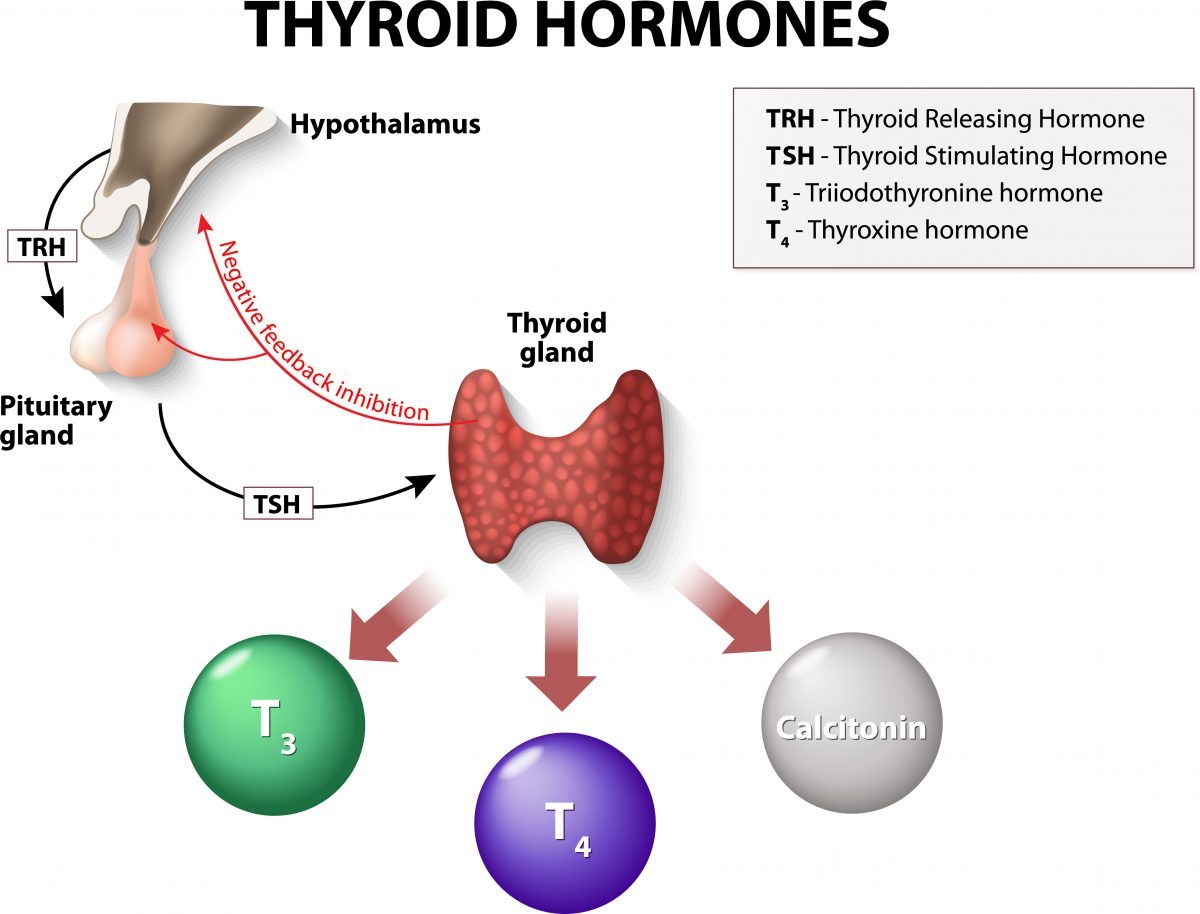
    Thyroid hormones, including T3 and T4, play a crucial role in regulating metabolism and energy production.

    Thyroid hormones, including T3 and T4, play a crucial role in regulating metabolism and energy production. Hypothyroidism, Balance Your Hormones characterized by an underactive thyroid gland, can slow down metabolism and lead to weight gain, fatigue, and other symptoms.

    Strategies to Balance Hormones for Weight Loss

    Eat a Balanced Diet

    Focus on whole, nutrient-dense foods such as fruits, vegetables, lean proteins, healthy fats, and complex carbohydrates. Incorporate fiber-rich foods to support digestive health and stabilize blood sugar levels.

    Must read this post: What Vitamins Should I Take for Weight Loss

    Manage Stress

    Practice stress-reduction techniques such as meditation, deep breathing exercises, yoga, or spending time in nature. Prioritize sleep and aim for 7-9 hours of quality sleep each night to support hormonal balance and overall well-being.

    Exercise Regularly

    Engage in a combination of aerobic exercise, strength training, and flexibility exercises to support metabolic health and hormone balance. Aim for at least 150 minutes of moderate-intensity exercise per week.

    Limit Sugar and Processed Foods

    Minimize consumption of refined carbohydrates, sugary snacks, and processed foods, which can spike blood sugar levels and contribute to insulin resistance and hormonal imbalances.

    Stay Hydrated

    Drink an adequate amount of water throughout the day to support hydration and metabolic function. Limit intake of sugary beverages and alcohol, which can disrupt hormone levels and contribute to weight gain.

    Consider Hormone Testing

    If you suspect hormonal imbalances are hindering your weight loss efforts, consult with a healthcare professional who can perform hormone testing and provide personalized recommendations for treatment and management.

    Conclusion

    Achieving and maintaining weight loss involves more than just calorie counting and exercise. Hormonal balance plays a crucial role in regulating metabolism, appetite, and fat storage. By adopting healthy lifestyle habits that support hormonal balance, individuals can optimize their weight loss efforts and improve overall health and well-being in the long term.

    16Feb

    How to Tighten Belly Skin After Weight Loss

    by Aisha Khan

    Losing weight is a remarkable achievement that comes with numerous health benefits and a newfound sense of confidence. However, for many individuals who have undergone significant weight loss, loose or sagging skin around the belly area can be a concern. Fortunately, there are effective strategies available to help tighten belly skin and improve overall body contour after weight loss. we’ll explore practical methods and lifestyle changes that can promote skin elasticity

    Gradual Weight Loss

    Gradual weight loss is key to minimizing excess skin after significant weight loss

    Gradual weight loss is key to minimizing excess skin after significant weight loss. Rapid weight loss can lead to a loss of for the skin to adapt to your new body size. Aim for a slow and steady weight loss of 1-2 pounds per week to give and tighten naturally.

    Stay Hydrated

    Proper hydration is essential for maintaining skin elasticity and overall skin health.

    Proper hydration is essential for maintaining skin elasticity and overall skin health. Drinking an adequate amount of water helps keep your skin hydrated, supple, and resilient. Aim to drink at least 8-10 glasses of water per day to support optimal skin hydration and promote skin elasticity.

    Eat a Nutrient-Rich Diet

    Eating a balanced diet rich in vitamins, minerals, and antioxidants

    Eating a balanced diet rich in vitamins, minerals, and antioxidants can help support skin health and promote collagen production, healthy fats in your diet to provide your skin with the nutrients it needs to stay healthy and resilient.

    Must read this post: What Vitamins Should I Take for Weight Loss

    Exercise Regularly

     exercise and strength training into your fitness routine can help improve muscle

    Incorporating both cardiovascular exercise and strength training improve muscle tone and promote fat loss, which may contribute to tighter skin. Cardiovascular exercises or swimming help burn training exercises help build muscle mass and improve overall body contour.

    Focus on Core Strengthening Exercises

    Targeted exercises that engage the muscles of the abdomen can help tighten and tone the belly area.
    Sporty black woman doing exercises on yoga mat, standing in half bridge pose indoors, side view. Attractive African American lady doing asana for abs muscles strength, staying fit and healthy at home

    Targeted exercises that engage the muscles of the abdomen can help tighten and tone the belly area. Incorporate exercises such as planks, crunches, leg raises, to strengthen the muscles of the core and improve overall muscle tone.

    Use Skin-Tightening Creams and Lotions

    There are numerous over-the-counter creams and lotions available that claim to help tighten loose skin.

    There are numerous over-the-counter creams and lotions available that claim to help tighten loose skin. While these products may not produce dramatic results, , which may contribute to improved skin elasticity over time. Look for products containing ingredients such as retinol,and peptides, which have been shown to support skin health and firmness.

    Must read this post: How to Jumpstart Weight Loss After 40

    Consider Non-Invasive Treatments

    Non-invasive cosmetic treatments such as radiofrequency therapy, ultrasound therapy, laser therapy, and microneedling can help stimulate collagen production and tighten loose skin. These treatments are performed by trained professionals and can help improve the appearance of sagging skin without the need for surgery.

    Be Patient and Realistic

    It's important to be patient and realistic when addressing loose skin after weight loss.
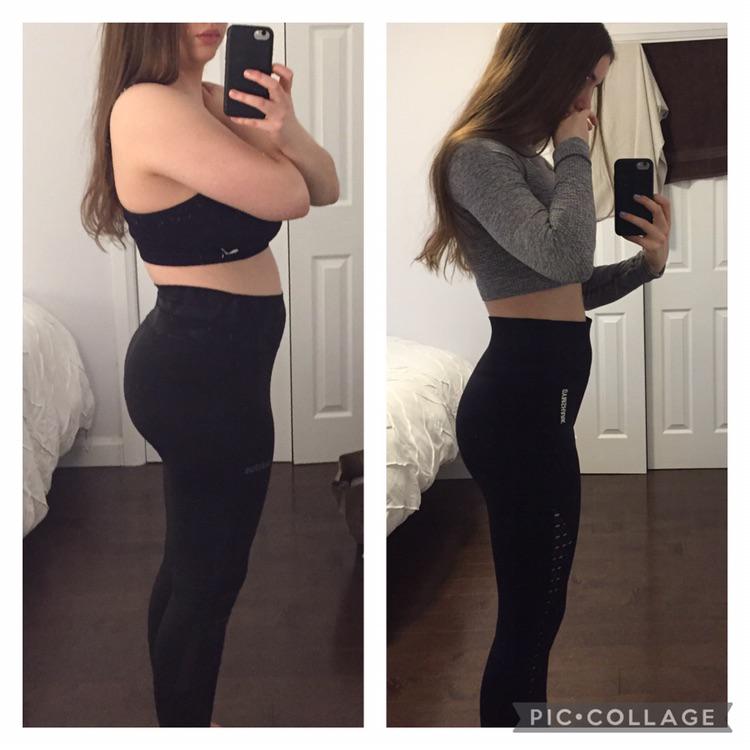
    It’s important to be patient and realistic when addressing loose skin after weight loss. While these strategies can help improve skin elasticity and firmness, it’s unlikely that you’ll achieve completely taut skin without surgical intervention. Embrace your body’s natural transformation and celebrate your weight loss journey, focusing on the many health benefits and improvements in quality of life that come with achieving a healthier weight.

    Conclusion

    Tightening belly skin after weight loss is possible with a combination of lifestyle changes, including gradual weight loss, hydration, nutrition, exercise, skincare, and patience. By implementing these strategies and maintaining consistency, you can promote skin elasticity, improve muscle tone, and achieve a firmer, more toned abdominal area. Remember to celebrate your accomplishments and embrace your body’s natural beauty as you continue on your journey to optimal health and wellness.

    • 1
    • 2
    • 3
    • 4
    • 5
    • 6
    • …
    • 19

    Categories

    • Weight Loss

    Date Posts

    December 2025
    M T W T F S S
    1234567
    891011121314
    15161718192021
    22232425262728
    293031  
    « Apr    

    Tags

    how to lose weight fast weight loss at home weight loss diet

    Blog Posts

    Set post(s) as "Featured" to see block

    Archives

    • April 2024
    • February 2024
    • January 2024
    • December 2023

    To receive email updates, simply provide us
    with your email address below.

      FAQs

      1. Do you accept insurance?
      2. What forms of payment are accepted?
      3. What is your cancellation policy?
      4. What should I expect during an initial evaluation?
      5. What age group can be treated?
      In case of an emergency, please call 911 or If you are our current patient and have an urgent question, you may reach me at (475)777-6912

      Our Contacts

      • Prime Weight Loss L.L.C Southbury, CT 06488
        Get directions on the map
      • 1-475-777-6912
        (24/7 General inquiry)
      • aisha@theweightdr.com
      Copyright © 2023                                                                                Prime Weight Loss L.L.C Southbury, CT 06488                                                         For emergency cases:    1-475-777-6912