1-475-777-6912
Tulip Medspa and Weight Loss, CT 06488
aisha@theweightdr.com
Tulip Medspa and Weight Loss
  • Home
  • About us
  • Contact us
  • Services
  • Consultation Fee
  • FAQs
Location
Working Time
Working Time
Mon-Thu 08:00 AM – 05:00 PM
Friday  08:00 AM – 04:00 PM
Saturday 09:00 AM – 1:00 PM
Sunday 09:00 AM – 1:00 PM
Book Appointment
Book Appointment

    Quick Pricing
    Quick Pricing
    One Hour Initial Video  Consultation On Call
    For follow-up Consultation On Call


    Emergency Case
    Emergency Case

    Emergency Case

    In  emergency, please call 911 or go to nearest emergency room.

    If you are our current patient and have an urgent question outside of the normal business hours, you may reach me at the given number

    • 1-475-777-6912
    • aisha@theweightdr.com
    Our Contact
    +
    HomeBlog Posts
    21Feb

    What Vitamins Are Good for Weight Loss

    by Aisha Khan

    Embarking on a weight loss journey often involves a multifaceted approach that includes dietary changes, exercise, and lifestyle modifications. While there’s no magic pill for shedding pounds, certain vitamins play crucial roles in supporting metabolism, energy production, making them valuable additions to a weight loss regimen. In this article, we’ll explore some of the key vitamins that are beneficial for weight loss and how they contribute to a healthy body composition.

    Vitamin D

    Vitamin D, often referred to as the "sunshine vitamin,"


    Vitamin D, often referred to as the “sunshine vitamin,” is essential for bone health, immune function, and mood regulation.

    Research suggests that obesity and difficulty in losing weight may be associated with vitamin D deficiency. Adequate levels of vitamin D link to improved insulin sensitivity, which regulates blood sugar levels and prevents fat storage.

    Sources of vitamin D include sunlight exposure, fatty fish (such as salmon and mackerel), fortified dairy products, egg yolks, and certain fortified foods. For individuals with limited sun exposure or those at risk of deficiency, vitamin D supplements may be beneficial, especially during the winter months or in regions with less sunlight.

    Must read this post: How Much Magnesium Should I Take for Weight Loss

    Vitamin B Complex

    this picture tell us about vitamin B complex


    The B vitamins, including B1 (thiamine), B2 (riboflavin), B7 (biotin), and B12 (cobalamin), play crucial roles in energy metabolism and the breakdown of carbohydrates, fats, and proteins. These vitamins help convert food into energy and support proper functioning of the nervous system.

    Certain B vitamins, including B6, B12 metabolize homocysteine,when elevated, may increase the risk of cardiovascular disease and obesity-related conditions.

    Food sources of B vitamins include whole grains, lean meats, eggs, dairy products, leafy green vegetables, legumes, and nuts. While obtaining B vitamins from food is ideal, supplementation may be necessary for individuals with dietary restrictions.

    Must read this post: How Much GABA to Take for Weight Loss

    Vitamin C

    Vitamin C boosts immunity and aids in weight management by fighting oxidative stress

    Vitamin C boosts immunity and aids in weight management by fighting oxidative stress and inflammation, crucial factors in obesity and metabolic syndrome.

    . Additionally, vitamin C participates in the synthesis of carnitine, a compound that assists the body in converting fat into energy.

    Citrus fruits, strawberries, kiwi, bell peppers, broccoli, and tomatoes are excellent sources of vitamin C. Adding them to your diet supports weight loss and overall health.

    Conclusion

    While vitamins aren’t a diet replacement, ensuring adequate intake supports weight loss and overall health by incorporating nutrient-rich foods.

    Consult a healthcare professional before beginning any vitamin supplementation regimen, especially if you have underlying health conditions or take medications.

    21Feb

    How Much Magnesium Should I Take for Weight Loss

    by Aisha Khan

    Magnesium is a mineral essential for numerous bodily functions, ranging from nerve function to bone health. However, its potential role in weight loss has garnered significant attention in recent years. While magnesium alone isn’t a magic bullet for shedding pounds, ensuring an adequate intake of this vital nutrient can support overall wellness and potentially contribute to weight management efforts.

    Understanding Magnesium and Weight Loss

    Magnesium plays a crucial role in various metabolic processes within the body.


    Magnesium plays a crucial role in various metabolic processes within the body. It aids in the regulation of blood sugar levels, helps metabolize carbohydrates and fats, and is involved in energy production. Furthermore, magnesium supports muscle and nerve function, which are integral aspects of physical activity and exercise – key components of any weight loss journey.

    Research suggests that magnesium deficiency may be associated with metabolic abnormalities and an increased risk of obesity. Inadequate magnesium levels could potentially lead to insulin resistance, inflammation, and altered lipid metabolism, all of which are factors that can contribute to weight gain and difficulty in losing excess weight.

    Must read this post: How Much GABA to Take for Weight Loss

    Recommended Magnesium Intake

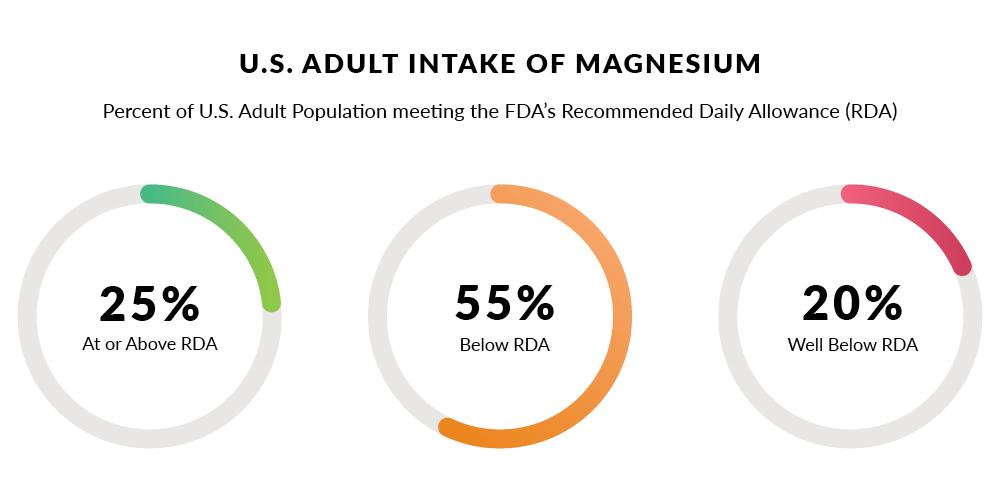
    The recommended daily allowance (RDA) for magnesium varies depending on factors such as age, sex, and individual health conditions.


    The recommended daily allowance (RDA) for magnesium varies depending on factors such as age, sex, and individual health conditions. According to the National Institutes of Health (NIH), the following are the RDAs for magnesium:

    Adult males: 400-420 mg per day
    Adult females: 310-320 mg per day
    However, some experts suggest that optimal magnesium intake for adults may be higher, ranging from 400 to 800 mg per day, particularly for individuals engaging in intense physical activity or those with certain health conditions.

    Magnesium Sources

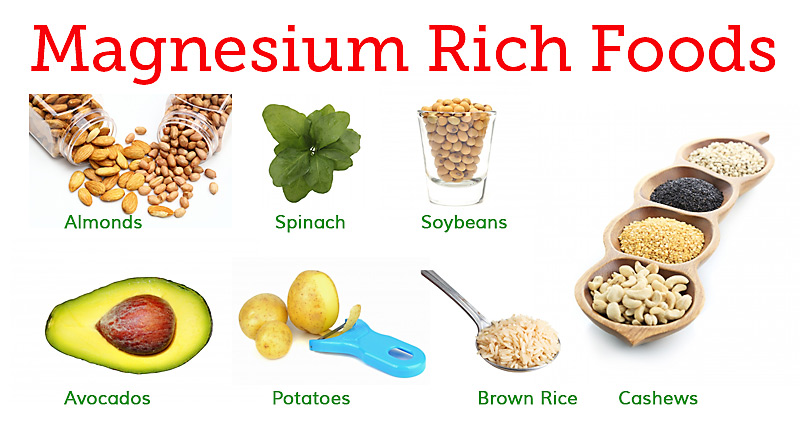
    Magnesium is found naturally in many foods, including leafy green vegetables, nuts and seeds, whole grains, legumes, and some seafood.


    Magnesium is found naturally in many foods, including leafy green vegetables, nuts and seeds, whole grains, legumes, and some seafood. Incorporating magnesium-rich foods into your diet is an excellent way to ensure an adequate intake of this essential nutrient.

    Here are some examples of magnesium-rich foods:

    Spinach, kale, and other leafy greens
    Almonds, cashews, and peanuts
    Whole grains such as brown rice, quinoa, and oats
    Legumes like black beans, chickpeas, and lentils
    Avocado
    Salmon and other fatty fish.

    Must read this post: Why is Gluten Bad for Weight Loss


    Magnesium Supplements

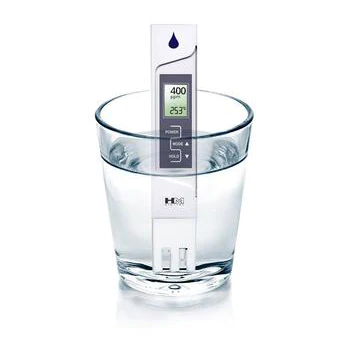
    this picture tell us about Magnesium Supplements


    While it’s ideal to obtain nutrients from whole foods whenever possible, magnesium supplements can be a convenient option for individuals who struggle to meet their daily magnesium requirements through diet alone. Magnesium supplements are available in various forms, including magnesium oxide, magnesium citrate, magnesium glycinate, and magnesium chloride.

    When considering magnesium supplementation for weight loss or overall health, it’s essential to consult with a healthcare professional to determine the appropriate dosage and form of magnesium based on individual needs and health status. Additionally, it’s important to be cautious with magnesium supplementation, as excessive intake can lead to adverse effects, including digestive upset and diarrhea.

    Conclusion


    In conclusion, while magnesium alone is unlikely to result in significant weight loss, ensuring an adequate intake of this essential mineral can support overall health and potentially aid in weight management efforts. By consuming magnesium-rich foods and, if necessary, supplementing wisely under the guidance of a healthcare provider, individuals can optimize their magnesium levels and support their journey towards achieving and maintaining a healthy weight.

    As with any dietary or lifestyle change, consistency and balance are key. Pairing a nutrient-rich diet with regular physical activity, adequate sleep, and stress management techniques can contribute to long-term weight management success and overall well-being.

    20Feb

    How Much GABA to Take for Weight Loss

    by Aisha Khan

    Gamma-aminobutyric acid, or GABA, is a neurotransmitter in the brain that plays a crucial role in regulating mood, stress response, and relaxation. In recent years, GABA supplements have gained popularity for their potential benefits in promoting weight loss and improving overall health. However, determining the appropriate dosage of GABA for weight loss can be complex and requires careful consideration of various factors.

    Understanding GABA

    GABA is known for its calming effects on the nervous system,

    Before delving into the dosage considerations, it’s essential to understand how GABA functions in the body. GABA is known for its calming effects on the nervous system, helping to reduce anxiety, promote relaxation, and improve sleep quality. Some research suggests that GABA may also influence appetite regulation and metabolic processes, making it a potential candidate for weight management.

    Dosage Recommendations

    recommended dosage of GABA for weight loss, as research on its efficacy and safety is limited.

    Currently, there is no standard recommended dosage of GABA for weight loss, as research on its efficacy and safety is limited. Dosages can vary depending on individual factors such as age, weight, overall health, and the specific formulation of the supplement.

    Must read this post: Why is Gluten Bad for Weight Loss

    Consultation with Healthcare Professionals

    They can provide personalized guidance based on your unique health profile and medical history.

    Before starting any GABA supplementation regimen for weight loss, it’s crucial to consult with a healthcare professional, such as a physician or registered dietitian. They can provide personalized guidance based on your unique health profile and medical history.

    Start Low, Go Slow

    When incorporating GABA supplements into your weight loss regimen, it’s advisable to start with a low dosage and gradually increase as needed. This approach allows you to assess your body’s response to the supplement and minimize the risk of adverse effects.

    Monitor Effects and Adjust Dosage

    Pay close attention to how your body reacts to the GABA supplementation.

    Pay close attention to how your body reacts to the GABA supplementation. Keep track of any changes in mood, energy levels, appetite, and weight loss progress. If you experience any negative side effects or discomfort, consider adjusting the dosage or discontinuing use under the guidance of a healthcare professional.

    Must read this post: What Is BMR in Weight Loss

    Consideration of Other Factors

    Keep in mind that GABA supplements should be used as part of a comprehensive weight loss strategy that includes a balanced diet, regular physical activity, adequate sleep, and stress management techniques. While GABA may offer potential benefits, it is not a substitute for healthy lifestyle habits.

    Quality and Purity

    When choosing a GABA supplement, opt for reputable brands that adhere to high-quality standards

    When choosing a GABA supplement, opt for reputable brands that adhere to high-quality standards and undergo third-partypotency. Selecting a trusted product ensures that you are receiving a safe and effective supplement.

    Conclusion

    while GABA supplements may hold promise for supporting weight loss efforts, careful consideration and consultation with healthcare professionals. By starting with a low dosage, monitoring effects closely, and prioritizing overall health , individuals can incorporate GABA supplements as part of a holistic approach to weight management. Always remember that sustainable weight loss involves lifestyle changes that promote long-term health and well-being.
    20Feb

    Why is Gluten Bad for Weight Loss

    by Aisha Khan

    In the realm of health and nutrition, gluten has garnered , often being portrayed especially for those seeking weight loss. Gluten, a protein found in wheat, barley, implicated in various health issues, gain and digestive discomfort. Let’s delve into why gluten is perceived detrimental to weight loss efforts.

    High Caloric Density

    Gluten-containing foods such as bread, pasta, and baked goods are often calorie-dense

    Gluten-containing foods such as bread, pasta, and baked goods are often nearly calorie-dense. These foods can contribute to excess calorie intake, which is a primary factor in weight gain. Many gluten-rich products also contain added sugars and fats, further increasing their caloric content.

    Lack of Nutrient Density

     While gluten-containing foods provide energy, they may lack essential nutrients such as vitamins, minerals, and fiber.

    While gluten-containing foods provide energy, they may lack essential nutrients such as vitamins,later minerals, and fiber. Consuming foods with low nutrient density can lead to overeating the nutrients it requires, weight loss efforts.

    Must read this post: How Does Semaglutide Work for Weight Loss

    Inflammatory Response

    Gluten sensitivity or intolerance is a common concern among individuals

    Gluten sensitivity or intolerance is a common concern among individuals. For those with celiac disease, an autoimmune disorder triggered by gluten consumption, ingesting gluten candamage to the small intestine. Even in non-celiac individuals, which can disrupt healthy eating patterns and impede weight loss progress.

    Processed Foods

    Many gluten-containing products are highly processed and refined, lacking the nutritional value of whole foods.

    Many gluten-containing products are highly processed and refined, the nutritional value of whole foods. Processed foods often contain additives, preservatives, and artificial flavors,and undermine efforts to maintain a healthy diet.

    Impact on Gut Health

    Researchers have linked gluten consumption to alterations in gut composition and function.. Imbalances in gut bacteria can affect digestion, nutrient absorption, and metabolism, potentially influencing body weight regulation. Research suggests that individuals with gluten sensitivity may experience changes in gut microbiota that could impact weight management.

    Mindful Eating

    Eliminating gluten from the diet can promote mindfulness and awareness of food choices.

    Eliminating gluten from the diet can promote mindfulness and awareness of food choices. Here Many glutenthat is and whole grains like quinoa and brown rice, offer nutritional benefits and support., unprocessed foods that promote satiety and long-term weight management.

    While gluten avoidance may be beneficial for certain individuals, inbrief alogh it’s essential to approach dietaryand final consideration and health status. For those experiencing adverse reactions to consulting with a healthcare professional or registered dietitian can provide personalized guidance and support.

    Must read this post: What Is BMR in Weight Loss

    Conclusion

    gluten may pose challenges for weight loss due to its caloric density, IN last coupled can be a strategy for individuals seeking to manage their weight and improve overall health. However, in last it’s important to make informed dietary choices based on individual preferences, needs, and infact medical considerations.

    19Feb

    What Is BMR in Weight Loss

    by Aisha Khan

    When it comes to weight loss, understanding body’s Basal Metabolic Rate (BMR) is crucial. first ,BMR represents the number of the maintain basic physiological functions while at rest. It forms the foundation for calculating your daily calorie needs and plays a significant role in determining your weight loss journey. here Let’s delve into what BMR is and how it impacts weight loss:

    Defining Basal Metabolic Rate (BMR)

     (BMR) refers to the number of calories your body requires to sustain essential functions


    Basal Metabolic Rate (BMR) refers to the number of calories your to essential functions such as breathing, and organ function while at rest. here In other words, it’s theyour body needs alive and maintain basic bodily functions.

    Factors Influencing BMR


    Several factors influence an individual’s BMR, including:

    Body Composition

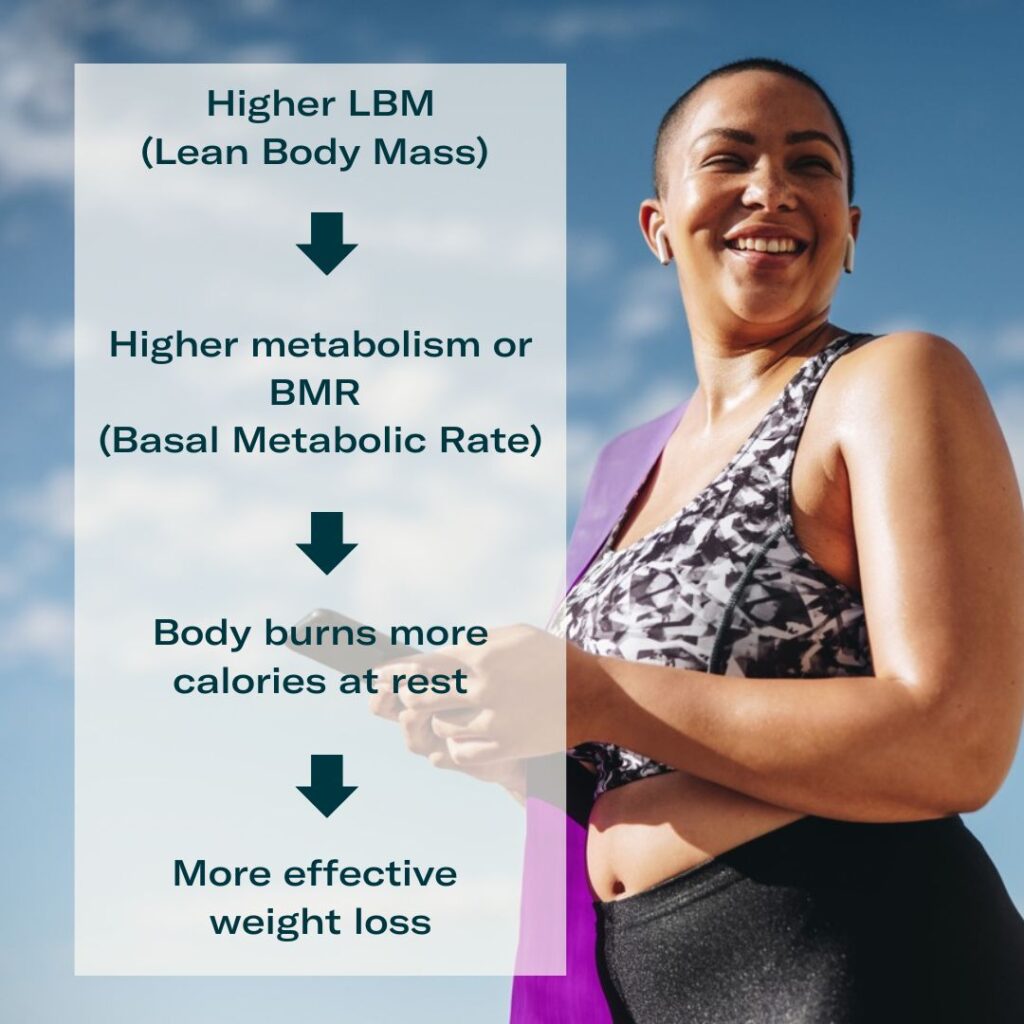
    Lean muscle mass typically increases BMR, while a higher percentage of body.


    Age

    BMR to decrease with age due to loss of muscle and changes in hormone levels.


    Gender

    Men generallya higher BMR than women, primarily due to differences body composition and muscle mass.


    Genetics

    Genetic factors can influence metabolic rate and energy expenditure.


    Thyroid Function

    Thyroid hormones play a key role in regulating metabolism, and thyroid disorders can affect BMR.

    Must read this post: How Does Semaglutide Work for Weight Loss

    Importance in Weight Loss

    Understanding your BMR is crucial for effective weight loss


    Understanding your BMR is crucial for effective weight loss for several reasons including:

    Calorie Calculation

    BMR serves as the starting point for calculating your Total Daily Energy Expenditure (TDEE), which represents the total number of calories your body needs based on activity level and other factors.


    Caloric Deficit

    To lose weight, create a caloric deficit by consuming fewer calories than your TDEE. Infact Knowing your BMR helps you determine how many calories to consume daily to achieve your weight loss goals.


    Individualized Approach

    Calculating your BMR allows for a personalized approach to weight loss, infact taking into account your unique metabolic needs and activity level.

    Calculating BMR


    Several formulas can estimate BMR, Here with the most commonly used being the Harris-Benedict equation. This equation takes into account gender, age, weight, and height to estimate BMR. Alternatively, online calculators and apps can provide quick estimates of BMR based on inputted data later.

    Incorporating BMR into Weight Loss Strategies

    Once you have calculated your BMR, you can use it as a foundation for developing a weight loss plan:


    Once you have , you can use it as a foundation for developing a weight loss plan:

    Must read this post: What Should My Macros Be for Weight Loss

    Create a Caloric Deficit

    Determine your daily calorie needs by considering your BMR and activity level. Aim for a moderate caloric deficit to promote gradual and sustainable weight loss.


    Monitor Progress

    Regularly track your calorie intake and weight to assess progress and make adjustments as in brife needed.


    Incorporate Exercise

    Physical activity can increase calorie expenditure and complement your weight loss efforts. that is Combining a balanced diet with regular exercise can help you achieve optimal results.

    Conclusion

    Basal Metabolic Rate (BMR) serves as a fundamental component of weight loss, infact providing insights into your body’s energy needs at rest. since By understanding your BMR and incorporating it into your weight loss strategy, you can take a personalized approach to achieve your goals effectively and sustainably.

    19Feb

    How Does Semaglutide Work for Weight Loss

    by Aisha Khan

    Semaglutide, a medication originally developed to treat type 2 diabetes, has garnered attention in recent years for its potential as a weight loss therapy. Marketed under the brand name Wegovy (formerly known as Ozempic), semaglutide of drugs called glucagon-like peptide-1 receptor agonists (GLP-1 RAs). Here’s a closer look at how semaglutide works for weight loss and its mechanism of action:

    GLP-1 Receptor Agonist

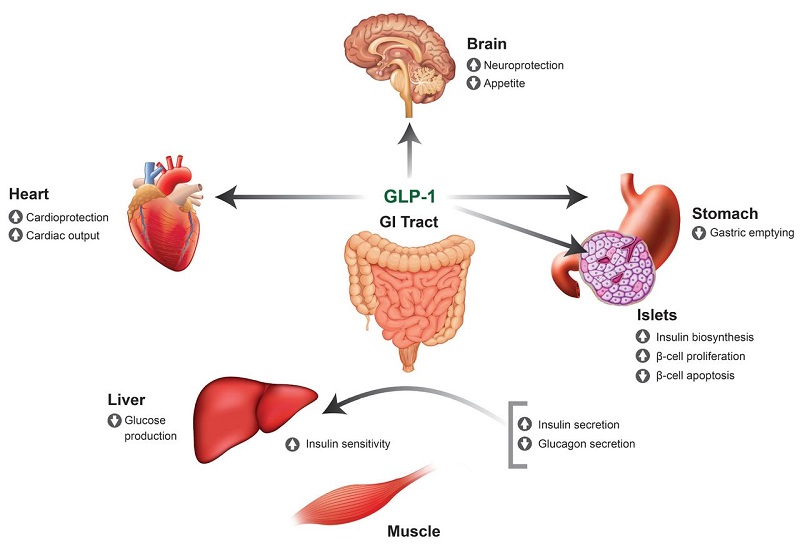
    Semaglutide acts as a GLP-1 receptor agonist, mimicking the effects of a natural hormone called glucagon-like peptide-1 (GLP-1).


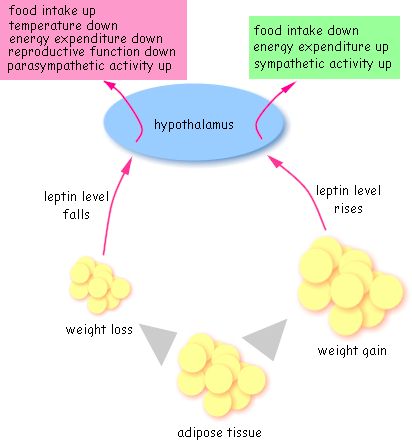
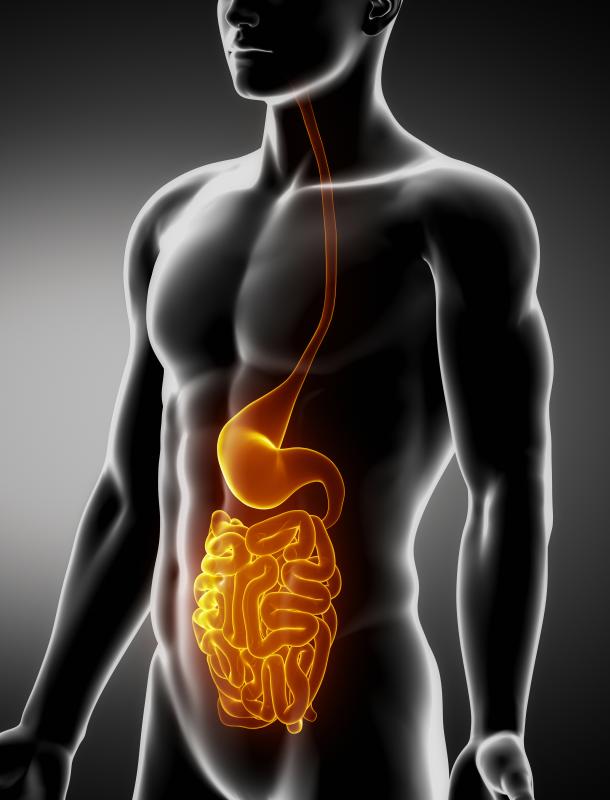
    Semaglutide acts as a GLP-1 receptor agonist, mimicking the effects of a natural hormone called glucagon-like peptide-1 (GLP-1). GLP-1 is released from the gut in response to food intake and plays a crucial role in regulating blood sugar levels, appetite, and metabolism.

    Appetite Regulation

    One of the primary mechanisms by which semaglutide promotes weight loss is through appetite suppression.


    One of the primary mechanisms by which semaglutide promotes weight loss is through appetite suppression. By activating GLP-1 receptors in the brain, semaglutide helps reduce feelings of hunger and increase feelings of fullness, leading to reduced food intake and calorie consumption. Semaglutide Work for Weight Loss

    Delayed Gastric Emptying

    which helps stabilize blood sugar levels and prolongs the feeling of satiety after meals.


    Semaglutide also slows down the emptying of the stomach,blood sugar levels and prolongs the feeling of satiety after meals. This delayed gastric emptying can contribute to lower postprandial blood glucose levels and reduced food cravings throughout the day.

    Must read this post: What Should My Macros Be for Weight Loss

    Increased Energy Expenditure


    In addition to appetite suppression andsemaglutide may also increase energy expenditure, leading to greater calorie burn and fat loss. Studies suggest that GLP-1 receptor agonists like semaglutide may enhance thermogenesis and promote the oxidation of fat for energy. Semaglutide Work for Weight Loss

    Clinical Trials and Efficacy


    Clinical trials evaluating the efficacy of semaglutide for weight loss have shown promising results. In the STEP (Semaglutide Treatment Effect in People with obesity) trials, experienced significant weight loss compared to those receiving a placebo. The trials also demonstrated improvements in cardiometabolic risk factors such as blood pressure,and glycemic control.

    Dosage and Administration

    Semaglutide for weight loss is typically administered once weekly via subcutaneous injection.


    Semaglutide for weight loss is via subcutaneous injection. The recommended dosage may vary depending on individual patient characteristics and treatment goals. It is important to follow the prescribing instructions provided by healthcare professionals and adhere to the prescribed dosage regimen.

    Must read this post: How to Balance Your Hormones for Weight Loss

    Safety and Side Effects


    While semaglutide is generally well-tolerated, it may cause side effects such, and abdominal discomfort. Patients adverse reactions, especially during the of treatment.Semaglutide Work for Weight Loss

    Conclusion


    Semaglutide, a GLP-1 receptor agonist originally developed for the treatment of type 2 diabetes, has emerged as a promising therapy for weight loss. By modulating appetite, delaying gastric emptying, and increasing energy expenditure, semaglutide helps individuals achieve sustainable weight loss and improve cardiometabolic health. While further research is needed to fully profile, a valuable addition to the armamentarium of weight loss treatments.

    • 1
    • …
    • 12
    • 13
    • 14
    • 15
    • 16
    • …
    • 29

    Categories

    • Weight Loss
    • s
    • game
    • ufavip777
    • Finance, Real Estate
    • 4

    Date Posts

    May 2026
    M T W T F S S
     123
    45678910
    11121314151617
    18192021222324
    25262728293031
    « Apr    

    Tags

    Lucky Bear Casino

    Blog Posts

    Set post(s) as "Featured" to see block

    Archives

    • April 2026
    • March 2026
    • April 2024
    • March 2024
    • February 2024
    • January 2024
    • December 2023
    • August 2023
    • April 2023

    2

    To receive email updates, simply provide us
    with your email address below.

      FAQs

      1. Do you accept insurance?
      2. What forms of payment are accepted?
      3. What is your cancellation policy?
      4. What should I expect during an initial evaluation?
      5. What age group can be treated?
      In case of an emergency, please call 911 or If you are our current patient and have an urgent question, you may reach me at (475)777-6912

      Our Contacts

      • Prime Weight Loss L.L.C Southbury, CT 06488
        Get directions on the map
      • 1-475-777-6912
        (24/7 General inquiry)
      • aisha@theweightdr.com
      Copyright © 2023                                                                                Prime Weight Loss L.L.C Southbury, CT 06488                                                         For emergency cases:    1-475-777-6912