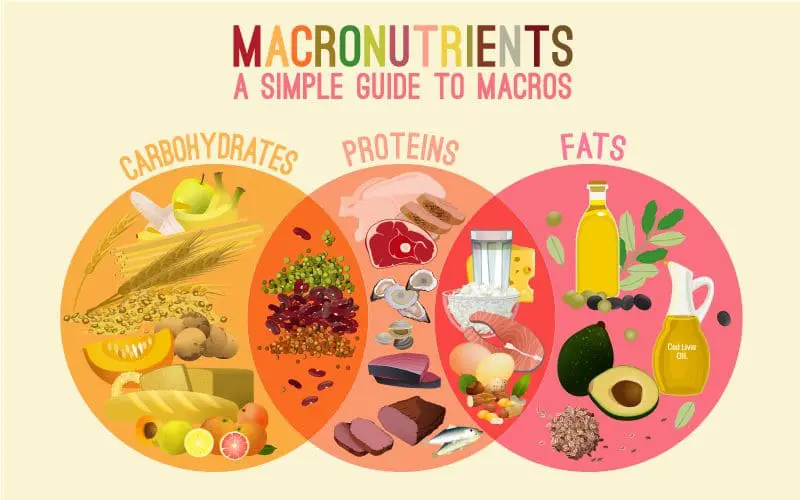
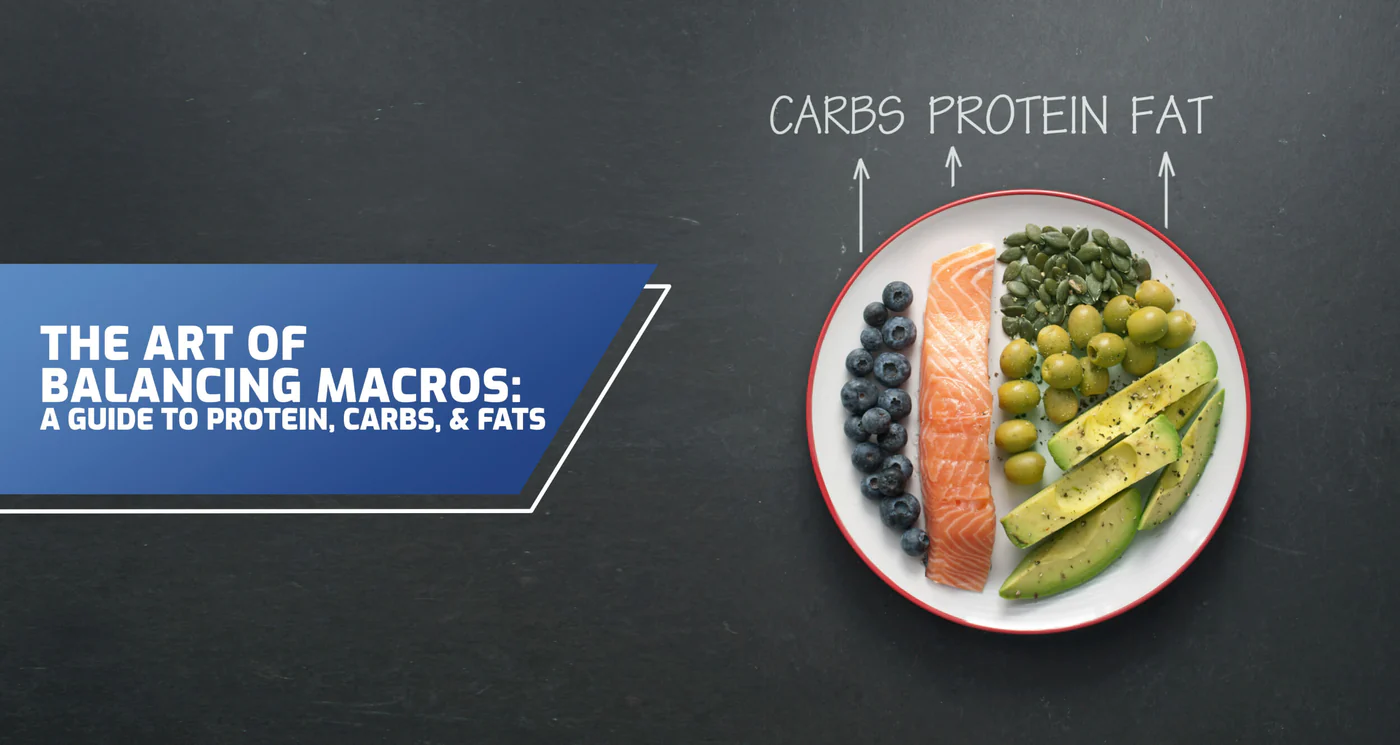
Achieving weight loss goals involves more than just reducing calories. It also requires paying attention to macronutrients, or macros, which are the essential nutrients our bodies need in large amounts: carbohydrates, proteins, and fats. Understanding the role of macros and how to balance them appropriately can be key to successful weight loss.
Understanding Macronutrients
Carbohydrates (Carbs)
Carbs are the body’s primary source of energy and are found in foods like grains, fruits, vegetables, and legumes. While they’re often demonized in some weight loss circles, carbs are essential for fueling workouts and providing energy for daily activities.
Proteins
Proteins are the building blocks of muscle, skin, hair, and other tissues. They also play a crucial role in repairing and maintaining body tissues and supporting immune function. Protein-rich foods include meat, poultry, fish, eggs, dairy products, legumes, nuts, and seeds.
Fats
Fats are important for hormone production, brain function, and the absorption of fat-soluble vitamins (A, D, E, and K). Healthy fats include avocados, nuts, seeds, olive oil, fatty fish, and coconut oil. While high in calories, fats can help keep you feeling full and satisfied.
Calculate Your Total Daily Energy Expenditure (TDEE)
Your TDEE is the total number of calories your body burns in a day, including through physical activity and exercise. Online calculators can provide estimates based on factors like age, gender, weight, height, and activity level.
Set Your Caloric Deficit
To lose weight, you need to consume fewer calories than your TDEE. A moderate caloric deficit of 500 to 750 calories per day is generally considered sustainable and effective for gradual weight loss.
Distribute Your Macros
Once you have your total calorie target, you can determine how to distribute your macros within that calorie limit. While individual needs vary, a common
macronutrient distribution for weight loss is
Carbohydrates: 45-65% of total calories Proteins: 15-30% of total calories Fats: 20-35% of total calories
Adjust Based on Goals and Preferences
Your macro distribution may vary based on factors like dietary preferences, activity level, metabolic rate, and weight loss goals. Some people may prefer higher protein or lower carbohydrate diets, while others may thrive on a more balanced approach.
Tips for Balancing Macros
Prioritize Whole Foods
Focus on nutrient-dense, whole foods that provide a balance of macronutrients, vitamins, and minerals. Incorporate plenty of fruits, vegetables, lean proteins, whole grains, and healthy fats into your meals.
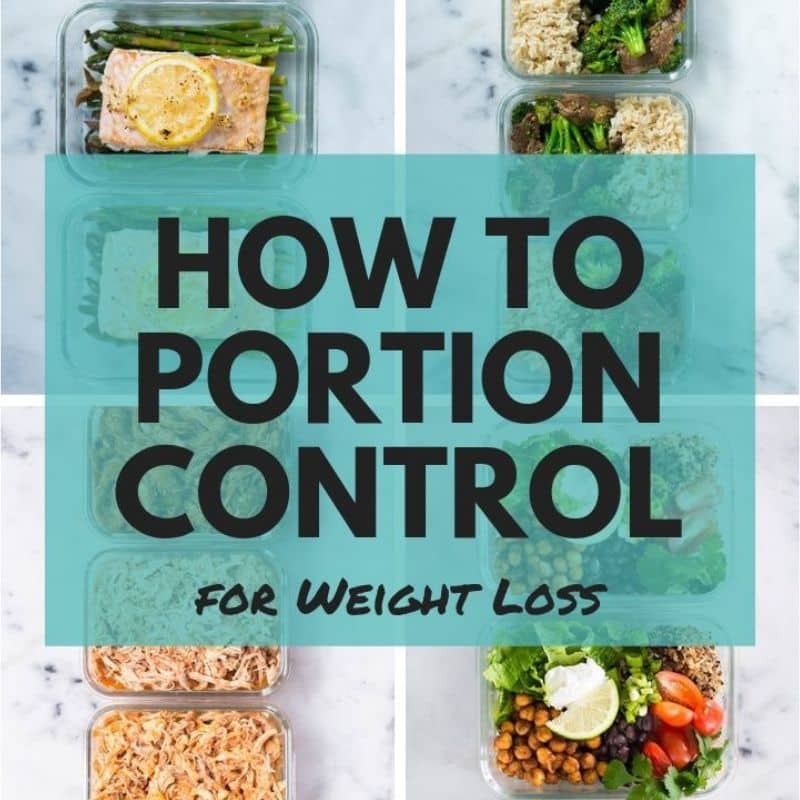
Pay attention to portion sizes and avoid overeating, even with healthy foods. Be mindful of serving sizes and practice portion control to avoid consuming excess calories.
Track Your Intake
Consider using a food tracking app or journal to monitor your daily intake of macros and calories. This can help you stay accountable and make adjustments as needed to stay on track with your weight loss goals.
Stay Hydrated
Drink plenty of water throughout the day to support hydration and overall health. Sometimes, thirst can be mistaken for hunger, leading to unnecessary snacking or overeating.
Be Patient and Consistent
Weight loss takes time, and progress may not always be linear. Focus on making sustainable lifestyle changes and be patient with yourself as you work towards your goals.
Conclusion
Balancing macros for weight loss involves understanding your body’s energy needs and distributing your intake of carbohydrates, proteins, and fats accordingly. By focusing on nutrient-dense whole foods, monitoring portion sizes, and staying consistent with your efforts, you can optimize your macros for successful and sustainable weight loss.
In the pursuit of weight loss, many people focus solely on diet and exercise while overlooking the crucial role hormones play in regulating metabolism and body composition. Hormonal imbalances can disrupt the body’s ability to burn fat efficiently, leading to stubborn weight gain and difficulty in shedding pounds. Fortunately, by understanding how hormones influence weight loss and adopting lifestyle changes to balance them, individuals can achieve sustainable and long-term success in their weight loss journey.
Understanding Hormonal Imbalances
Hormones act as messengers in the body, regulating various physiological processes, including metabolism, appetite, and fat storage. Several hormones play key roles in weight management:
Insulin
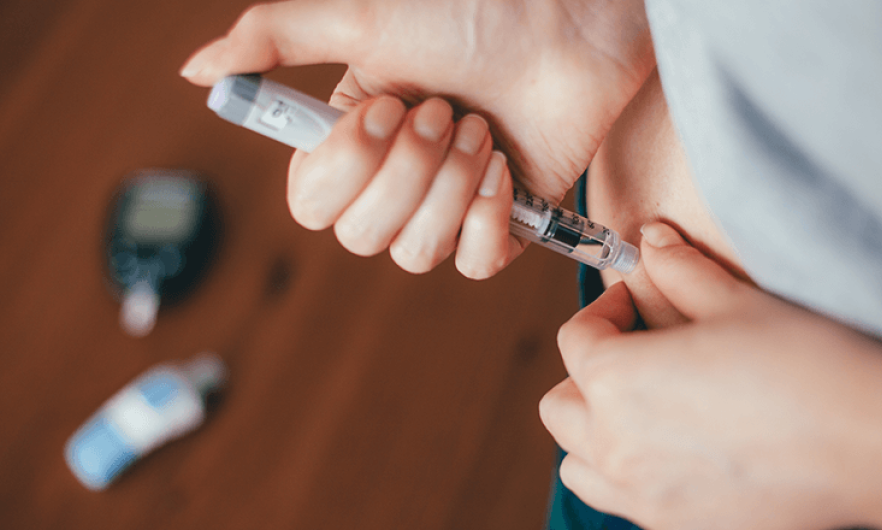
Produced by the pancreas, insulin helps regulate blood sugar levels by facilitating the uptake of glucose into cells for energy. Insulin resistance, a condition where cells become less responsive to insulin, can lead to elevated blood sugar levels and increased fat storage, particularly around the abdomen.
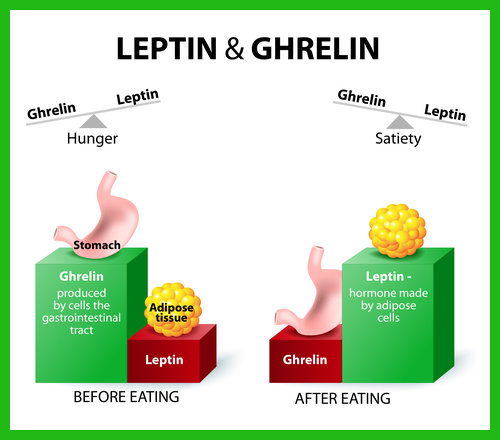
Leptin, known as the “satiety hormone,” signals to the brain when we’re full and helps regulate appetite. Ghrelin, on the other hand, stimulates hunger and promotes food intake. Imbalances in leptin and ghrelin levels can disrupt hunger signals, leading to overeating and weight gain.
Cortisol
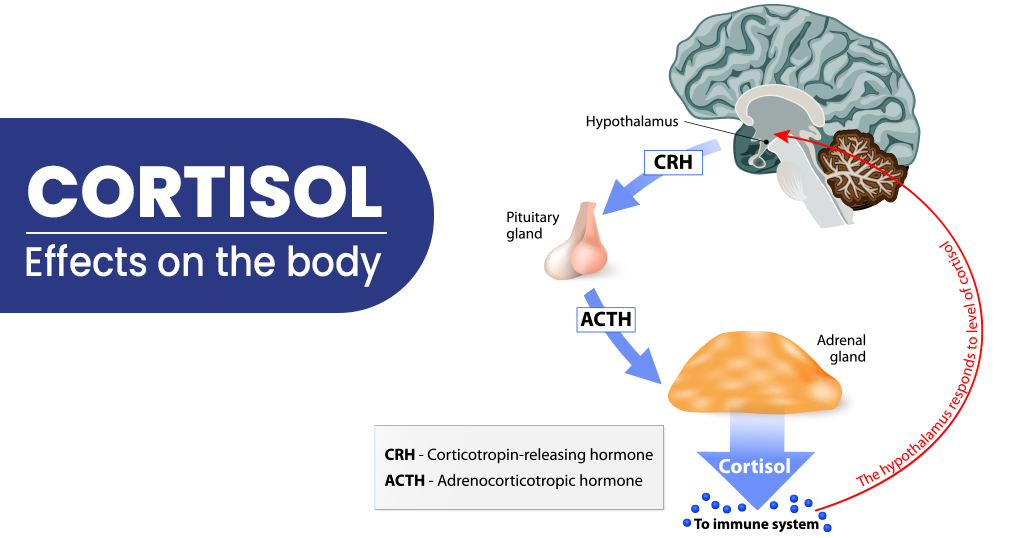
Referred to as the “stress hormone,” cortisol is released in response to stress and helps regulate metabolism, blood sugar levels, and immune function. Chronic stress can elevate cortisol levels, which may contribute to increased abdominal fat deposition and metabolic dysfunction.
Thyroid Hormones
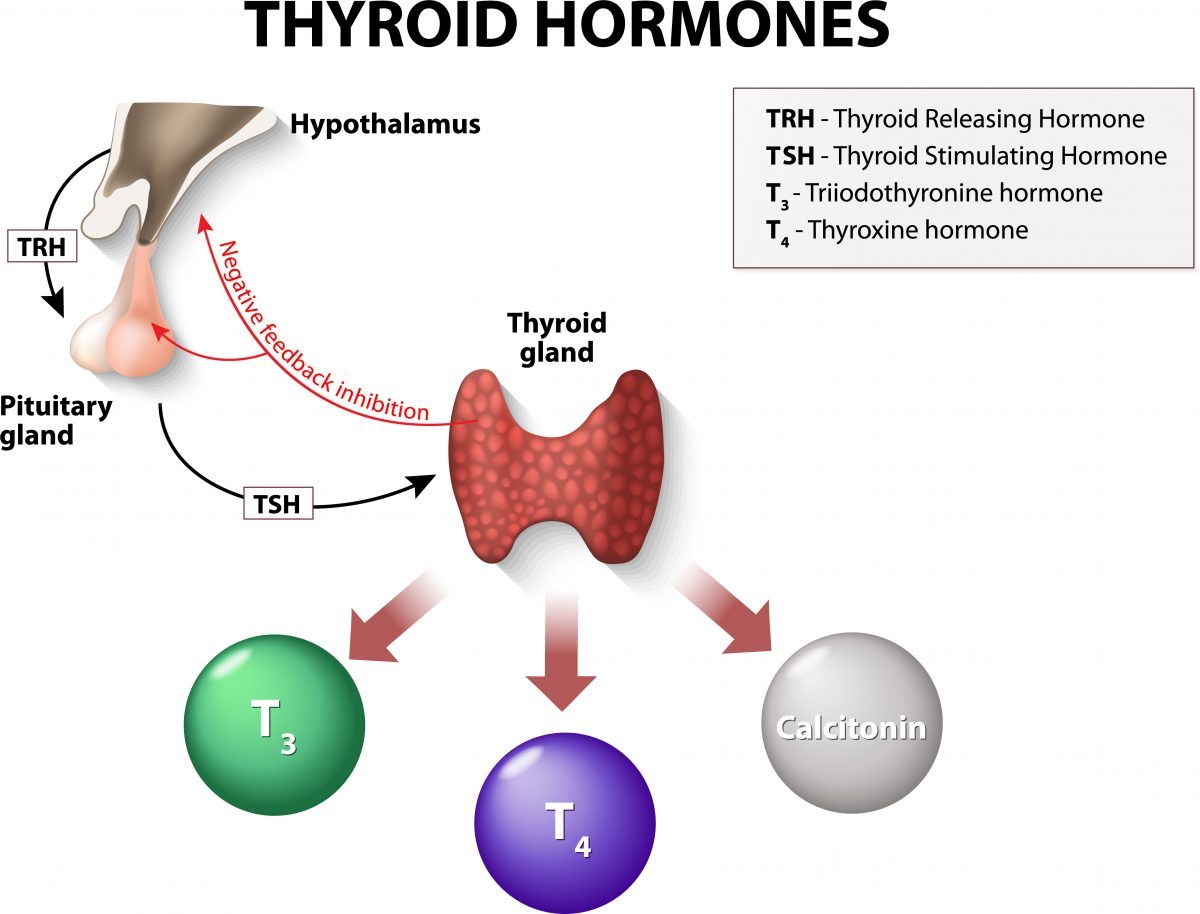
Thyroid hormones, including T3 and T4, play a crucial role in regulating metabolism and energy production. Hypothyroidism, Balance Your Hormones characterized by an underactive thyroid gland, can slow down metabolism and lead to weight gain, fatigue, and other symptoms.
Strategies to Balance Hormones for Weight Loss
Eat a Balanced Diet
Focus on whole, nutrient-dense foods such as fruits, vegetables, lean proteins, healthy fats, and complex carbohydrates. Incorporate fiber-rich foods to support digestive health and stabilize blood sugar levels.
Practice stress-reduction techniques such as meditation, deep breathing exercises, yoga, or spending time in nature. Prioritize sleep and aim for 7-9 hours of quality sleep each night to support hormonal balance and overall well-being.
Exercise Regularly
Engage in a combination of aerobic exercise, strength training, and flexibility exercises to support metabolic health and hormone balance. Aim for at least 150 minutes of moderate-intensity exercise per week.
Limit Sugar and Processed Foods
Minimize consumption of refined carbohydrates, sugary snacks, and processed foods, which can spike blood sugar levels and contribute to insulin resistance and hormonal imbalances.
Stay Hydrated
Drink an adequate amount of water throughout the day to support hydration and metabolic function. Limit intake of sugary beverages and alcohol, which can disrupt hormone levels and contribute to weight gain.
Consider Hormone Testing
If you suspect hormonal imbalances are hindering your weight loss efforts, consult with a healthcare professional who can perform hormone testing and provide personalized recommendations for treatment and management.
Conclusion
Achieving and maintaining weight loss involves more than just calorie counting and exercise. Hormonal balance plays a crucial role in regulating metabolism, appetite, and fat storage. By adopting healthy lifestyle habits that support hormonal balance, individuals can optimize their weight loss efforts and improve overall health and well-being in the long term.
Losing weight is a remarkable achievement that comes with numerous health benefits and a newfound sense of confidence. However, for many individuals who have undergone significant weight loss, loose or sagging skin around the belly area can be a concern. Fortunately, there are effective strategies available to help tighten belly skin and improve overall body contour after weight loss. we’ll explore practical methods and lifestyle changes that can promote skin elasticity
Gradual Weight Loss
Gradual weight loss is key to minimizing excess skin after significant weight loss. Rapid weight loss can lead to a loss of for the skin to adapt to your new body size. Aim for a slow and steady weight loss of 1-2 pounds per week to give and tighten naturally.
Stay Hydrated
Proper hydration is essential for maintaining skin elasticity and overall skin health. Drinking an adequate amount of water helps keep your skin hydrated, supple, and resilient. Aim to drink at least 8-10 glasses of water per day to support optimal skin hydration and promote skin elasticity.
Eat a Nutrient-Rich Diet
Eating a balanced diet rich in vitamins, minerals, and antioxidants can help support skin health and promote collagen production, healthy fats in your diet to provide your skin with the nutrients it needs to stay healthy and resilient.
Incorporating both cardiovascular exercise and strength training improve muscle tone and promote fat loss, which may contribute to tighter skin. Cardiovascular exercises or swimming help burn training exercises help build muscle mass and improve overall body contour.
Focus on Core Strengthening Exercises
Sporty black woman doing exercises on yoga mat, standing in half bridge pose indoors, side view. Attractive African American lady doing asana for abs muscles strength, staying fit and healthy at home
Targeted exercises that engage the muscles of the abdomen can help tighten and tone the belly area. Incorporate exercises such as planks, crunches, leg raises, to strengthen the muscles of the core and improve overall muscle tone.
Use Skin-Tightening Creams and Lotions
There are numerous over-the-counter creams and lotions available that claim to help tighten loose skin. While these products may not produce dramatic results, , which may contribute to improved skin elasticity over time. Look for products containing ingredients such as retinol,and peptides, which have been shown to support skin health and firmness.
Non-invasive cosmetic treatments such as radiofrequency therapy, ultrasound therapy, laser therapy, and microneedling can help stimulate collagen production and tighten loose skin. These treatments are performed by trained professionals and can help improve the appearance of sagging skin without the need for surgery.
Be Patient and Realistic
It’s important to be patient and realistic when addressing loose skin after weight loss. While these strategies can help improve skin elasticity and firmness, it’s unlikely that you’ll achieve completely taut skin without surgical intervention. Embrace your body’s natural transformation and celebrate your weight loss journey, focusing on the many health benefits and improvements in quality of life that come with achieving a healthier weight.
Conclusion
Tightening belly skin after weight loss is possible with a combination of lifestyle changes, including gradual weight loss, hydration, nutrition, exercise, skincare, and patience. By implementing these strategies and maintaining consistency, you can promote skin elasticity, improve muscle tone, and achieve a firmer, more toned abdominal area. Remember to celebrate your accomplishments and embrace your body’s natural beauty as you continue on your journey to optimal health and wellness.
Achieving and maintaining a healthy weight involves a combination of factors, including diet, exercise, lifestyle habits, and overall well-being. While vitamins and supplements can play a supportive role in weight loss efforts, they are not a substitute for a balanced diet and regular physical activity. However, certain vitamins can help support metabolic function, energy production, and overall health, which may contribute to weight loss goals. In this article, we’ll explore key vitamins that may aid in weight loss and how to incorporate them into your wellness routine.
vitamin D
Vitamin D plays a crucial role in regulating metabolism and supporting overall health. Adequate levels of vitamin D have been associated with improved weight management and reduced risk of obesity. Sources of vitamin D include sunlight exposure, fatty fish (such as salmon and mackerel), fortified dairy products, and supplements.
Vitamin B Complex
The B vitamins, including B1 (thiamine), B2 (riboflavin), B3 (niacin), B5 (pantothenic acid), B6 (pyridoxine), B7 (biotin), B9 (folate), and B12 (cobalamin), play a key role in energy metabolism and the breakdown of carbohydrates, fats, and proteins. B vitamins help convert food into energy, which is essential for fueling physical activity and supporting weight loss efforts. Sources of B vitamins include whole grains, lean proteins, leafy greens, nuts, seeds, and fortified foods.
Vitamin C is an antioxidant that supports immune function, collagen production, and overall health. Some research suggests that vitamin C may help enhance fat oxidation during exercise and promote weight loss. Citrus fruits, berries, kiwi, bell peppers, and leafy greens are excellent sources of vitamin C.
Vitamin E
37091717 – close up of female hands with bottle of capsules
Vitamin E is an antioxidant that helps protect cells from oxidative damage and supports immune function. While research on vitamin E and weight loss is limited, adequate levels of vitamin E are essential for overall health and may indirectly support weight management. Nuts, seeds, leafy greens, and vegetable oils are rich sources of vitamin E.
Magnesium
Magnesium is a mineral involved in over 300 biochemical reactions in the body, including energy metabolism, muscle function, and nerve transmission. Adequate magnesium levels have been associated with improved insulin sensitivity and glucose metabolism, which may support weight loss goals. Sources of magnesium include nuts, seeds, whole grains, leafy greens, and legumes.
Calcium
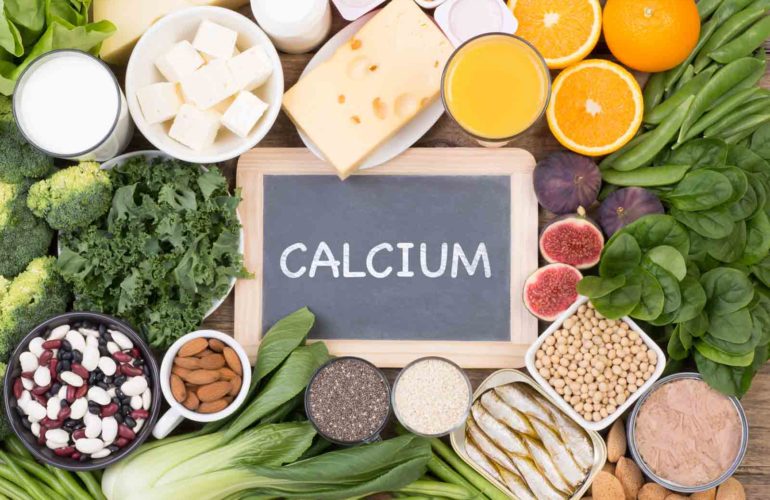
Calcium is essential for bone health, muscle function, and nerve transmission. Some research suggests that calcium may play a role in regulating body weight and promoting fat loss. Adequate calcium intake, along with vitamin D, may help support metabolic function and reduce fat storage. Dairy products, leafy greens, fortified foods, and supplements are sources of calcium.
Iron
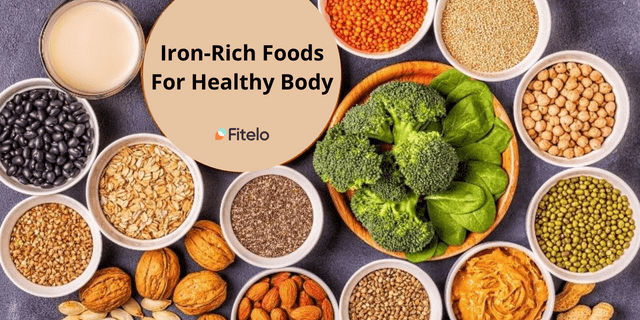
Iron is essential for the production of hemoglobin, which carries oxygen to cells and tissues throughout the body. .Include iron-rich foods such as lean meats, poultry, fish, beans, lentils, spinach, and fortified cereals in your diet to support overall health and energy levels.
While not a vitamin, dietary fiber plays a crucial role in promoting satiety, regulating blood sugar levels, and supporting digestive health. High-fiber foods help keep you feeling full and satisfied, which can aid in weight management by reducing calorie intake and supporting healthy digestion. Include fiber-rich foods such as fruits, vegetables, whole grains, legumes, and nuts in your meals and snacks.
Conclusion
while vitamins and supplements can complement a healthy lifestyle and support weight loss goals, they should be viewed as part of a comprehensive approach that includes a balanced diet, regular physical activity, adequate sleep, and stress management. Before starting any new supplement regimen, consult with a healthcare professional or registered dietitian to ensure that your nutritional needs are met and that supplements are appropriate for you. A personalized approach that focuses on overall health and well-being is key to achieving sustainable weight loss and optimal health.
Entering your 40s can bring about a myriad of changes, including shifts in metabolism, hormonal fluctuations, and evolving lifestyle patterns. While Jumpstart Weight Loss might seem more challenging than in your younger years, it’s entirely achievable with the right approach and mindset. Jumpstarting weight loss after 40 requires a combination of tailored strategies that address the unique needs of your body at this stage of life. In this article, we’ll explore effective methods to kickstart your weight loss journey and promote a healthier lifestyle beyond 40.
Understand Your Body
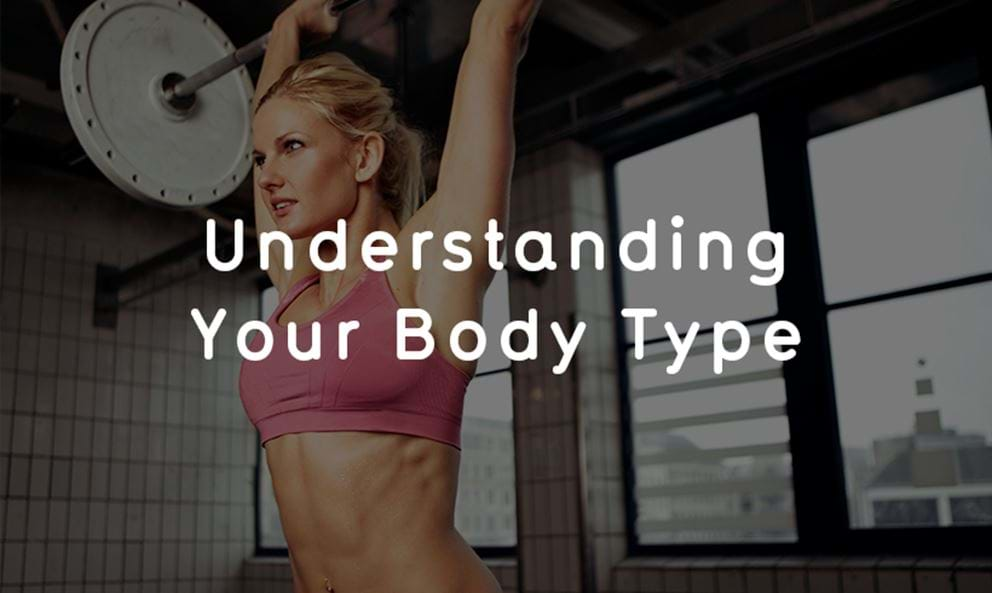
Before embarking on any weight loss journey, it’s crucial to understand how your body changes with age. Metabolism tends to slow down as we age, meaning the body burns fewer calories at rest. Hormonal changes, particularly in women during menopause, can also impact weight distribution and metabolism. By acknowledging these changes, you can approach weight loss with realistic expectations and targeted strategies.
Prioritize Nutrition
Nutrition plays a central role in weight loss, especially as we age. Focus on consuming a balanced diet rich in whole foods, including fruits, vegetables, lean proteins, whole grains, and healthy fats. Avoid highly processed foods, sugary snacks, and excessive alcohol intake, as they can contribute to weight gain and hinder your progress. Consider working with a registered dietitian to develop a personalized meal plan that aligns with your nutritional needs and weight loss goals.
Pay attention to portion sizes to prevent overeating and promote mindful eating habits. Use smaller plates and utensils to help regulate portion sizes and avoid consuming more calories than necessary. Be mindful of portion distortion when dining out, and consider splitting entrees or opting for smaller portions when possible Jumpstart Weight Loss
Incorporate Strength Training
Strength training is essential for preserving muscle mass, boosting metabolism, and promoting fat loss. Incorporate resistance exercises such as weight lifting, bodyweight exercises, and resistance bands into your fitness routine. Aim for at least two to three strength training sessions per week, focusing on targeting major muscle groups throughout the body. Jumpstart Weight Loss
Prioritize Cardiovascular Exercise
Cardiovascular exercise is crucial for burning calories, improving cardiovascular health, and supporting weight loss efforts. Engage in aerobic activities such as walking, jogging, cycling, swimming, or dancing for at least 150 minutes per week, as recommended by health guidelines. Choose activities that you enjoy and can incorporate into your daily routine to promote consistency and adherence.
Stay Hydrated
Proper hydration is essential for overall health and can support weight loss by promoting satiety and preventing overeating. Aim to drink at least 8-10 glasses of water per day, or more if you’re physically active or in hot weather conditions. Limit consumption of sugary beverages and opt for water as your primary source of hydration.
Quality sleep and stress management are integral components of a successful weight loss journey. Aim for 7-9 hours of uninterrupted sleep per night and establish a consistent sleep schedule to support hormone regulation and metabolism. Practice stress-reducing techniques such as meditation, deep breathing exercises, yoga, or mindfulness to alleviate stress and promote emotional well-being.
Monitor Progress and Adjust Accordingly
Track your progress by monitoring changes in weight, measurements, and overall well-being. Celebrate small victories along the way and recognize that weight loss is a gradual process that requires patience and persistence. Be open to adjusting your approach based on your body’s response and consult with a healthcare professional or certified fitness trainer if needed.
Conclusion
Jumpstarting weight loss after 40 requires a holistic approach that addresses nutrition, exercise, sleep, stress management, and overall lifestyle habits. By implementing these strategies and making sustainable changes, you can achieve your weight loss goals and improve your overall health and well-being well into your 40s and beyond. Remember that every journey is unique, so embrace the process and focus on progress rather than perfection.
Embarking on a weight loss journey involves more than just stepping on a scale to track progress. While weight is a significant indicator of overall changes in body composition, it doesn’t always provide a complete picture of your health and fitness goals. By measuring specific body parts, you can gain insight into how your body is responding to your weight loss efforts and track changes in different areas. In this article, we’ll explore the body parts commonly measured for weight loss and how to effectively use these measurements to monitor progress.
Weight
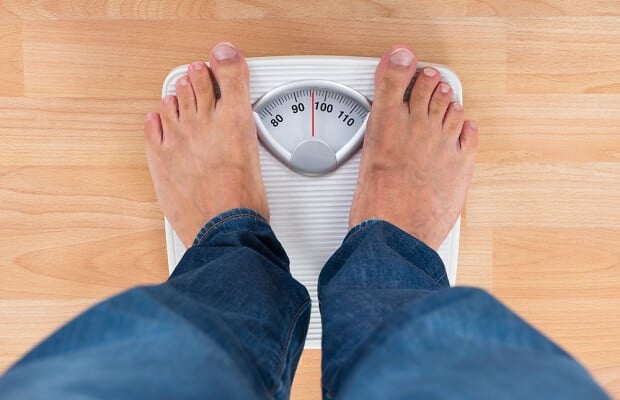
Weight measurement is the most common method used to track progress during weight loss. It provides a simple and straightforward way to monitor changes in overall body mass. However, it’s essential to recognize that fluctuations in weight can be influenced by factors such as water retention, muscle gain, and time of day.
Waist Circumference
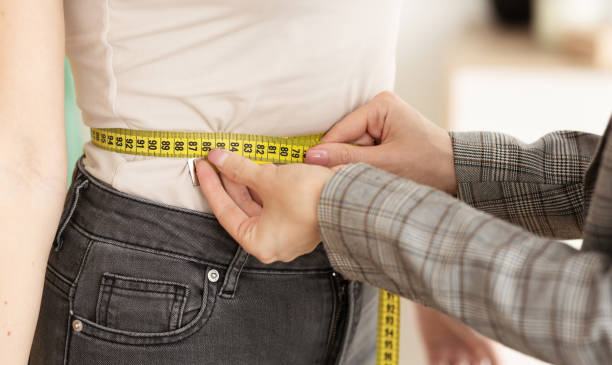
Fashion atelier. Designer measuring client’s waist with tape, working on customer’s order
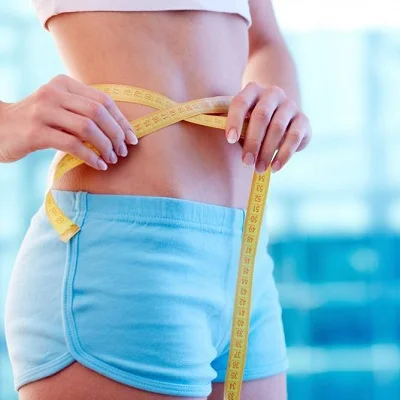
Measuring your waist circumference is a valuable indicator of abdominal fat, which is associated with an increased risk of chronic diseases such as heart disease, diabetes, and metabolic syndrome. To measure your waist circumference, use a flexible tape measure and wrap it around your waist, just above your hip bones. Keep the tape snug but not tight, and measure at the end of a normal breath.
Hip circumference measurement helps assess fat distribution and provides insight into changes in body shape. To measure your hip circumference, wrap a tape measure around the widest part of your hips and buttocks. Ensure the tape is level and parallel to the ground for accurate results.
Chest/Bust Circumference
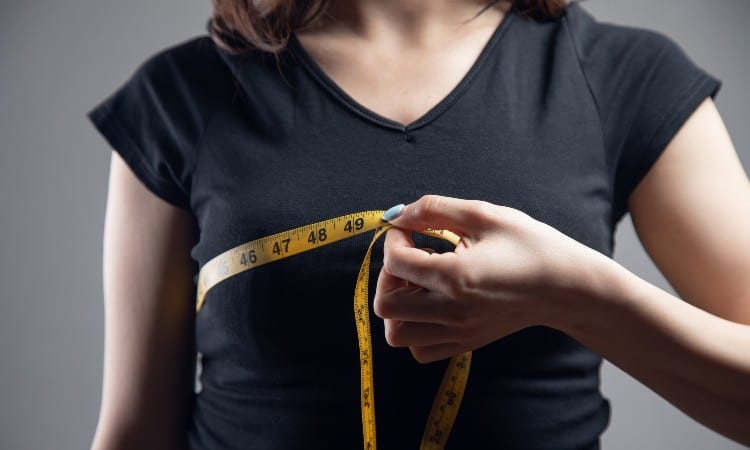
For individuals tracking changes in upper body composition, measuring chest or bust circumference can be helpful. To measure your chest or bust circumference, wrap the tape measure around the fullest part of your chest or bust, ensuring it passes over the nipples in a straight line.
Thigh Circumference
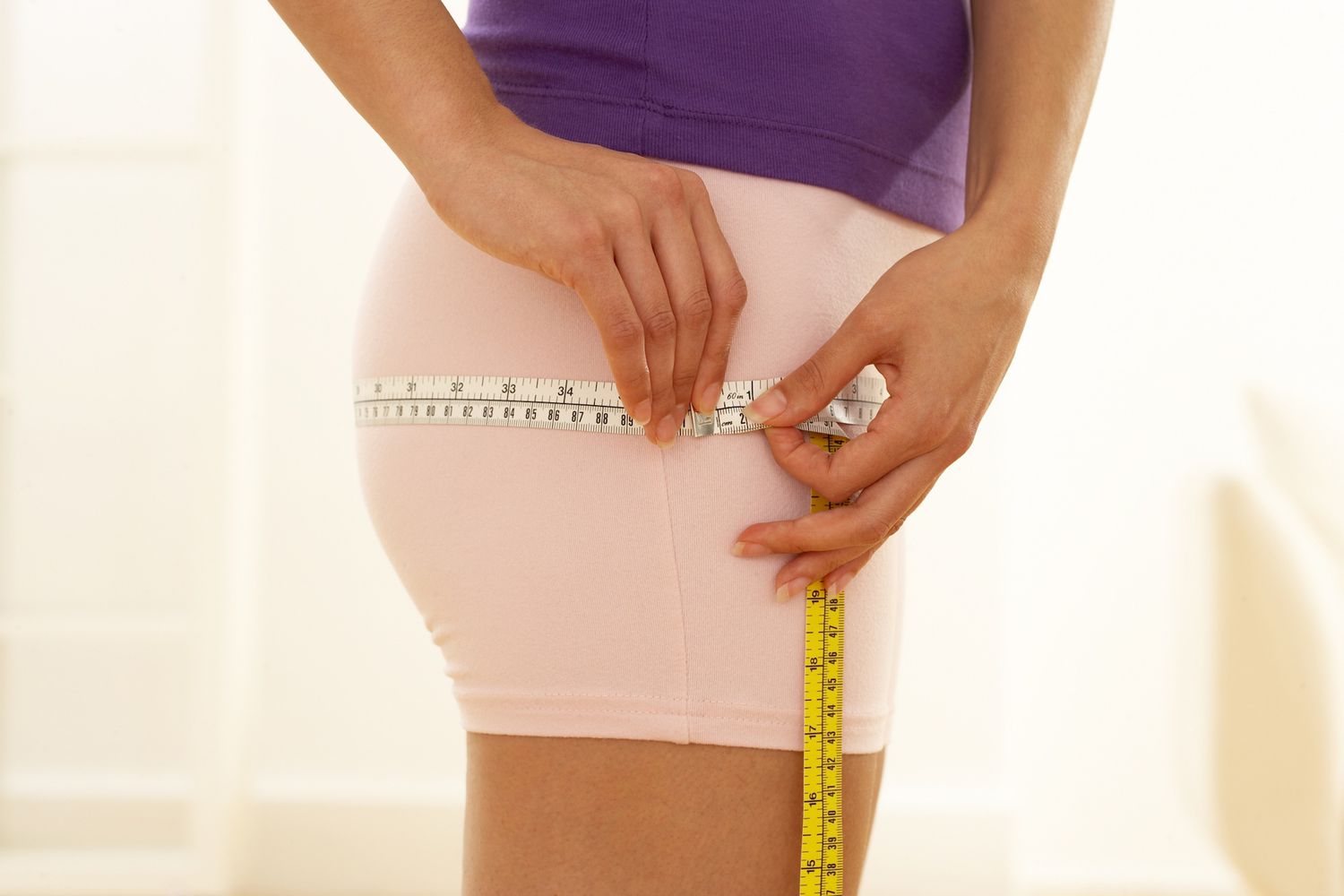
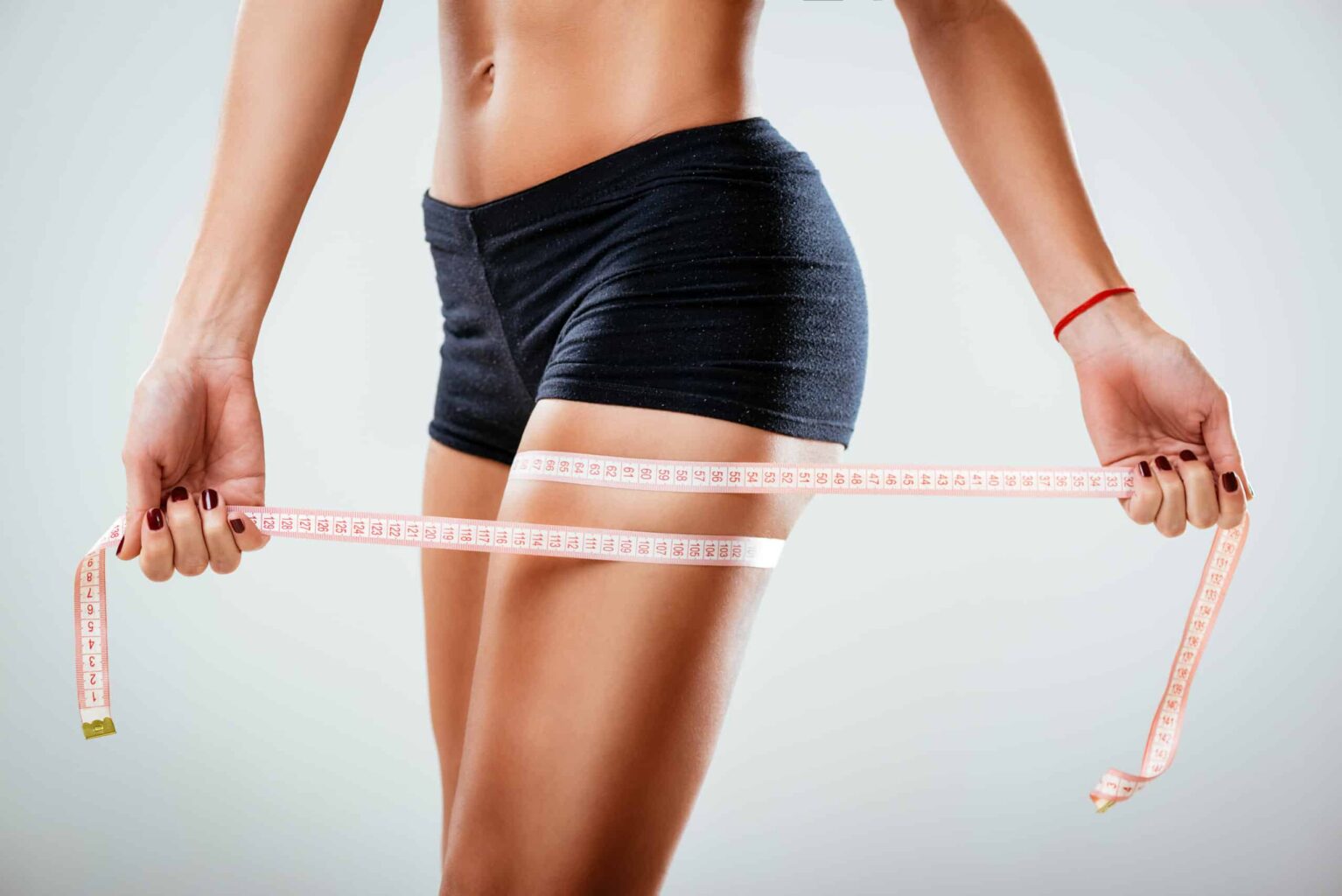
Measuring thigh circumference can help monitor changes in muscle mass and fat distribution in the lower body. To measure your thigh circumference, wrap the tape, typically midway between your hip and knee.
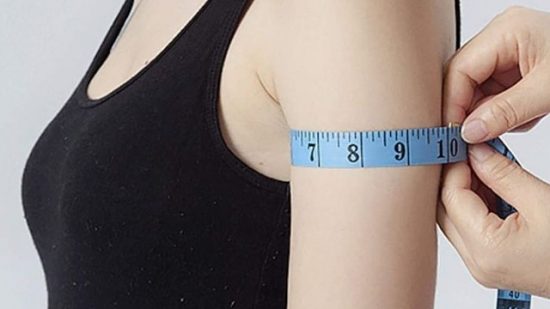
Arm circumference measurement is useful for tracking changes in muscle mass and fat distribution in the upper body. To measure your arm circumference, wrap the tape typically the midpoint between your shoulder and elbow.
Using Body Measurements to Track Progress
Consistency
Measure your body parts using the same technique and at the same time of day to ensure consistency and accuracy. this is also important for Measure for Weight Loss
Set Realistic Goals
Establish realistic goals based on your individual body composition and health objectives. Focus on progress rather than perfection.
Track Changes Over Time
Regularly track your body measurements to monitor changes in different areas weight loss strategies accordingly. this is important for Measure for Weight Loss
Celebrate Non-Scale Victories:
Recognize and celebrate achievements beyond the scale, such as improvements in body composition, increased energy levels, and enhanced physical fitness.
Conclusion
Measuring various body parts provides a comprehensive assessment of your progress during weight loss. By incorporating measurements such as weight, and arm , you can gain valuable insights into changes in body composition and overall health. Remember that weight loss is a journey that varies , and focusing on overall health and well-being is key to long-term success.