1-475-777-6912
Tulip Medspa and Weight Loss, CT 06488
aisha@theweightdr.com
Tulip Medspa and Weight Loss
  • Home
  • About us
  • Contact us
  • Services
  • Consultation Fee
  • FAQs
Location
Working Time
Working Time
Mon-Thu 08:00 AM – 05:00 PM
Friday  08:00 AM – 04:00 PM
Saturday 09:00 AM – 1:00 PM
Sunday 09:00 AM – 1:00 PM
Book Appointment
Book Appointment

    Quick Pricing
    Quick Pricing
    One Hour Initial Video  Consultation On Call
    For follow-up Consultation On Call


    Emergency Case
    Emergency Case

    Emergency Case

    In  emergency, please call 911 or go to nearest emergency room.

    If you are our current patient and have an urgent question outside of the normal business hours, you may reach me at the given number

    • 1-475-777-6912
    • aisha@theweightdr.com
    Our Contact
    +
    HomeBlog Posts
    14Feb

    7 Effective Ways to Tighten Loose Skin After Weight Loss

    by Aisha Khan

    Congratulations on your weight loss journey! Losing weight is a remarkable achievement, but sometimes it can leave behind loose skin, which can be discouraging. However, there are several strategies you can implement to tighten loose skin and reveal a more sculpted physique. In this comprehensive guide, we’ll explore seven effective ways to address loose skin after weight loss, providing you with practical advice and actionable tips to help you achieve the body you desire.

    How to Get Rid of Loose Skin After Weight Loss

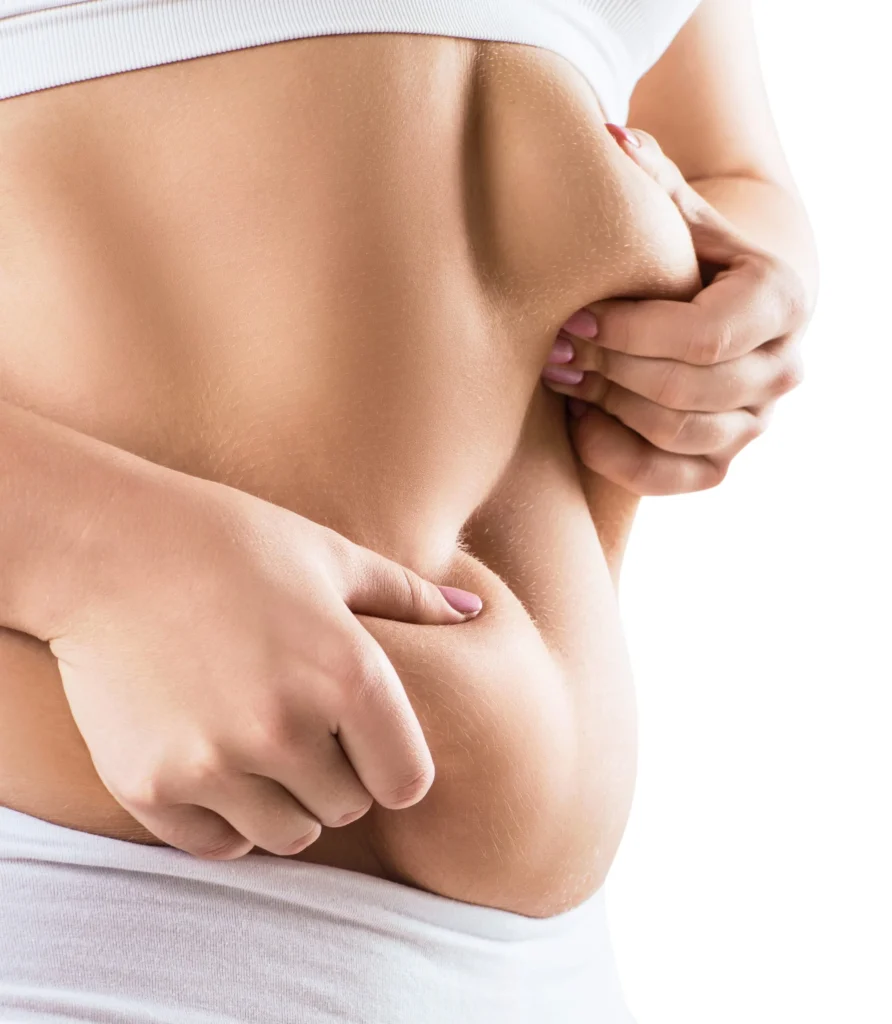
    this picture shows us a loose skin

    1. Embrace Strength Training

    Strength training is a powerful tool for tightening loose skin and building lean muscle mass. By incorporating resistance exercises into your fitness routine, you can increase muscle definition and improve skin elasticity. Focus on compound movements such as squats, lunges, and deadlifts to target multiple muscle groups simultaneously.

    Must read this: How to Get Rid of Loose Skin After Weight Loss

    2. Hydrate Your Skin

    Proper hydration is essential for maintaining healthy skin elasticity. Make sure to drink an adequate amount of water daily to keep your skin hydrated from within. Additionally, consider using moisturizers and lotions enriched with ingredients like hyaluronic acid and collagen to nourish and hydrate your skin externally.

    3. Follow a Nutrient-Dense Diet

    Fuel your body with the nutrients it needs to support skin health and elasticity. Include plenty of fruits, vegetables, lean proteins, and healthy fats in your diet. Foods rich in vitamins A, C, and E, as well as omega-3 fatty acids, can promote collagen production and improve skin texture.

    4. Practice Regular Exfoliation

    Exfoliating your skin can help remove dead cells and promote cell turnover, leading to smoother and tighter skin. Use a gentle exfoliating scrub or brush to slough off dead skin cells, paying special attention to areas prone to loose skin, such as the abdomen, arms, and thighs. Incorporate exfoliation into your skincare routine 2-3 times per week for best results.

    5. Consider Non-Surgical Treatments

    If you’re looking for more intensive solutions, non-surgical treatments such as radiofrequency therapy, ultrasound therapy, and laser skin tightening can help tighten loose skin and improve skin firmness. Consult with a dermatologist or plastic surgeon to explore these options and determine the best treatment plan for your specific needs.

    6. Maintain a Stable Weight

    Fluctuations in weight can exacerbate loose skin, so it’s essential to maintain a stable weight once you’ve reached your goal. Focus on adopting sustainable lifestyle habits that support weight maintenance, such as regular exercise, balanced nutrition, and stress management.

    7. Give It Time

    Lastly, be patient and give your body time to adjust to its new shape. Tightening loose skin is a gradual process that requires consistency and patience. Celebrate your progress along the way and stay committed to your skincare and fitness routine, knowing that positive changes are happening beneath the surface.

    Must read this post: How to Drink Apple Cider Vinegar for Weight Loss in 1 Week

    FAQs (Frequently Asked Questions)

    • How long does it take for loose skin to tighten after weight loss? The timeline for skin tightening varies from person to person depending on factors such as age, genetics, and the amount of weight lost. In general, it can take several months to a year or more for loose skin to tighten significantly.
    • Can exercise tighten loose skin after weight loss? Yes, incorporating strength training exercises into your fitness routine can help tighten loose skin by building muscle mass and improving skin tone. Focus on resistance exercises that target the areas where you have loose skin for the best results.
    • Are there any natural remedies for tightening loose skin? While there are no miracle cures, certain natural remedies and lifestyle changes can help improve skin elasticity and firmness. These include staying hydrated, eating a nutrient-rich diet, moisturizing regularly, and practicing good skincare habits.
    • Is surgery the only option for removing loose skin? Surgery is not the only option for addressing loose skin, but it may be necessary for individuals with significant excess skin that cannot be improved through non-surgical methods. Consult with a qualified plastic surgeon to discuss your options and determine the best course of action for your specific situation.
    • How can I prevent loose skin during weight loss? While some degree of loose skin may be inevitable with weight loss, there are steps you can take to minimize its appearance. Gradual weight loss, hydration, strength training, and maintaining a stable weight can all help reduce the likelihood of loose skin.
    • Are there any risks associated with non-surgical skin tightening treatments? Non-surgical skin tightening treatments are generally safe when performed by qualified professionals. However, some potential risks may include temporary redness, swelling, or discomfort. It’s essential to consult with a dermatologist or plastic surgeon to discuss any potential risks and determine if these treatments are suitable for you.

    Conclusion:

    Dealing with loose skin after weight loss can be challenging, but it’s not insurmountable. By implementing the strategies outlined in this guide, you can tighten loose skin, improve skin elasticity, and achieve a more sculpted physique. Remember to be patient and consistent in your efforts, and celebrate your progress along the way. With dedication and perseverance, you can achieve the body you desire and feel confident in your skin.

    14Feb

    How to Get Rid of Loose Skin After Weight Loss

    by Aisha Khan

    Losing weight is an incredible achievement that can improve your health and overall well-being. However, for many individuals who have lost a significant amount of weight, loose or sagging skin can be an unwanted consequence. While loose skin is a common issue after weight loss, there are steps you can take to help tighten and improve the appearance of your skin. In this article, we’ll explore effective strategies for addressing loose skin after weight loss.

    Understanding Loose Skin After Weight Loss

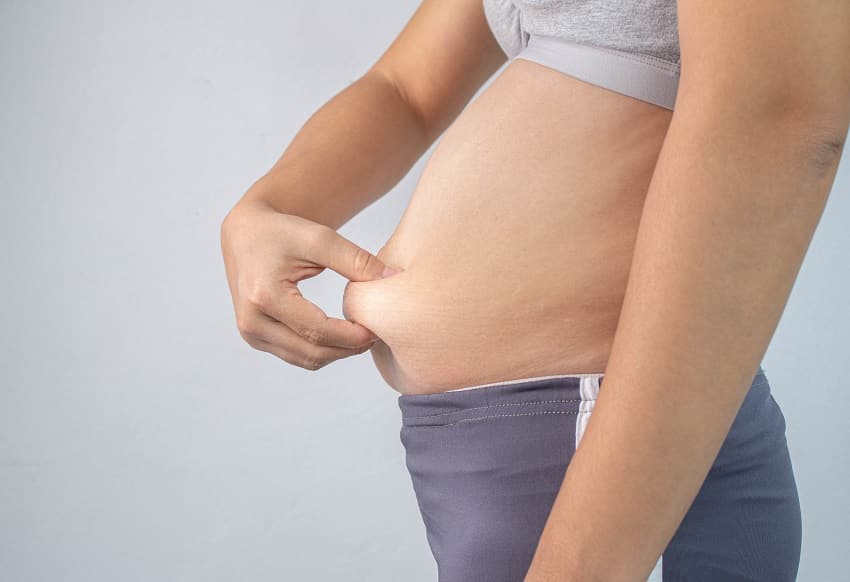
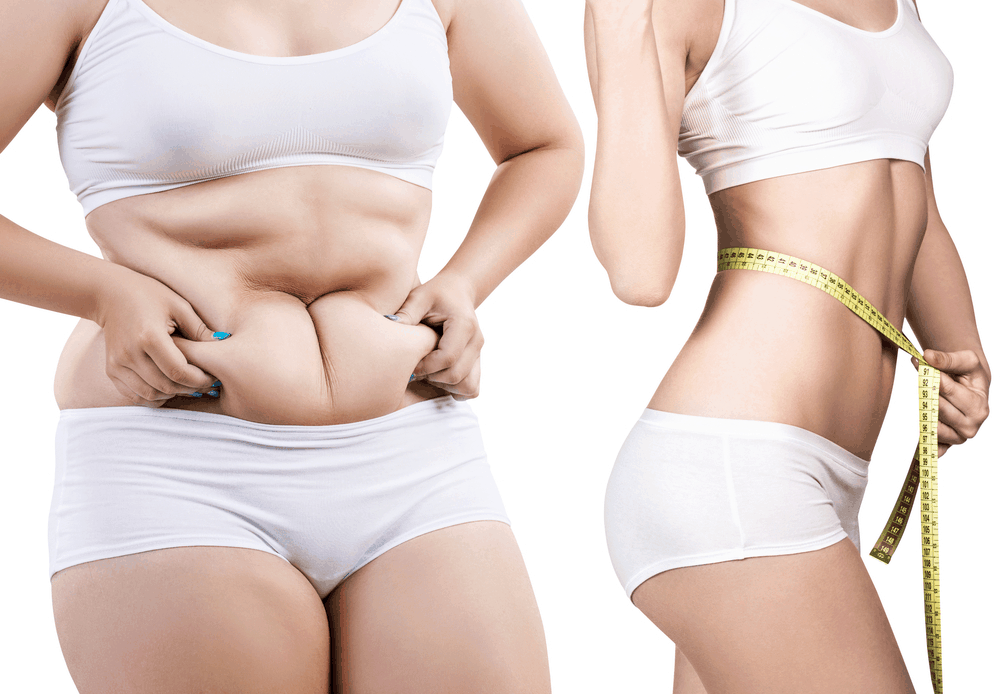
    this picture tell us about loose skin

    Loose skin occurs when the skin has been stretched due to weight gain and loses its elasticity over time. When you lose a substantial amount of weight, especially if the weight loss is rapid, the skin may not fully retract to its original size, leaving behind excess skin folds and sagging.

    Several factors influence the extent of loose skin after weight loss, including age, genetics, the amount of weight lost, the speed of weight loss, and skin quality. While some individuals may experience minimal loose skin, others may have more pronounced sagging.

    Strategies to Tighten Loose Skin

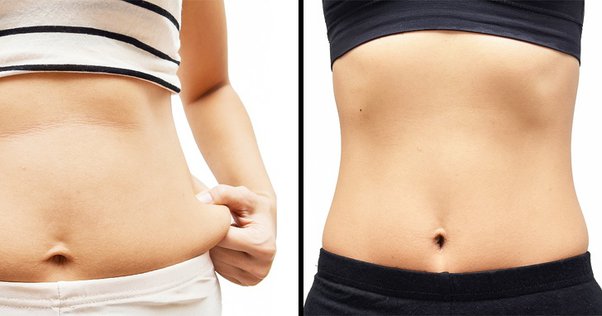
    picture tell us how to control loose skin

    Gradual Weight Loss: Gradual weight loss allows your skin time to adjust to changes in body composition, reducing the likelihood of excessive loose skin. Aim for a steady and sustainable weight loss of 1-2 pounds per week through a combination of healthy eating and regular exercise.

    Must read this post: Which Cheese is Good for Weight Loss

    Stay Hydrated

    Proper hydration is essential for maintaining skin elasticity and suppleness. Drink plenty of water throughout the day to keep your skin hydrated and support overall skin health.

    Build Muscle

    Strength training exercises help build muscle mass, which can fill out loose skin and improve its appearance. Focus on resistance exercises targeting major muscle groups to increase muscle tone and definition.

    Include Cardiovascular Exercise

    Cardiovascular exercise, such as brisk walking, jogging, cycling, or swimming, can help burn calories and promote overall fat loss, which may reduce the appearance of loose skin.

    Eat a Nutrient-Rich Diet

    Consume a balanced diet rich in vitamins, minerals, antioxidants, and protein to support skin health and collagen production. Include foods high in vitamin C, vitamin E, zinc, and omega-3 fatty acids, which promote skin elasticity and repair.

    Consider Skin-Tightening Treatments

    Certain cosmetic procedures and treatments may help tighten loose skin and improve its appearance. These include laser therapy, radiofrequency treatments, ultrasound therapy, and microneedling. Consult with a qualified dermatologist or plastic surgeon to explore options suitable for your skin type and individual needs.

    Use Moisturizers and Lotions

    Hydrating the skin with moisturizers and lotions can improve its texture and elasticity. Look for products containing ingredients like hyaluronic acid, shea butter, and vitamin E to nourish and hydrate the skin.

    Protect Your Skin from the Sun

    Prolonged sun exposure can accelerate skin aging and contribute to loss of elasticity. Apply sunscreen with a high SPF daily and wear protective clothing to shield your skin from harmful UV rays.

    Must read this post: How to Drink Apple Cider Vinegar for Weight Loss in 1 Week

    Managing Expectations

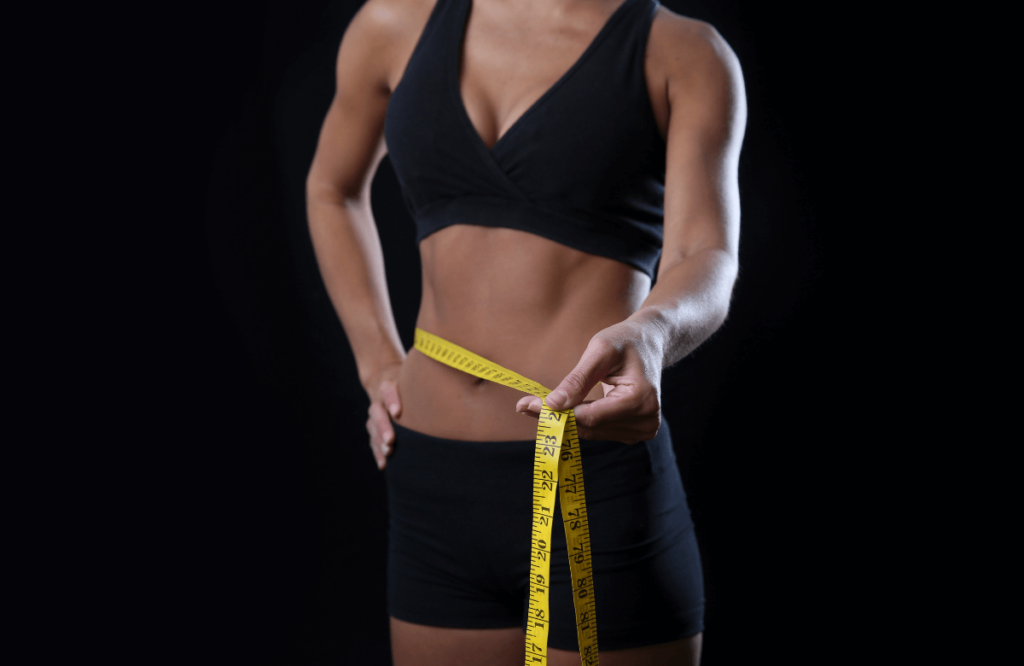
    due to various method we can easily control loose skin

    It’s important to manage expectations when addressing loose skin after weight loss. While the strategies mentioned above can help tighten and improve the appearance of loose skin to some extent, complete elimination may not be possible without surgical intervention, such as a body lift or abdominoplasty (tummy tuck).

    Surgical procedures can remove excess skin and reshape the body contours, but they involve risks and downtime. Consider consulting with a board-certified plastic surgeon to discuss your options and determine whether surgical intervention is appropriate for you.

    Conclusion

    Addressing loose skin after weight loss requires a combination of lifestyle modifications, including gradual weight loss, strength training, proper hydration, and skincare. While loose skin may not completely disappear, adopting these strategies can help minimize its appearance and improve your overall body confidence and self-esteem. Remember to be patient and consistent in your efforts, and celebrate the progress you’ve made towards a healthier and happier you.

    14Feb

    How to Drink Apple Cider Vinegar for Weight Loss in 1 Week

    by Aisha Khan

    Apple cider vinegar (ACV) has gained popularity in recent years for its potential health benefits, including aiding weight loss. While it’s not a magic solution, incorporating apple cider vinegar into your daily routine can complement a healthy diet and exercise regimen to support weight loss goals. In this article, we’ll explore how to drink apple cider vinegar for weight loss effectively within a one-week timeframe.

    Understanding Apple Cider Vinegar

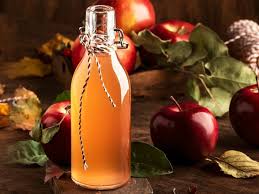
    this picture tell us about apple cider vinegar

    Apple cider vinegar is made from fermented apples and contains acetic acid, which is believed to be responsible for some of its health benefits. It also contains vitamins, minerals, and antioxidants, which contribute to its nutritional profile. The acetic acid in apple cider vinegar may help suppress appetite, increase metabolism, and reduce fat storage when consumed as part of a healthy lifestyle.

    How to Drink Apple Cider Vinegar for Weight Loss

    this picture tell us about how to drink apple cider vinegar

    Dilute with Water: Apple cider vinegar is highly acidic and can cause irritation or damage to the esophagus and tooth enamel if consumed undiluted. To avoid these risks, dilute one to two tablespoons of apple cider vinegar in a large glass of water. Start with a smaller amount if you’re not accustomed to the taste or acidity.

    Must read this post: Exploring the Best Milk for Weight Loss

    Add Honey or Stevia (Optional)

    Some people find the taste of apple cider vinegar too strong or tart. You can add a teaspoon of honey or a few drops of liquid stevia to sweeten the drink slightly without adding significant calories. However, be mindful of added sugar if you’re aiming for weight loss.

    Drink Before Meals

    Consuming apple cider vinegar before meals may help control appetite and reduce calorie intake throughout the day. Try drinking a glass of diluted apple cider vinegar 15-30 minutes before your main meals to help promote feelings of fullness and satiety.

    Limit Consumption

    While apple cider vinegar can be beneficial in moderation, excessive consumption may lead to digestive discomfort or other side effects. Aim to consume no more than two tablespoons of apple cider vinegar per day, divided into two or three servings.

    Stay Hydrated

    Drinking plenty of water throughout the day is essential, especially when consuming apple cider vinegar. Proper hydration supports digestion, metabolism, and overall well-being, helping optimize the effects of apple cider vinegar for weight loss.

    Monitor Progress

    Keep track of your weight, measurements, and how you feel throughout the week while incorporating apple cider vinegar into your routine. Remember that weight loss results may vary depending on various factors, including diet, exercise, and individual metabolism.

    Additional Tips for Successful Weight Loss

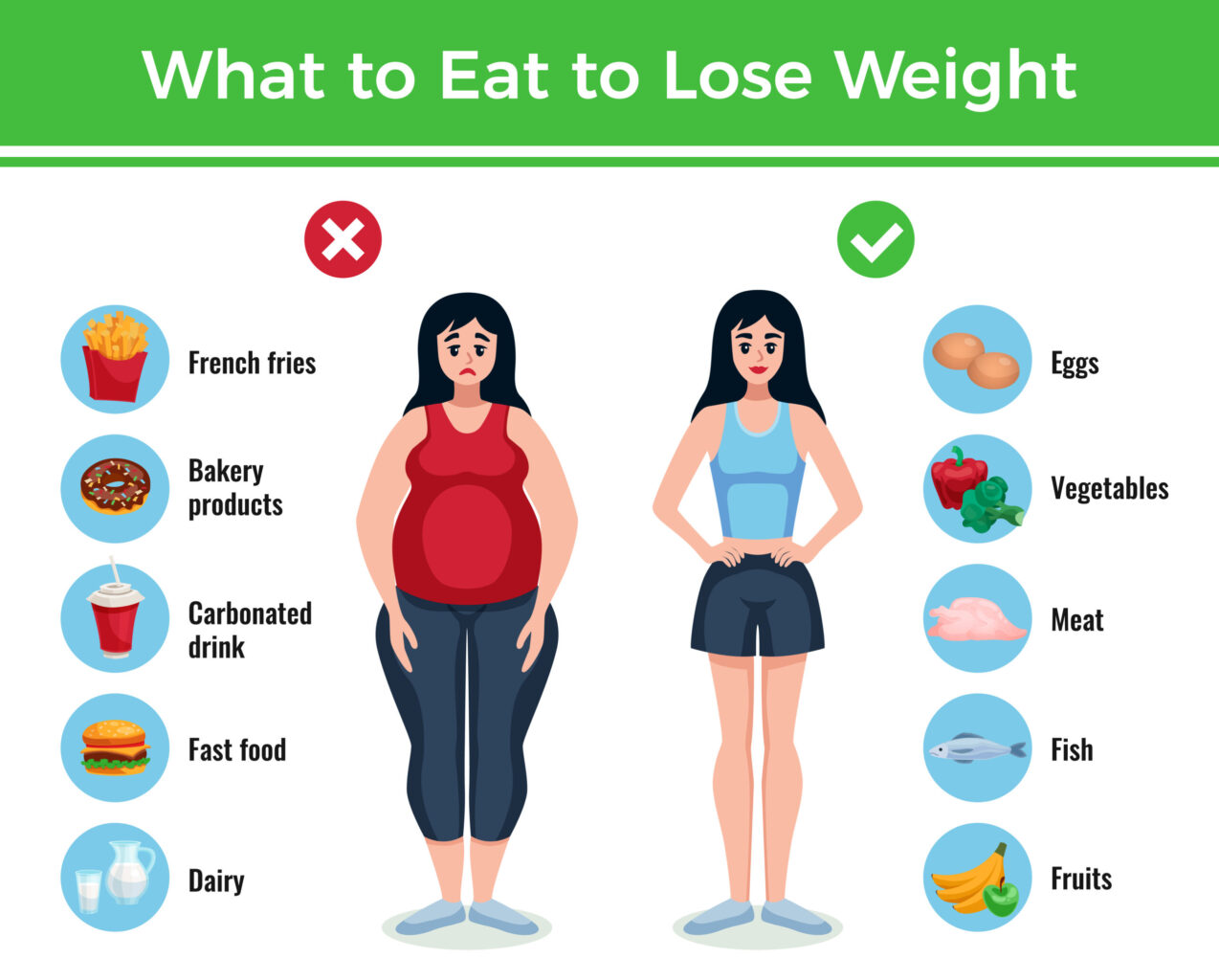
    there are additional tips in this picture for weight loss
    Diet infographics layout with information about what to eat to lose and gain weight cartoon vector illustration

    Maintain a Balanced Diet: While apple cider vinegar can support weight loss, it’s essential to follow a balanced diet rich in whole foods, lean protein, fruits, vegetables, and healthy fats.

    Must read this post: Which Cheese is Good for Weight Loss


    Exercise Regularly

    Combine apple cider vinegar consumption with regular physical activity to maximize weight loss results and improve overall health and fitness.


    Get Adequate Sleep

    Prioritize quality sleep, as inadequate sleep can disrupt hormones related to appetite and metabolism, potentially hindering weight loss efforts.


    Manage Stress

    Chronic stress can contribute to weight gain and make it challenging to lose weight. Practice stress-reducing techniques such as meditation, deep breathing, yoga, or spending time in nature.


    Conclusion

    drinking apple cider vinegar diluted in water may support weight loss goals when combined with a healthy lifestyle. By following these guidelines and incorporating apple cider vinegar into your routine in a safe and mindful manner, you can potentially experience positive changes in your weight and overall well-being within a one-week timeframe. However, remember that sustainable weight loss requires consistency, patience, and a holistic approach to health and wellness.

    14Feb

    Which Cheese is Good for Weight Loss

    by Aisha Khan

    When it comes to weight loss, cheese is often regarded with suspicion due to its high fat and calorie content. However, not all cheeses are created equal, and some can actually be incorporated into a weight loss plan without sabotaging your efforts. Choosing the right cheese can provide essential nutrients while keeping your calorie intake in check. In this article, we’ll explore which cheeses are suitable for weight loss and how to incorporate them into a balanced diet.

    Understanding Cheese and Weight Loss

    due to use of cheese we can loss weight

    Cheese is a dairy product made from milk curds. It comes in various textures, flavors, and fat content, depending on the type of milk used and the production process. While cheese is known for its protein and calcium content, it also contains saturated fats and calories, which can contribute to weight gain if consumed in excess.

    However, cheese can still have a place in a weight loss diet when chosen wisely and consumed in moderation. The key is to select cheeses that are lower in fat and calories while still providing essential nutrients.

    Must read this post: How to Prevent Loose Skin During Weight Loss

    Best Cheese Options for Weight Loss

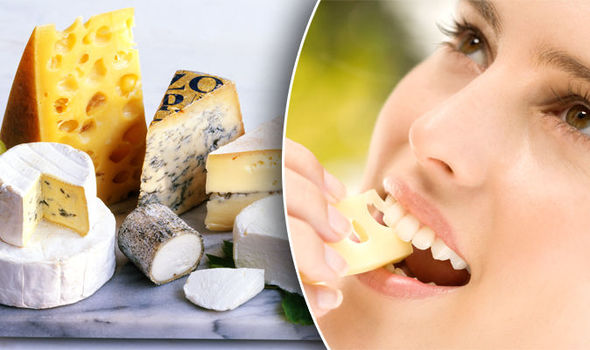
    in this picture there is a type of cheese

    Cottage Cheese: Cottage cheese is an excellent choice for weight due to its high protein content and relatively low fat and calorie content. It is rich in casein protein, which helps keep you feeling full and satisfied for longer periods, reducing the likelihood of overeating. Additionally, cottage cheese is a good source of calcium and other essential nutrients.

    Feta Cheese

    Feta cheese is a tangy and flavorful cheese that is lower in calories and fat compared to many other cheeses. Made from sheep’s or goat’s milk, feta cheese adds a burst of flavor to salads, sandwiches, and other dishes without significantly increasing calorie intake. However, it is still high in sodium, so it should be consumed in moderation, especially for those watching their sodium intake.

    Mozzarella Cheese

    Mozzarella cheese, especially part-skim or reduced-fat varieties, is lower in calories and fat compared to other types of cheese. It is commonly used in pizzas, salads, and sandwiches, providing a creamy texture and mild flavor while contributing fewer calories and fat grams.

    Parmesan Cheese

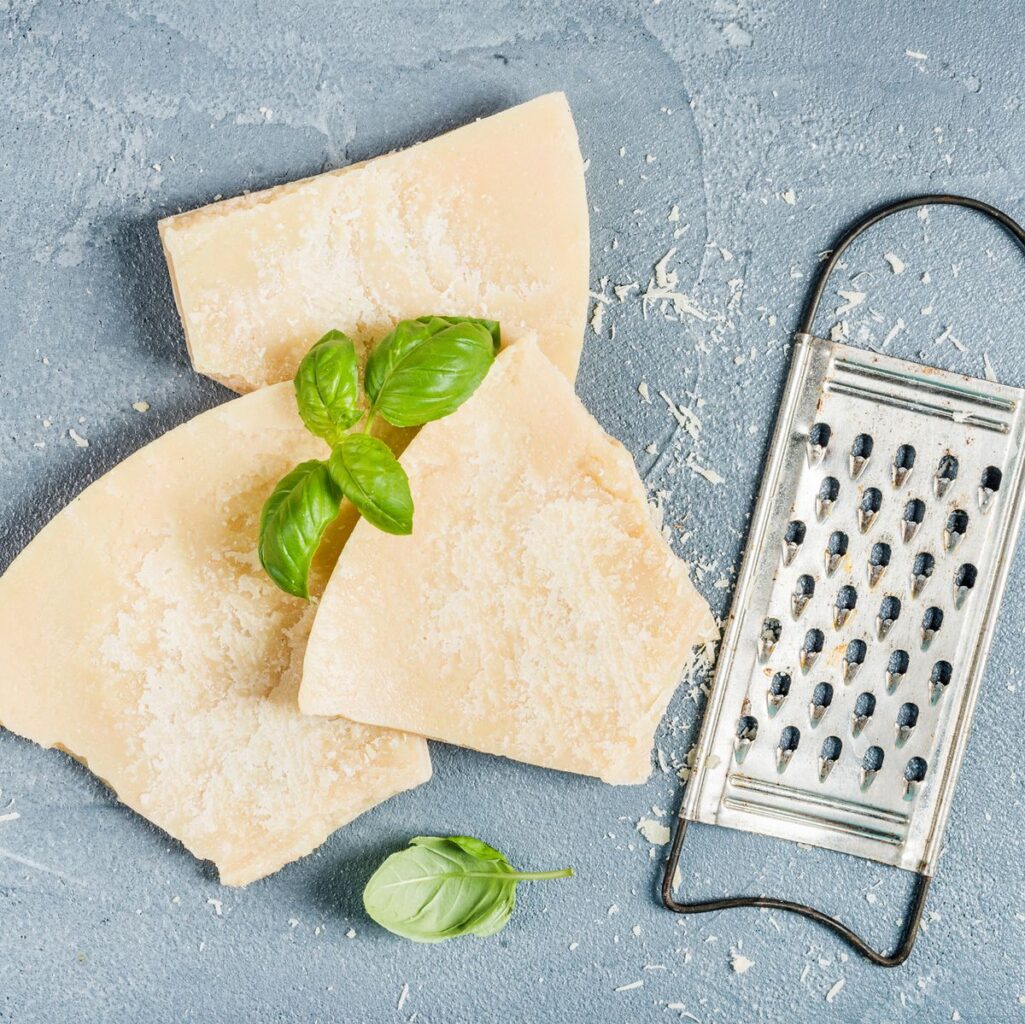
    Parmesan cheese is known for its bold flavor, allowing you to use less while still enjoying its taste. Despite its intense flavor, Parmesan cheese is relatively low in calories compared to other cheeses. Sprinkling a small amount of grated , dishes can add a satisfying savory element without adding excessive calories.

    Swiss Cheese

    Swiss cheese is a good option for weight due to its lower fat content compared to many other types of cheese. It has a nutty and slightly sweet flavor, making it a versatile choice for sandwiches, omelets, and cheese platters.

    Tips for Incorporating Cheese into a Weight Loss Diet

     Incorporating Cheese into a Weight Loss Diet

    Portion Control: While certain cheeses can be part of a weight loss diet, portion control is key. Stick to recommended serving sizes to avoid consuming excess calories.

    Must read this post: Exploring the Best Milk for Weight Loss


    Choose Wisely

    Option for cheeses that are lower in fat and calories, such as cottage cheese, feta cheese, mozzarella, and Parmesan.


    Balance with Other Foods

    Incorporate cheese into meals that are rich in fiber, lean protein, and vegetables to create balanced and satisfying meals.


    Be Mindful of Sodium

    Some cheeses, especially processed varieties, can be high in sodium. Choose lower sodium options whenever possible and be mindful of overall sodium intake.


    Conclusion

    cheese can be included in a weight loss diet when chosen wisely and consumed in moderation. By selecting cheeses you can enjoy the flavor and nutritional benefits of cheese without compromising your weight loss goals. As with any dietary choice, it’s essential to focus on overall balance and moderation to achieve long-term success in weight management.

    14Feb

    Exploring the Best Milk for Weight Loss: A Comprehensive Guide

    by znxmfx

    In the quest for weight loss, every decision counts, including the type of milk you choose to consume. With an array of options available in the market, ranging from whole milk to plant-based alternatives, it’s essential to understand which milk can best support your weight loss journey. In this comprehensive guide, we delve into the characteristics of various types of milk and determine which one stands out as the optimal choice for those aiming to shed pounds.

    Understanding the Nutritional Composition:

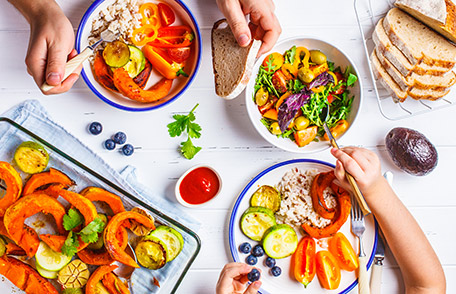
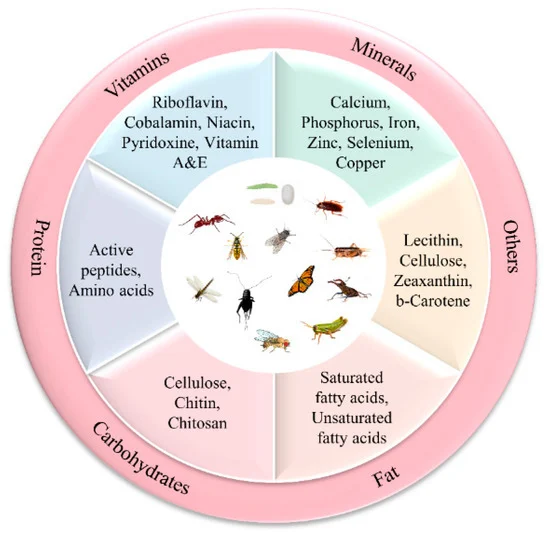
    This pictures tell about  nutrition composition

    Before we dive into specific types of milk, it’s crucial to comprehend the nutritional composition of milk in general. Milk is a rich source of essential nutrients such as calcium, protein, vitamins, and minerals. However, the caloric content and fat composition vary significantly depending on the type of milk.

    Whole Milk:

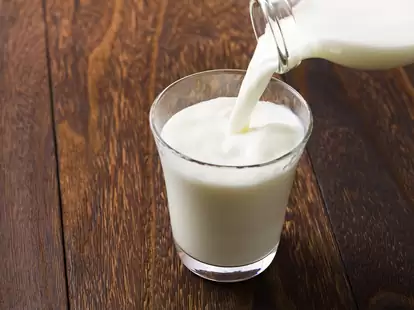
    this picture tell us about the whole milk

    Whole milk contains approximately 146 calories per cup and is rich in saturated fats.
    While it provides essential nutrients, its high-fat content may not be conducive to weight loss efforts, especially when consumed in excess.


    Skim Milk:

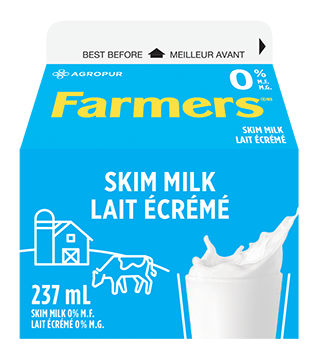
    this picture tell us about the skim milk

    Skim milk, also known as fat-free or non-fat milk, contains approximately 83 calories per cup and has had most of its fat content removed.
    While it offers the benefits of calcium and protein without the added calories from fat, some argue that it lacks the satiety provided by fats, potentially leading to increased hunger and calorie intake from other sources.

    Must read this post: How to Prevent Loose Skin During Weight Loss


    Low-Fat Milk:

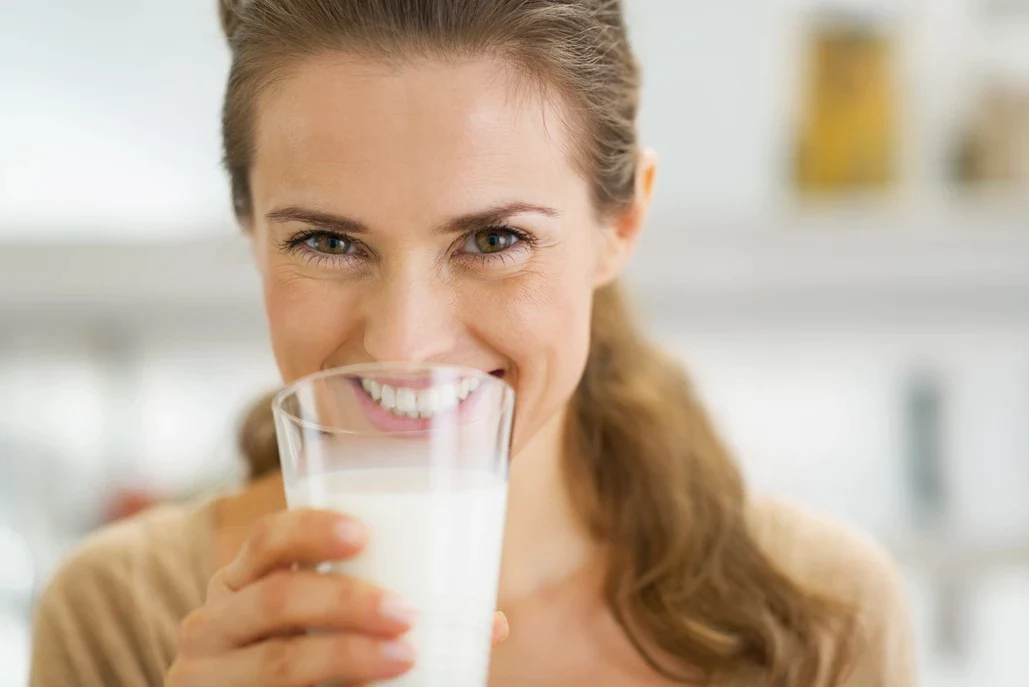
    low fat milk play an important role in the weight loss

    Low-fat milk, typically containing 1% or 2% fat, strikes a balance between whole milk and skim milk in terms of both calories and fat content.
    With around 102 calories per cup, it provides essential nutrients while reducing the intake of saturated fats compared to whole milk.


    Plant-Based Milk Alternatives:

    Plant-based milk alternatives such as almond milk, soy milk, and oat milk have gained popularity in recent years, particularly among individuals seeking dairy-free options.
    These alternatives offer various nutritional profiles, with almond milk being lower in calories and fat, soy milk providing a comparable protein content to cow’s milk, and oat milk offering additional fiber.


    Determining the Best Milk for Weight Loss:

    When it comes to weight loss, several factors should be considered beyond just calorie count. These include satiety, nutrient density, and potential impact on metabolism.

    Satiety:

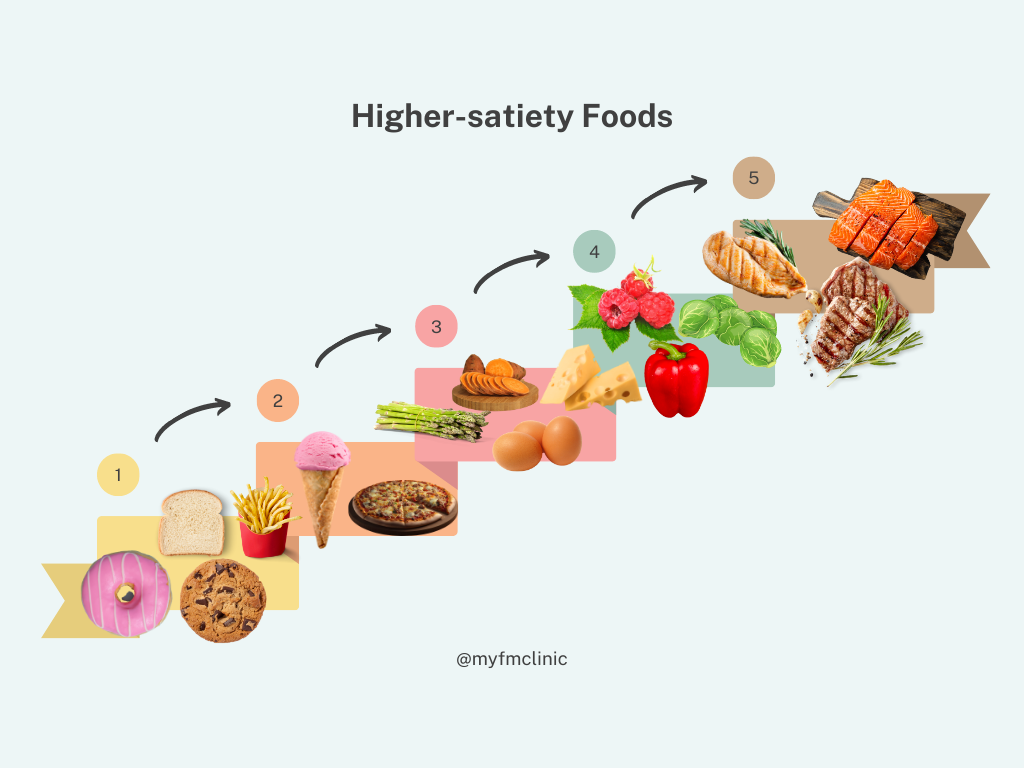
    this picture tell us about the satiety food

    Satiety refers to the feeling of fullness and satisfaction experienced after consuming a meal or beverage. Foods and beverages that promote satiety can help control appetite and prevent overeating.
    Studies suggest that the fat content in milk may contribute to feelings of satiety. Therefore, whole milk, despite its higher calorie content, might keep you fuller for longer compared to skim or low-fat milk.


    Nutrient Density:

    Nutrient density refers to the concentration of essential nutrients relative to the number of calories in a food or beverage. Choosing milk that is nutrient-dense can help ensure you meet your nutritional needs while managing calorie intake.
    Cow’s milk, whether whole, skim, or low-fat, is a good source of calcium, protein, and vitamins D and B12. These nutrients are essential for overall health and can support weight loss by promoting muscle maintenance and bone health.


    Impact on Metabolism:

    Some research suggests that certain components of milk, such as calcium and protein, may have metabolic benefits that support weight loss.
    Calcium has been linked to increased fat burning and decreased fat absorption in the body. Protein, on the other hand, is known to boost metabolism and promote feelings of fullness.

    Must read this post: Exploring the Best Injections for Weight Loss


    Conclusion:

    In conclusion, the best milk for weight loss ultimately depends on individual preferences, dietary needs, and overall lifestyle factors. While whole milk may offer the benefits of satiety, skim milk provides a lower-calorie option without sacrificing essential nutrients. Low-fat milk strikes a balance between the two, while plant-based alternatives offer dairy-free options with varying nutritional profiles.

    Regardless of the type of milk you choose, moderation is key. Incorporating milk into a well-rounded diet that includes plenty of fruits, vegetables, lean proteins, and whole grains is essential for achieving and maintaining a healthy weight. Additionally, staying hydrated with water should remain a top priority in any weight loss plan.

    Consulting with a healthcare professional or registered dietitian can provide personalized guidance on selecting the best milk and overall dietary approach to support your weight loss goals. By making informed choices and adopting sustainable lifestyle habits, you can optimize your chances of success on your weight loss journey.

    13Feb

    How to Prevent Loose Skin During Weight Loss: Strategies and Tips

    by Aisha Khan

    Weight loss can be an incredible journey toward better health and self-confidence. However, one common concern among individuals who have lost a significant amount of weight is loose or sagging skin. This issue can occur when skin loses elasticity due to factors like rapid weight loss, genetics, age, and sun exposure. While loose skin may not always be avoidable, there are several strategies and tips that can help minimize its occurrence during weight loss

    Understanding Loose Skin:

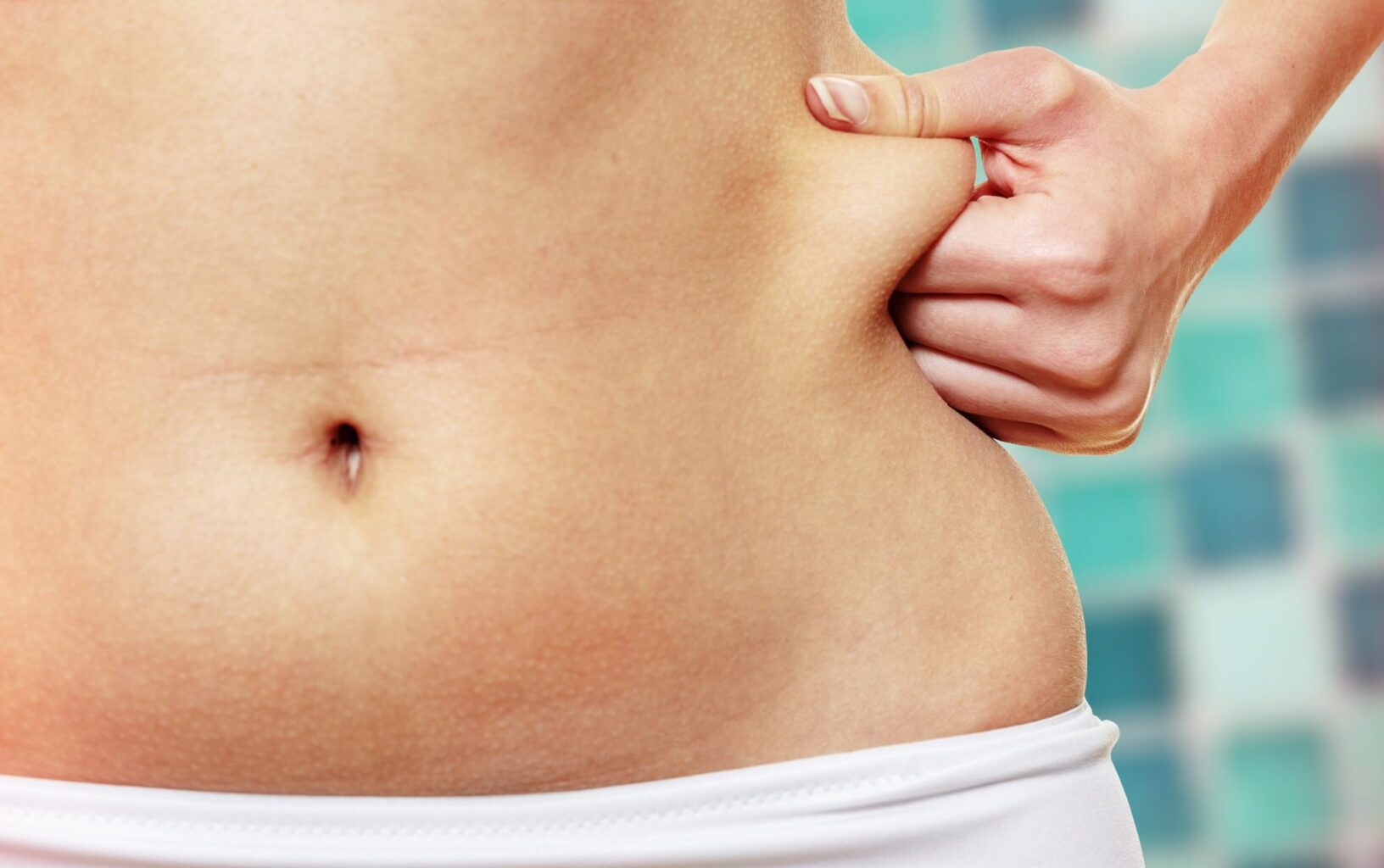
    this image shown us about loose skin

    Before delving into prevention strategies, it’s essential to understand why loose skin occurs during weight loss. Skin elasticity is influenced by collagen and elastin fibers, which provide the skin with its firmness and ability to stretch. When you lose weight rapidly or over a long period, especially if you’ve been overweight for an extended time, the skin may not be able to adapt quickly enough to the reduced volume of underlying fat, leading to sagging or loose skin.

    Prevention Strategies:

    these are some prevention strategies to control loose skin

    One of the most effective ways to prevent loose skin is to aim for gradual weight loss. Rapid weight loss, typically defined as losing more than 1-2 pounds per week, can increase the likelihood of loose skin. By losing weight at a slower, more sustainable pace, you give your skin time to adjust and shrink gradually along with your body.

    Must Read this post: Exploring the Best Injections for Weight Loss

    Stay Hydrated:

    hydrated is most important thing to control loose skin

    Hydration plays a crucial role in maintaining skin elasticity. Drinking an adequate amount of water helps keep your skin hydrated and supple. Aim to drink at least 8-10 glasses of water per day, and consider incorporating hydrating foods like fruits and vegetables into your diet.

    Build Muscle:

    build muscles is also important to control loose skin

    Strength training exercises help build muscle mass, which can fill out loose skin and improve its appearance. Focus on exercises that target major muscle groups, such as squats, lunges, push-ups, and rows. Aim to strength train at least two to three times per week, gradually increasing the intensity and weight as you progress.

    Eat a Nutrient-Rich Diet:

    Consuming a balanced diet rich in vitamins, minerals, and antioxidants can support skin health and elasticity. Include plenty of fruits, vegetables, lean proteins, and healthy fats in your meals. Foods high in collagen-building nutrients like vitamin C, vitamin E, zinc, and protein can be particularly beneficial for skin elasticity.

    Avoid Crash Diets:

    Crash diets that severely restrict calories or eliminate entire food groups may result in rapid weight loss but can also increase the likelihood of loose skin. Instead of opting for extreme diets, focus on making long-term, sustainable changes to your eating habits. Choose nutrient-dense foods that support overall health and well-being.

    Practice Skincare:

    Proper skincare can help improve skin elasticity and firmness. Use moisturizers and lotions containing ingredients like hyaluronic acid, retinol, and vitamin C to hydrate the skin and stimulate collagen production. Exfoliate regularly to remove dead skin cells and promote cell turnover.

    Maintain a Healthy Weight:

    5 Simple Ways to Maintain A Healthy Weight

    Once you’ve reached your weight loss goal, focus on maintaining a stable weight rather than fluctuating up and down. Sudden weight fluctuations can further stretch the skin and worsen its appearance. Continue following a balanced diet and exercise routine to sustain your results.

    Must read this: How to Reset Female Hormones for Weight Loss

    Consider Nonsurgical Treatments:

    Woman receiving a botox injection in the eye zone lying in bathrobe on the medical couch

    In some cases, despite preventive measures, loose skin may still be present. Noninvasive treatments such as radiofrequency therapy, ultrasound therapy, and laser skin tightening can help tighten and firm loose skin without surgery. Consult with a dermatologist or plastic surgeon to explore these options.

    Conclusion:

    Preventing loose skin during weight loss requires a combination of lifestyle changes, including gradual weight loss, strength training, proper nutrition, hydration, skincare, and maintaining a healthy weight. While it may not always be possible to completely avoid loose skin, incorporating these strategies can help minimize its occurrence and improve skin elasticity. Remember that every body is unique, and individual results may vary. Focus on embracing your journey to better health and celebrating the progress you’ve made.

    • 1
    • …
    • 14
    • 15
    • 16
    • 17
    • 18
    • …
    • 29

    Categories

    • Weight Loss
    • s
    • game
    • ufavip777
    • Finance, Real Estate
    • 4

    Date Posts

    May 2026
    M T W T F S S
     123
    45678910
    11121314151617
    18192021222324
    25262728293031
    « Apr    

    Tags

    Lucky Bear Casino

    Blog Posts

    Set post(s) as "Featured" to see block

    Archives

    • April 2026
    • March 2026
    • April 2024
    • March 2024
    • February 2024
    • January 2024
    • December 2023
    • August 2023
    • April 2023

    2

    To receive email updates, simply provide us
    with your email address below.

      FAQs

      1. Do you accept insurance?
      2. What forms of payment are accepted?
      3. What is your cancellation policy?
      4. What should I expect during an initial evaluation?
      5. What age group can be treated?
      In case of an emergency, please call 911 or If you are our current patient and have an urgent question, you may reach me at (475)777-6912

      Our Contacts

      • Prime Weight Loss L.L.C Southbury, CT 06488
        Get directions on the map
      • 1-475-777-6912
        (24/7 General inquiry)
      • aisha@theweightdr.com
      Copyright © 2023                                                                                Prime Weight Loss L.L.C Southbury, CT 06488                                                         For emergency cases:    1-475-777-6912