In the quest for weight loss, individuals often explore various methods ranging from dieting to exercise to supplements. Among these methods, injections have gained popularity for their potential to aid in weight loss. However, determining the best injection for weight loss requires a thorough understanding of their mechanisms, effectiveness, and potential risks. In this article, we delve into the world of weight injections, exploring the different types, their effectiveness, safety considerations, and the role they play in achieving sustainable weight loss goals.
Understanding Weight Loss Injections
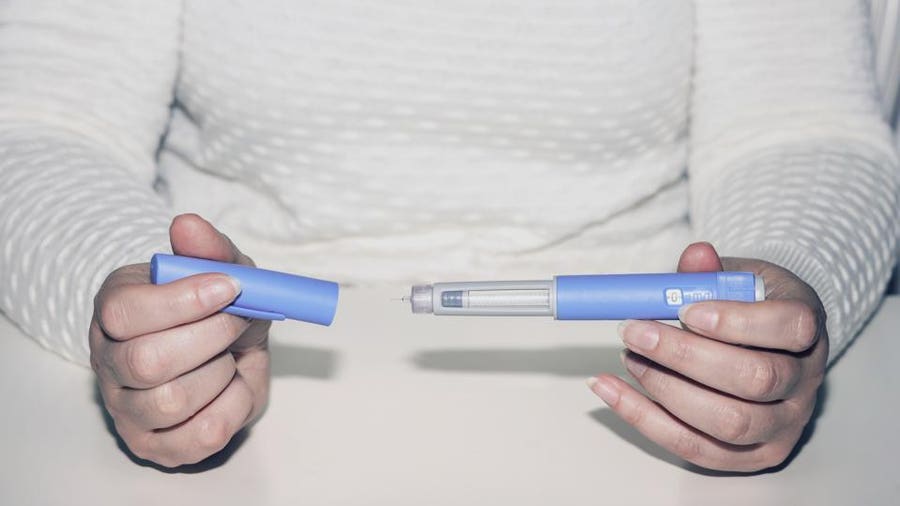
Weight loss injections are formulations designed to aid in the reduction of body fat and promote weight . They work through various mechanisms, including appetite suppression, metabolic enhancement, and fat breakdown. These injections are typically administered either subcutaneously or intramuscularly, and they may contain a range of ingredients, from vitamins and minerals to synthetic hormones.
Types of Weight Loss Injections:
Lipotropic Injections:
Lipotropic injections contain a combination of amino acids, vitamins, and minerals that are believed to enhance fat metabolism and aid in the removal of fat from the liver. Ingredients commonly found in lipotropic injections include methionine, inositol, choline, vitamin B12, and carnitine.
Human Chorionic Gonadotropin (HCG) Injections:
HCG injections are derived from the hormone produced during pregnancy. They are believed to suppress appetite and promote fat loss by targeting stored fat reserves. However, the effectiveness of HCG injections for weight loss is a topic of debate among experts, with limited scientific evidence supporting their efficacy.
B12 Injections:
Vitamin B12 injections are often included in weight regimens due to their role in energy metabolism. While B12 deficiency can lead to fatigue and sluggishness, supplementing with B12 injections may help boost energy levels and support overall well-being during weight efforts.
GLP-1 agonist injections are prescription medications approved for the treatment of obesity. These injections work by mimicking the effects of GLP-1, a hormone that regulates appetite and promotes feelings of fullness. By activating GLP-1 receptors, these injections can reduce food intake and promote weight .
Effectiveness and Safety Considerations:
The effectiveness and safety of weight injections vary depending on the type of injection and individual factors such as medical history and lifestyle. Lipotropic injections, for example, are generally well-tolerated but reactions or gastrointestinal upset. HCG injections, on the other hand, including blood clots and ovarian hyperstimulation syndrome in women.
When considering the use of weight loss injections, it is essential a healthcare and discuss potential risks and benefits. Additionally, weight loss injections should be used as part of a comprehensive weight loss program that i exercise, and lifestyle modifications for optimal results.
The Role of Weight Loss Injections in Sustainable Weight Loss:
While weight injections may offer temporary assistance in achieving weight loss goals, they are not a magic solution on their own. Sustainable weight requires a multifaceted approach that addresses dietary habits, physical activity levels, and behavioral patterns. Weight injections can complement these efforts by providing additional support, the sole method for weight management.
the best injection for weight loss depends on individual needs, preferences, and health considerations. Lipotropic injections, B12 injections, and GLP-1 agonist injections are among the options available, each with its own set of benefits and potential risks. professional to ensure safe and effective use. Ultimately, sustainable health and well-being, with injections serving as one tool in the toolbox of weight management strategies.
Achieving weight loss goals can often feel like an uphill battle, especially for women. Hormonal fluctuations, particularly in females, can significantly impact weight management efforts. From estrogen to insulin and thyroid hormones, the intricate balance of these chemicals plays a crucial role in metabolism, appetite regulation, and fat storage. Resetting female hormones for weight loss involves adopting lifestyle changes that promote hormonal balance. In this article, we’ll delve into effective strategies to reset female hormones and optimize weight loss outcomes.
Understanding Female Hormones and Weight Loss:
Beautiful young woman measuring her waist with a measuring tape in the living room at home.
Before diving into the methods to reset female hormones, it’s essential to grasp the hormones involved and their influence on weight management.
Estrogen:
Estrogen levels fluctuate throughout the menstrual cycle, affecting metabolism and fat distribution. Imbalances in estrogen can lead to weight gain, particularly around the abdomen and hips.
Insulin
Insulin is responsible for regulating blood sugar levels. resistance, often associated with conditions like polycystic ovary syndrome (PCOS), can lead to weight gain and hinder weight loss efforts.
Town as the stress hormone, cortisol plays a role in fat storage, particularly visceral fat around the abdomen. Chronic stress can lead to cortisol imbalances, promoting weight gain.
Thyroid hormones, including T3 and T4, regulate metabolism. Hypothyroidism, characterized by an underactive thyroid, can slow down metabolism and contribute to weight gain.
Strategies to Reset Female Hormones for Weight Loss
Balanced Diet
Focus on whole, nutrient-dense foods such as fruits, vegetables, lean proteins, and healthy fats.
Incorporate fiber-rich foods to promote satiety and regulate blood sugar levels.
Limit processed foods, refined sugars, and artificial additives, which can disrupt hormonal balance.
Regular Exercise:
Engage in a combination of cardiovascular exercise and strength training to boost metabolism and promote fat loss.
Aim for at least 150 minutes of moderate-intensity exercise per week, as recommended by health guidelines.
Include activities like yoga or meditation to reduce stress levels and lower cortisol production.
Stress Management:
Reducing techniques such as deep breathing exercises, meditation, or mindfulness.
Prioritize adequate sleep to support hormone regulation and recovery.
Establish healthy boundaries and prioritize self-care activities to reduce chronic stress.
Hormone-Balancing Supplements:
Consult with a healthcare professional before considering hormone-balancing supplements.
Options may include omega-3 fatty acids, magnesium, vitamin D, and adaptogenic herbs like ashwagandha or rhodiola.
Hormone Replacement Therapy (HRT):
In certain cases of hormonal imbalance, HRT may be recommended under the guidance of a healthcare provider.
Bioidentical hormone therapy (BHRT) uses hormones that are chemically identical to those produced by the body and may offer benefits for some women.
Maintain a Healthy Weight:
Aim for gradual, sustainable weight loss through lifestyle modifications rather than extreme dieting.
Focus on long-term habits that support overall health and well-being.
Resetting female hormones for weight loss involves adopting a holistic approach that addresses diet, exercise, stress management, and hormonal balance. By making sustainable lifestyle changes and seeking guidance from healthcare professionals when necessary, women can optimize their hormonal health and achieve their weight loss goals effectively. Remember, consistency and patience are key, and prioritizing overall well-being is paramount in the journey toward a healthier lifestyle.
In the ongoing battle against obesity, Saxenda Work for Weight Loss has emerged as a promising tool for individuals struggling to shed excess weight. Approved by the FDA in 2014, Saxenda, also known as liraglutide, belongs to a class of medications called GLP-1 receptor agonists. While it shares similarities with a hormone naturally produced by the body, its role in weight loss isn’t as straightforward. This article delves into the intricate mechanisms behind Saxenda and its efficacy in helping individuals achieve their weight loss goals.
What is Saxenda?
Saxenda is a prescription medication primarily used to treat obesity in individuals with a body mass index (BMI) of 30 or higher, or those with a BMI of 27 or higher who have at least one weight-related condition such as high blood pressure, type 2 diabetes, or high cholesterol. It contains liraglutide, a synthetic form of a hormone called glucagon-like peptide-1 (GLP-1) that regulates appetite and metabolism.
Mechanism of Action
Appetite Suppression: One of the key mechanisms through which Saxenda aids weight loss is by suppressing appetite. GLP-1 receptors in the brain regulate hunger and satiety signals. Saxenda mimics the action of GLP-1 by binding to these receptors, thereby reducing feelings of hunger and increasing feelings of fullness.
Slowing Gastric Emptying: Saxenda also slows down the rate at which food empties from the stomach into the small intestine. This delay in gastric emptying contributes to feelings of fullness and reduces the urge to eat, further supporting weight loss efforts.
Regulation of Glucose Levels: GLP-1 receptor agonists like Saxenda have been shown to improve glycemic control by enhancing insulin secretion, reducing glucagon secretion (which helps decrease blood sugar levels), and promoting glucose uptake in peripheral tissues. By stabilizing blood sugar levels, Saxenda may indirectly influence weight loss by reducing cravings for high-calorie, sugary foods.
Influence on Reward Pathways: Emerging research suggests that GLP-1 receptor agonists may modulate the brain’s reward pathways associated with food intake. By altering neural circuits involved in food reward and pleasure, Saxenda may help individuals overcome cravings for unhealthy foods, making it easier to adhere to a calorie-controlled diet.
Clinical Efficacy
Clinical trials have demonstrated the efficacy of Saxenda in promoting weight loss when used as part of a comprehensive weight management program that includes dietary modification and increased physical activity. In one pivotal trial, participants who received Saxenda along with lifestyle interventions experienced significantly greater weight loss compared to those who received a placebo.
Safety and Side Effects
While Saxenda Work for Weight Loss can be an effective weight loss tool for many individuals, it’s important to consider potential side effects. Common side effects include nausea, vomiting, diarrhea, constipation, and abdominal pain. In some cases, Saxenda may also increase the risk of pancreatitis or gallbladder problems. As with any medication, it’s essential to discuss the potential risks and benefits with a healthcare provider before starting treatment.
Saxenda Work for Weight Loss offers a valuable option for individuals struggling with obesity to achieve meaningful weight loss and improve overall health. By targeting multiple pathways involved in appetite regulation, metabolism, and glucose control, Saxenda helps individuals overcome obstacles to weight loss and adopt healthier lifestyle habits. However, it’s crucial to approach Saxenda as part of a comprehensive weight management plan under the guidance of a healthcare professional to ensure safe and effective results.
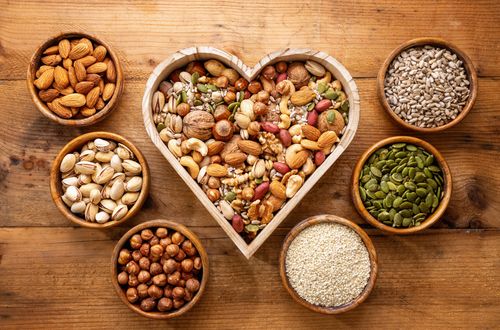
Nuts have long been celebrated for their nutritional value, providing a rich source of healthy fats, protein, fiber, vitamins, and minerals. Despite their high-calorie content, numerous studies have suggested that incorporating nuts into a balanced diet can aid in weight loss and weight management. However, not all nuts are created equal when it comes to shedding pounds. In this article, we’ll delve into the characteristics of various nuts and identify the best options for those looking to lose weight.
Almonds
Almonds are often touted as one of the best nuts for weight loss due to their satisfying crunch, fiber content, and nutrient profile. They are rich in monounsaturated fats, which have been linked to reduced belly fat and improved cholesterol levels. Additionally, almonds are a good source of protein, making them a great snack option to keep hunger at bay between meals.
Walnuts
Walnuts stand out for their high omega-3 fatty acid content, which can help reduce inflammation and promote heart health. Despite being calorically dense, studies suggest that incorporating walnuts into a calorie-controlled diet may actually lead to greater weight loss compared to other snacks with a similar calorie content. Their combination of protein, fiber, and healthy fats makes them a satisfying choice for those looking to shed pounds.
Pistachios
Pistachios are lower in calories compared to many other nuts, with approximately 160 calories per ounce. They also boast a higher protein content and lower fat content than some other varieties, making them a filling and nutritious snack option. Furthermore, the act of shelling pistachios may slow down consumption, helping to prevent overeating.
Cashews
While cashews are higher in carbohydrates compared to some other nuts, they still have a place in a weight loss diet when consumed in moderation. They are a good source of magnesium, which is important for regulating blood sugar levels and maintaining energy levels. However, due to their higher calorie content, it’s essential to be mindful of portion sizes when including cashews in your diet.
Brazil Nuts
Brazil nuts are renowned for their high selenium content, which plays a crucial role in thyroid function and metabolism regulation. While they are calorie-dense like other nuts, their nutrient density and potential metabolic benefits make them a valuable addition to a weight loss diet when consumed in moderation.
Pecans
Pecans offer a rich, buttery flavor and are packed with antioxidants, including vitamin E. While they are higher in fat compared to some other nuts, the majority of this fat is monounsaturated, which may help promote feelings of fullness and support weight loss efforts when consumed as part of a balanced diet.
Incorporating nuts into a weight loss regimen can provide numerous health benefits, including improved satiety, better metabolic health, and increased nutrient intake. While all nuts can be part of a healthy diet, certain varieties like almonds, walnuts, pistachios, cashews, brazil nuts, and pecans stand out for their potential to support weight loss goals. Remember to enjoy nuts in moderation, as they are calorie-dense, and opt for unsalted, unroasted varieties whenever possible to maximize their nutritional value. By incorporating these nutrient-packed snacks into your diet, you can harness the power of nuts to help you on your weight loss journey.
In the quest for achieving an ideal body weight, individuals often resort to various methods, including dieting, exercise, and lifestyle changes. However, some individuals turn to drugs in pursuit of rapid and drastic Drug Use and Extreme Weight Loss. While the desire to shed pounds quickly may be tempting, it is crucial to understand the potential dangers and health risks associated with certain drugs. This article aims to shed light on the drugs that can cause extreme weight loss and the potential consequences of their misuse.
Stimulant Medications
One category of drugs notorious for their association with weight loss is stimulants. These substances work by increasing the activity of the central nervous system, leading to heightened alertness and increased metabolism. Stimulant medications, such as amphetamines and methylphenidate, are commonly prescribed to treat attention deficit hyperactivity disorder (ADHD) and narcolepsy.
However, the misuse of these medications, either through unauthorized use or in higher-than-prescribed doses, can result in excessive weight loss. Stimulants suppress appetite and increase energy expenditure, leading to a negative energy balance and subsequent weight loss. Prolonged use or abuse of these drugs may result in serious health issues, including cardiovascular problems, addiction, and mental health issues.
Illicit Stimulant Drugs
Beyond prescription medications, illicit stimulant drugs, such as cocaine and methamphetamine, are also associated with extreme weight loss. These substances not only suppress appetite but also enhance physical activity and reduce fatigue, creating a perfect storm for rapid weight loss.
The use of illicit stimulants poses severe health risks, including cardiovascular complications, psychiatric disorders, and addiction. Additionally, the lifestyle associated with these drugs, such as irregular sleep patterns and poor nutrition, can further contribute to unhealthy weight loss.
Thyroid Medications
Certain medications prescribed for thyroid disorders, such as levothyroxine, work by increasing thyroid hormone levels in the body. While these drugs are crucial for managing thyroid conditions, improper use or dosage adjustments without medical supervision can lead to unintended weight loss.
Excessive thyroid hormone levels can accelerate metabolism, resulting in increased energy expenditure and decreased body weight. Unregulated use of thyroid medications can lead to hyperthyroidism, a condition characterized by symptoms such as weight loss, rapid heart rate, and anxiety.
Prescription Weight Loss Medications
Ironically, medications specifically designed to assist with weight loss can also cause extreme weight loss when misused. Drugs like phentermine and diethylpropion are appetite suppressants that are intended for short-term use as part of a comprehensive weight loss program.
However, individuals may misuse these medications by taking higher doses than prescribed or using them for extended periods. Prolonged use can lead to tolerance, diminishing the effectiveness of the drugs and potentially resulting in harmful side effects.
While the desire for rapid weight loss is understandable, resorting to drugs without proper medical supervision poses serious health risks. The drugs mentioned above, when misused, can lead to extreme weight loss and a range of detrimental health consequences. It is crucial for individuals to prioritize their well-being and consult healthcare professionals before considering any medication for weight loss. Sustainable and healthy weight loss is best achieved through a balanced diet, regular exercise, and lifestyle modifications, under the guidance of healthcare professionals.
Embarking on a weight loss journey is a commendable decision, but it’s natural to wonder how long it will take to see tangible results. The timeline for weight loss varies from person to person and depends on several factors, including individual metabolism, lifestyle, and the chosen weight loss methods. In this article, we will explore the different aspects that influence the time it takes to see weight loss results and provide guidance on setting realistic expectations.
Factors Influencing Weight Loss
Metabolism
One of the key determinants of weight loss speed is metabolism. Metabolism varies from person to person, and those with a faster metabolism may experience quicker results. Factors such as age, genetics, and body composition play a role in determining metabolic rate.
Diet and Nutrition
A well-balanced and calorie-controlled diet is crucial for effective weight loss. Individuals who adhere to a healthy eating plan are likely to see results sooner than those who consume excess calories. The type of diet, whether it’s low-carb, Mediterranean, or another approach, can also impact the rate of weight loss.
Physical Activity
Regular exercise contributes significantly to weight loss. The frequency, intensity, and type of exercise all influence the speed at which weight loss occurs. Incorporating both cardiovascular exercises and strength training into a fitness routine can enhance results.
Consistency
Consistency is key in any weight loss journey. Those who stick to their chosen diet and exercise routine are more likely to see steady progress. It’s important to note that rapid weight loss is not always sustainable or healthy, so gradual changes are often more effective in the long run.
Water Retention and Muscle Gain
Factors like water retention and muscle gain can temporarily mask fat loss on the scale. While the scale might not always reflect immediate changes, improvements in body composition and overall health can still be occurring.
Setting Realistic Expectations
It’s essential to set realistic expectations to avoid frustration and disappointment. Rapid weight loss is not always sustainable and can be detrimental to health. A safe and achievable goal is to aim for a weight loss of 1-2 pounds per week, as recommended by many health professionals.
Tips for Successful Weight Loss
Create a Realistic Plan
Develop a sustainable plan that includes a balanced diet, regular exercise, and realistic goals. Crash diets and extreme workout regimens are often difficult to maintain over the long term.
Stay Hydrated
Proper hydration is crucial for overall health and can aid in weight loss. Drinking water before meals can also help control appetite.
Monitor Progress
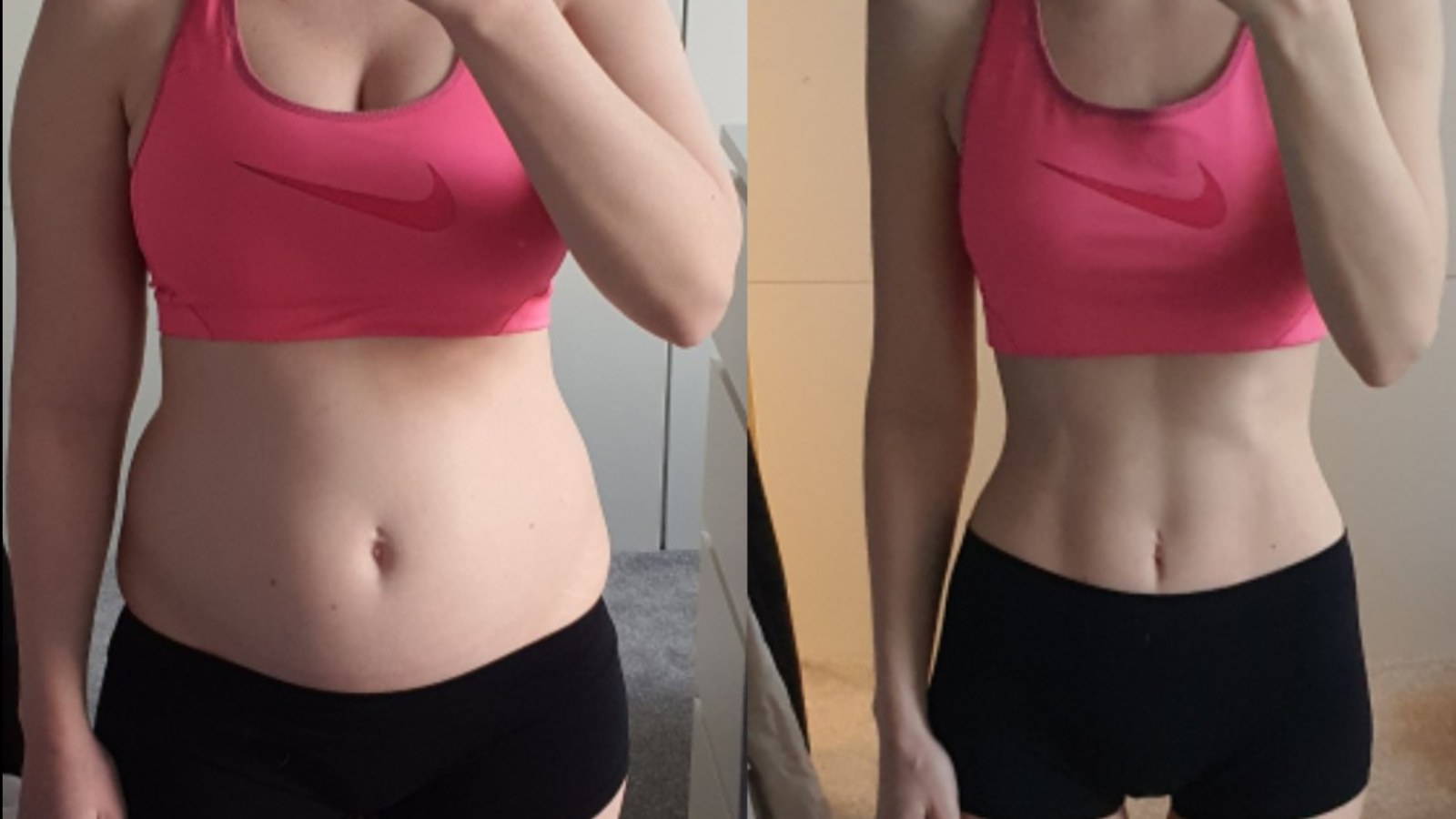
Keep track of your progress through measurements, photos, or journaling. This can provide motivation and help you stay on track.
Seek Professional Guidance
Consult with healthcare professionals or nutritionists to create a personalized plan that suits your individual needs and health conditions.
In conclusion, the time it takes to see weight loss results is influenced by various factors. It’s important to prioritize overall health, make sustainable lifestyle changes, and approach weight loss with patience. By setting realistic goals and adopting a balanced approach, individuals can achieve long-lasting results and improve their well-being. Remember, it’s not just about the destination but the journey towards a healthier and happier you.